CAMBRIDGE, Mass.--The December 1997 conference on global warming in Kyoto, Japan, was one of the most important meetings in the history of the environmental movement. After much difficulty, the conference produced an agreement that would establish legal requirements for industrialized nations regarding their emissions of greenhouse gases. The treaty has yet to be approved by Congress, and there is much debate surrounding this issue. On Tuesday, April 7 at 4:00pm, the MIT Technology and Culture Forum will host a panel discussion on "Where Are We After Kyoto?" presenting a variety of perspectives, which will include formal presentations with questions and discussion to follow. The program is free and open to the public; no registration is required.
Speakers at the event are:
HENRY JACOBY, Pounds Professor of Management, MIT Sloan School of Management, and Co-Director of the MIT Joint Program onthe Science and Policy of Global Change
RONALD PRINN, TEPCO Professor of Atmospheric Chemistry and Co-Director of the MIT Joint Program on the Science and Policy of Global Change
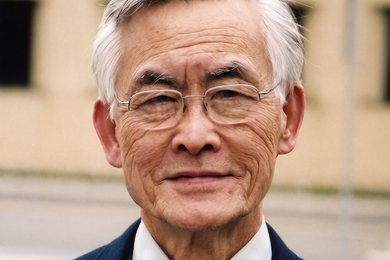
KILAPARTI RAMAKRISHNA, Director of the Program on Science in Public Affairs, Woods Hole Research Center and Special Advisor to the UN for the Kyoto Climate Treaty