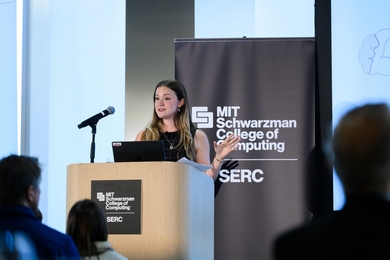
Toward a future that preserves benefits of neurotechnology for all
PhD student Rachel Sava, winner of the Envisioning the Future of Computing Prize, explores transformative improvements and dystopian risks of neural technology.
PhD student Rachel Sava, winner of the Envisioning the Future of Computing Prize, explores transformative improvements and dystopian risks of neural technology.
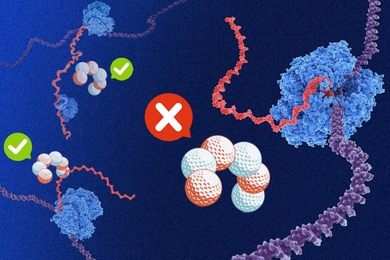
In certain species of bacteria, the answer lies in shielding RNA transcripts from a quality-control factor called Rho. Understanding the requirements for expressible sequences is critical for expression engineering of therapeutic agents.
Wyslouch remains the director of the Bates Research and Engineering Center and will continue research on heavy ion collisions.
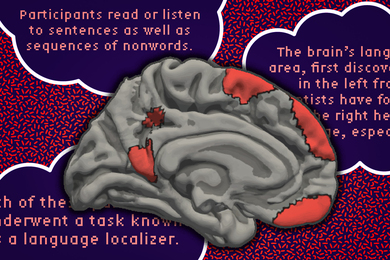
A new study reveals that parts of the brain located far from the canonical language-processing centers are also involved in language comprehension.

Using modern tools, they also determined that carbon tetrachloride, used as a dry-cleaning and degreasing agent as early as the 1930s, was at the root of early ozone loss.
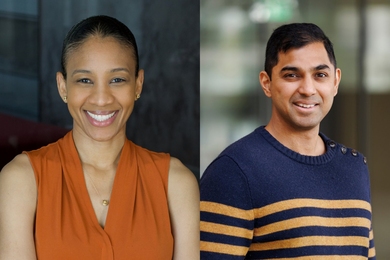
Cell biologist Whitney Henry and immunologist Harikesh Wong will receive four years of flexible funding to advance early-career research on ferroptosis and immune decision-making.
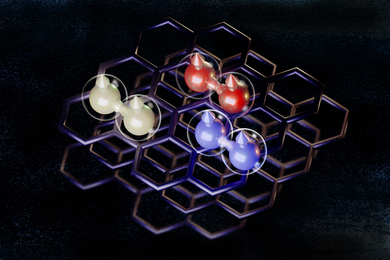
What’s more, the superconducting states get stronger under conditions expected to kill them.
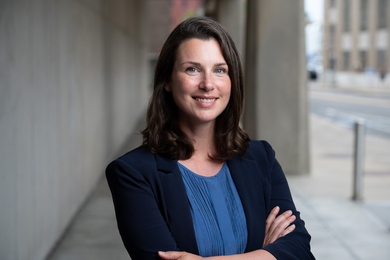
By analyzing X-ray reverberations and other astrophysical data, Erin Kara seeks to understand the most extreme objects in the universe.
“Scientific American” showcases the history and future of America’s scientific engine, highlighting promising young scientists and icons at MIT and beyond.

Enjoy these recent titles from Institute faculty and staff.
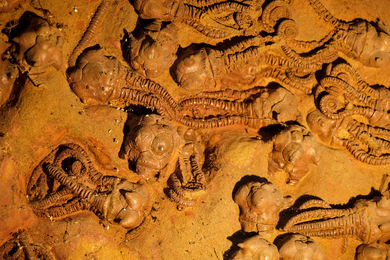
A new model links Earth’s mass extinctions to mismatches between rates of environmental change and biological adaptation.
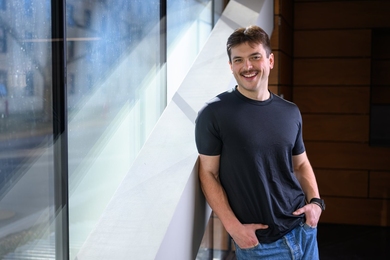
Fourth-year PhD candidate Perrin Davidson studies the carbon cycle to understand how the planet responds to global disturbances.
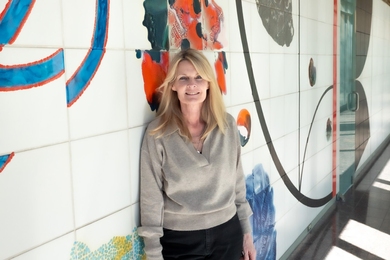
Karen O’Leary, lab associate and acting supervisor in the Glassware Sterilization Facility (a.k.a. “the kitchen”), has become a cornerstone of the department’s operations.
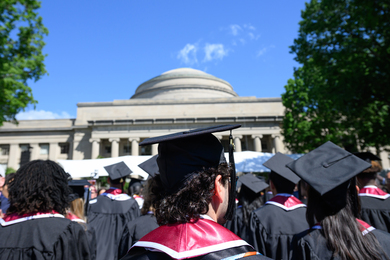
Ranking at the top for the 15th year in a row, the Institute also places first in 12 subject areas.
The MIT professor’s groundbreaking work on atmospheric chemistry helped lay steps towards recovery of the ozone layer and demonstrated the lasting impacts of carbon emissions on Earth’s climate.