Poitras Center to fuel early careers of 50 young scientists dedicated to psychiatric disorders research
Patricia and James Poitras ’63 provide fellowships for graduate students and postdocs who will shape the future of mental health research.
Patricia and James Poitras ’63 provide fellowships for graduate students and postdocs who will shape the future of mental health research.
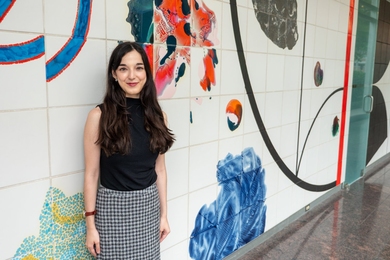
This summer, BSG-MSRP-Bio student Marina Milea investigated how lung cancers become resistant to targeted therapies, gaining hands-on research experience in the Jacks Lab at the Koch Institute.
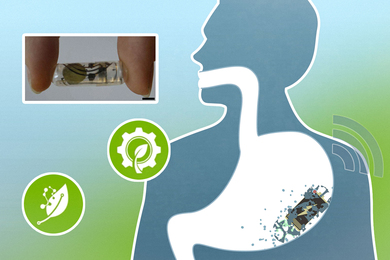
Made from “bioresorbable” materials, the new batteries could power capsules for drug delivery, sensing, and other applications.
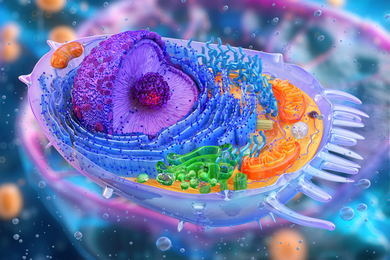
Tracking down senescent cells, which accumulate as we age, could help diagnose age-related disorders and guide researchers working on new treatments.

The Climate Grand Challenges “New World of Weather” project shows how modeling, planning tools, and infrastructure analysis are translating research into real-world resilience.
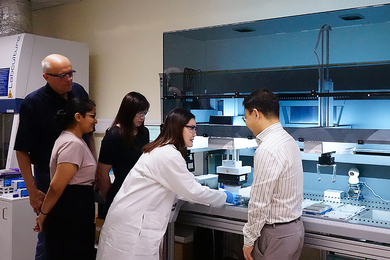
Novel research expands scientific understanding of how RNA shapes the reading of genetic information.
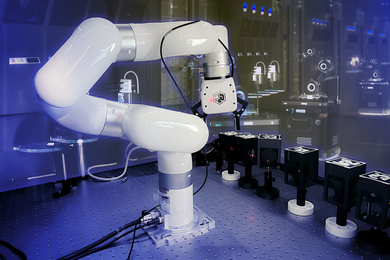
The autonomous system could speed up testing of high-tech materials for applications such as solar cells, sensors, video displays, and quantum technologies.
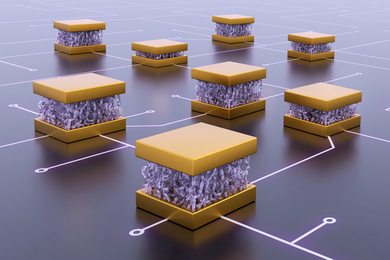
A new device uses reconfigurable motion to mimic the firing behavior of a neuron, which could lead to more efficient computing.
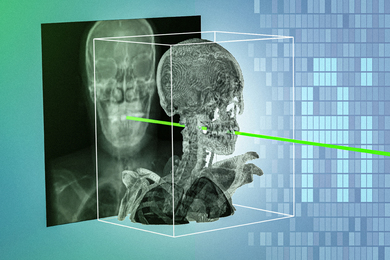
This patient-specific method, called xvr, helps doctors use X-rays for surgical navigation in fields such as orthopedics and neurosurgery.

Researchers reveal how communities of marine bacteria divide the task of degrading fucoidan, a key player in ocean carbon storage.

The “HardFlow” algorithm could help generative AI models produce high-quality outputs that obey strict requirements when “pretty close” doesn’t cut it.
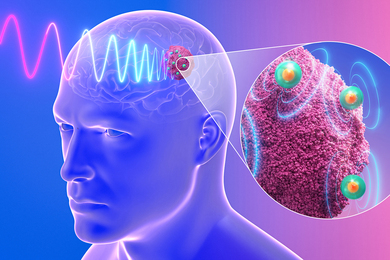
MIT researchers show implanted nanoantennas can be activated wirelessly to kill brain cancer cells without damage to healthy tissue.
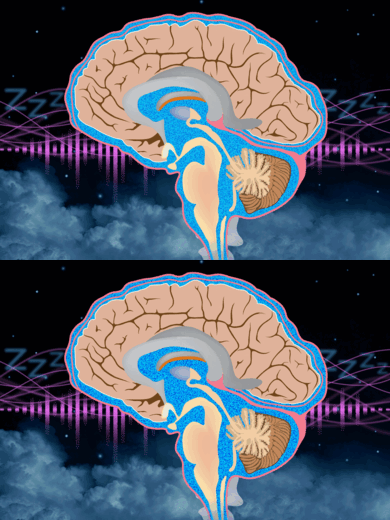
Delivered at just the right time, this type of auditory stimulus can strengthen the flow of cerebrospinal fluid, which clears debris from the brain and keeps it healthy.
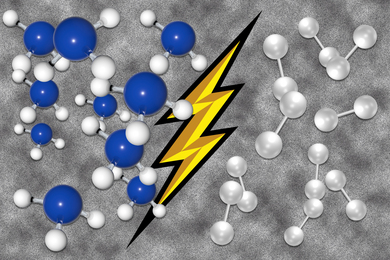
An MIT team has demonstrated a more efficient way to extract pure hydrogen gas from hydrogen carrier molecules.

In some regions of the world, the poorest people may spend about 50 percent of their income on food, while the richest spend about 5 percent.