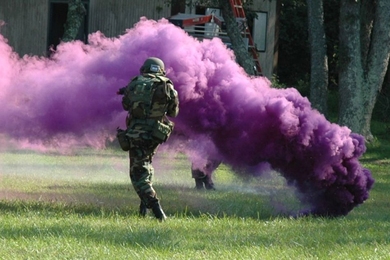
AI-based method could speed development of specialized nanoparticles
Neural network could expedite complex physics simulations.
Neural network could expedite complex physics simulations.
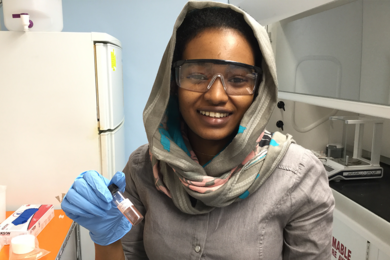
Jaramillo lab launches a summer program to broaden the horizons of local students interested in materials science and engineering.
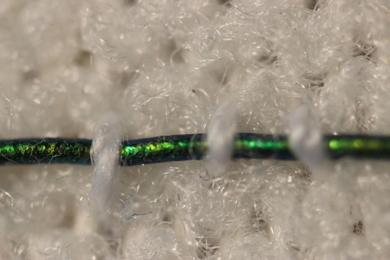
Bandage is threaded with photonic fibers that change color to signal pressure level.
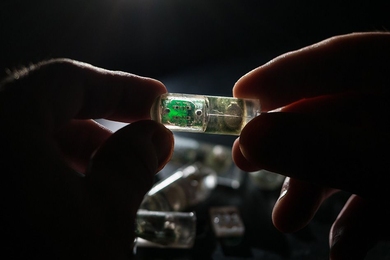
Ultra-low-power sensors carrying genetically engineered bacteria can detect gastric bleeding.
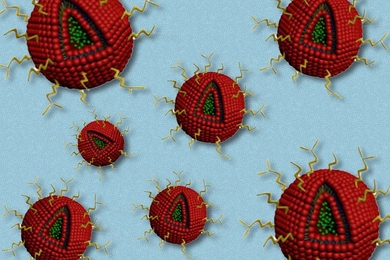
Nanoparticles carrying two drugs can cross the blood-brain barrier and shrink glioblastoma tumors.

Study tracks eye movement to determine how well people understand English as a foreign language.
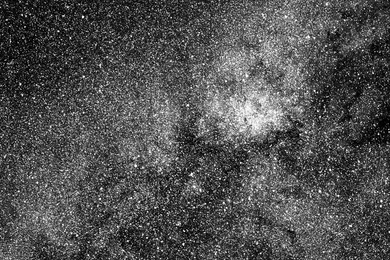
Exoplanet-seeking satellite developed by MIT swings by moon toward final orbit.
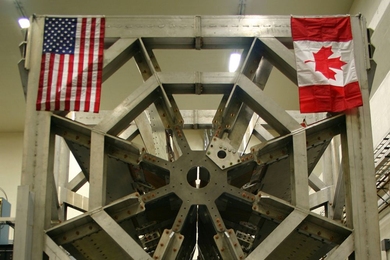
Research from the Qweak experiment provides a precision measurement of the proton’s weak charge. narrows the search for new physics.
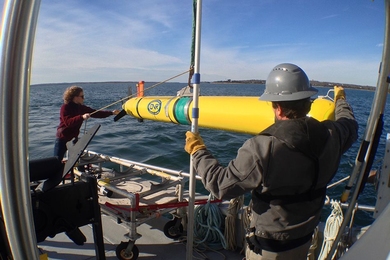
New principled approach helps autonomous underwater vehicles explore the ocean in an intelligent, energy-efficient manner.
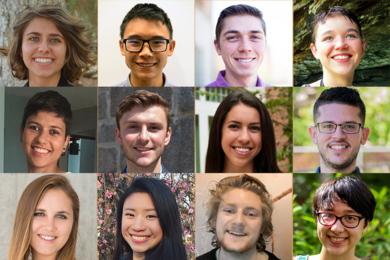
Undergraduates from around the U.S. seek life-enriching experiences through MIT Materials Research Laboratory science and engineering internships.

Study finds reducing biomass burning is not enough to significantly improve air quality in Southeast Asia.
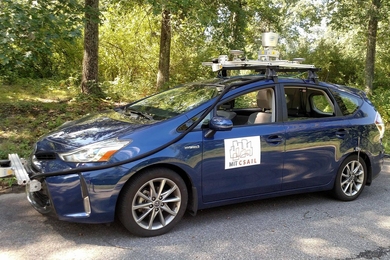
Today’s autonomous vehicles require hand-labeled 3-D maps, but CSAIL’s MapLite system enables navigation with just GPS and sensors.
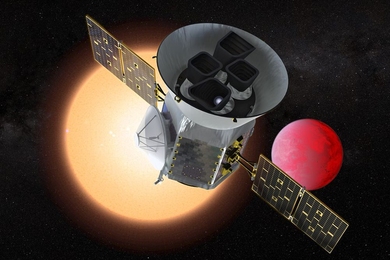
Professor Sara Seager previews a new era of discovery as a leader of the TESS mission, which is expected to find some 20,000 extrasolar planets.

MIT analysis shows when and where advanced photovoltaics would be economic to install.