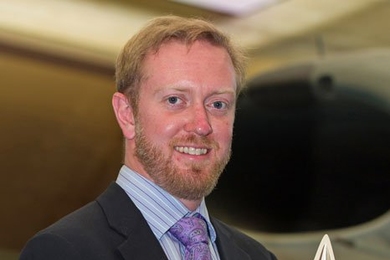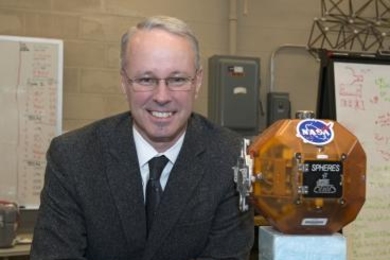
AeroAstro professor David Miller named NASA’s chief technologist
Miller will serve as NASA’s principal advisor and advocate on technology policy and programs.
Miller will serve as NASA’s principal advisor and advocate on technology policy and programs.
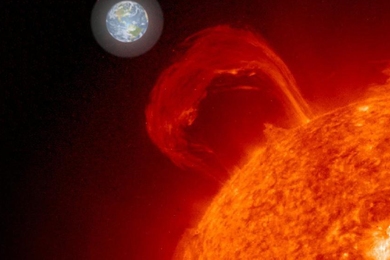
MIT scientists identify a plasma plume that naturally protects the Earth against solar storms.
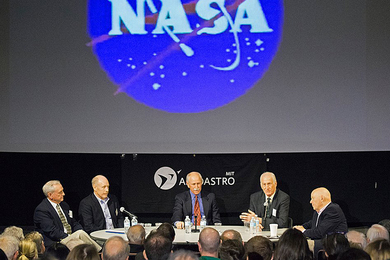
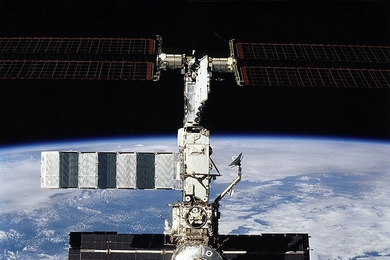
NASA crewmembers reflect on the most complex space repair in history.
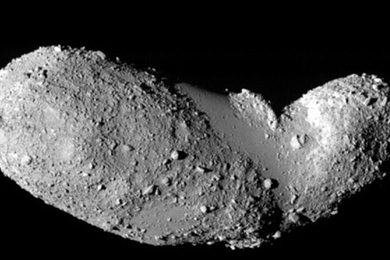
The largest asteroid is 12 miles in diameter, but poses little immediate threat to Earth.
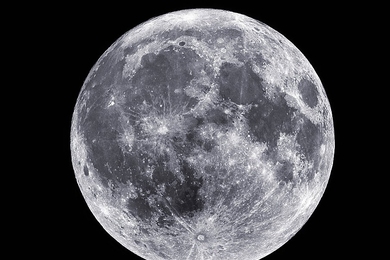
Researchers find that huge craters on the near side of the moon may overstate the intensity of asteroid impacts about 4.1 billion years ago.
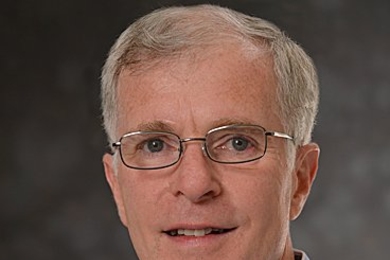
Lincoln Laboratory efforts could enable the space agency to significantly change the scope and design of future scientific space missions.
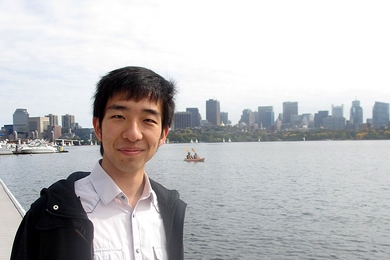
Alum of MIT middle and high school programs returns to begin doctorate program in aerospace engineering
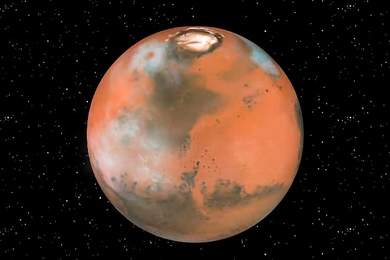
Cloud-chamber experiments show that clouds on Mars form in much more humid conditions than clouds on Earth.
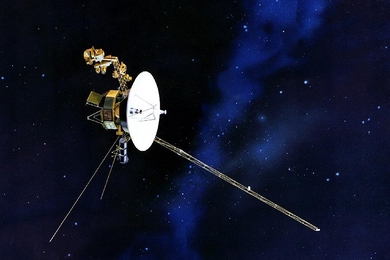
Beyond the solar system, a probe launched in 1977 is likely to find a cold, dense sea of cosmic rays.
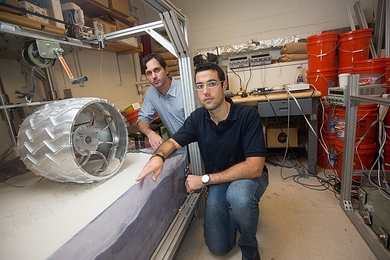
Simulations predict safest path for rovers to travel.
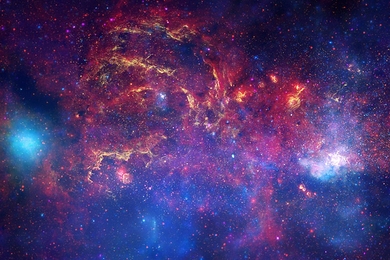
Researchers find material ejects itself before black hole can devour it.
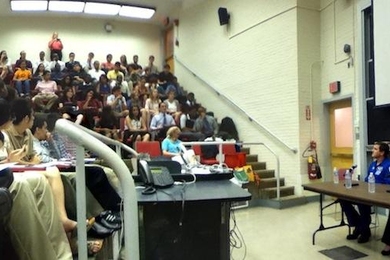
Participants in Minority Introduction to Engineering and Science, Women's Technology Program, and Interphase Edge hear insiders' perspective on the Orion Multi-Purpose Crew Vehicle