A twist on planetary origins
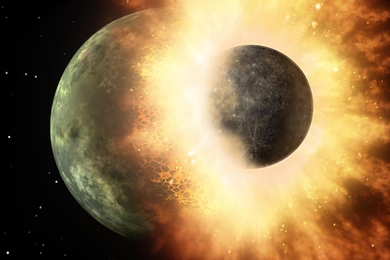
New study finds meteorites were byproducts of planetary formation, not building blocks.
New study finds meteorites were byproducts of planetary formation, not building blocks.
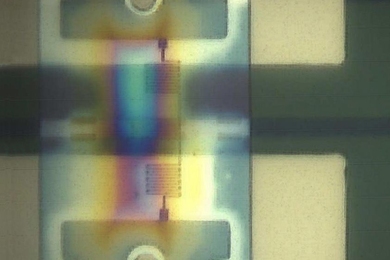
Packing single-photon detectors on an optical chip is a crucial step toward quantum-computational circuits.
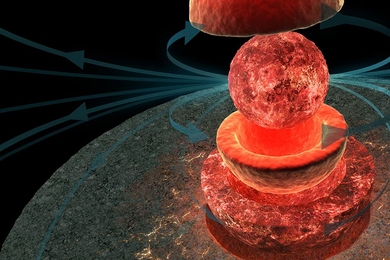
The moon’s molten, churning core likely once generated a dynamo.
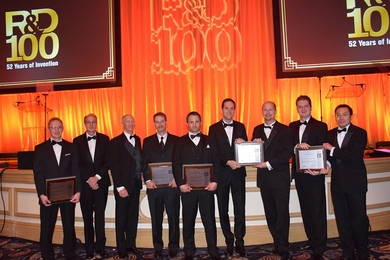
System developed by Lincoln Laboratory and NASA Goddard Space Flight Center is named one of 2014's most influential technologies.
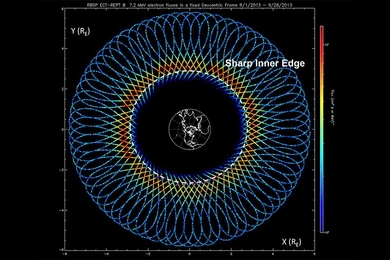
Researchers find that Earth’s “plasmaspheric hiss” protects against a harmful radiation belt.
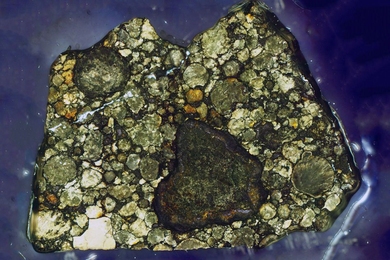
New study finds that a strong magnetic field whipped the early solar system into shape.
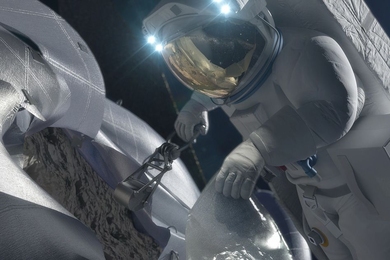
Better options available in thousands of near-Earth asteroids, expert says.
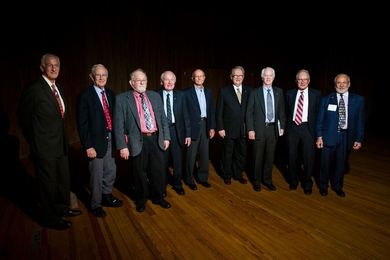
Nine astronaut alumni and Elon Musk join in celebrating department’s centennial.

President Obama asks AeroAstro professor to take space agency’s No. 2 leadership spot.
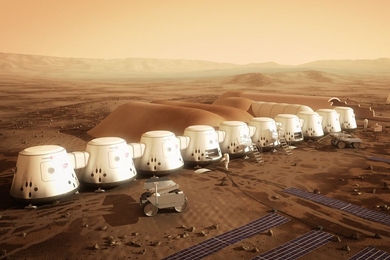
MIT team independently assesses the technical feasibility of the proposed Mars One mission.
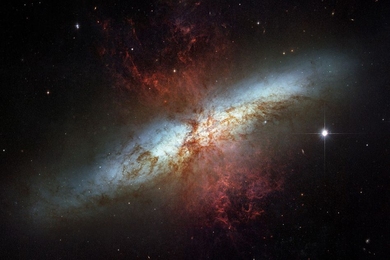
The pulsar, about as large as the city of Boston, is 10 million times brighter than the sun.
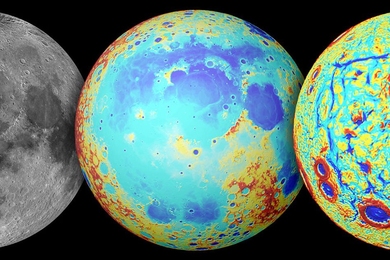
MIT researchers find that a volcanic plume, not an asteroid, likely created the moon’s largest basin.
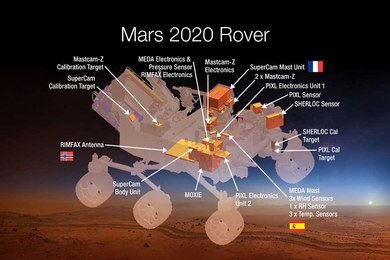
An MIT oxygen-creating instrument has been selected to fly on the upcoming Mars 2020 mission.