
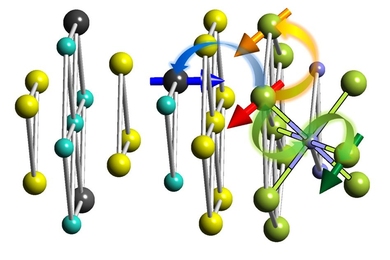
Unusual magnetic behavior observed at a material interface
Findings could lead to a building block for future quantum computers, and a research tool for physics.

Thumbnail track pad
Unobtrusive wearable sensor could operate digital devices or augment other device interfaces.

Lemelson-MIT InvenTeam students participate in White House Science Fair
High-school students from two Lemelson-MIT InvenTeams showcased their invention projects for President Obama at the 2015 White House Science Fair.
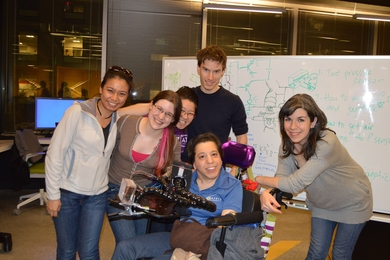
Beaver Works hosts Assistive Technologies Hackathon
MIT students hack away at problems faced by local community members living with disabilities.

Inventing “civilization 2.0”
Conference explores how wearables and other technologies are changing how we connect and conduct business.
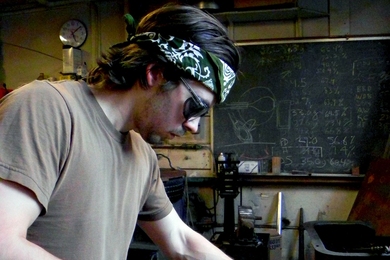
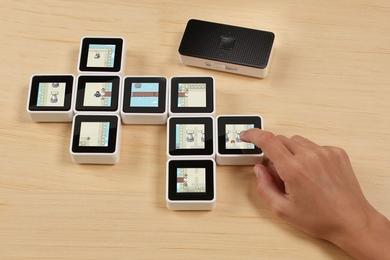
Consumer-friendly makers
Media Lab alumni’s success with “smart” gaming blocks led to an acquisition deal to make consumer drones.

Diamonds could help bring proteins into focus
New technique could use tiny diamond defects to reveal unprecedented detail of molecular structures.

Products of progress
From bike-mounted maize shellers to solar lamps, startup brings more efficient tools to rural Tanzania.
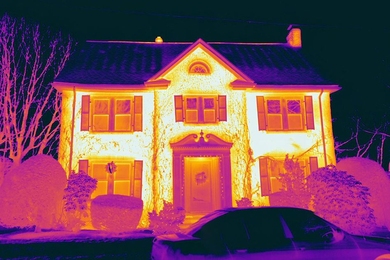
Drive-by heat mapping
Startup’s thermal-imaging cars can quickly track energy leaks in thousands of homes and buildings.
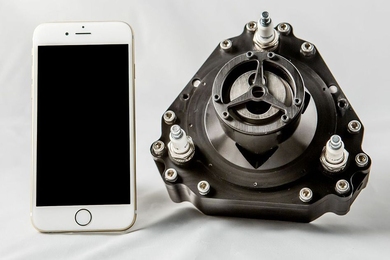
Small engine packs a punch
Startup’s rotary engine, based on novel thermodynamics, is lighter, quieter, more efficient than counterparts.
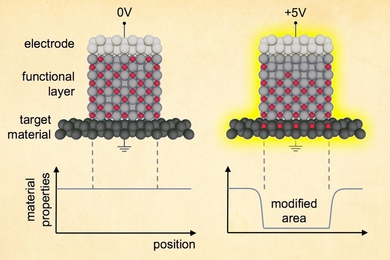
Controlling a material with voltage
Technique could let a small electrical signal change materials’ electrical, thermal, and optical characteristics.
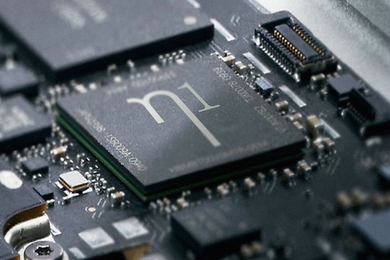
Beating battery drain
Startup’s power-conserving chip may increase smartphone battery life, save energy in cell towers.
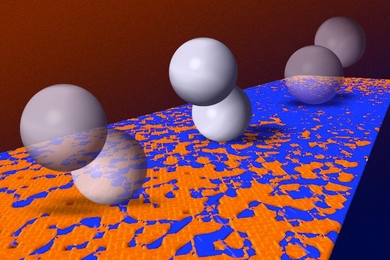
Microscopic “walkers” find their way across cell surfaces
Technology could provide a way to deliver probes or drugs to cell structures without outside guidance.