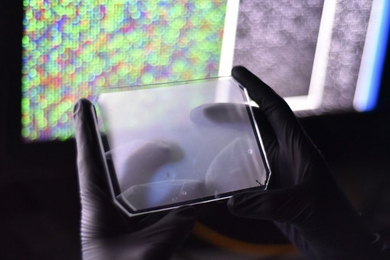
CRISPR-based diagnostic chips perform thousands of tests simultaneously to detect viruses
Diagnostic platform CARMEN combines microfluidics with CRISPR-based detection technology SHERLOCK, and could one day be used for public health efforts.
Diagnostic platform CARMEN combines microfluidics with CRISPR-based detection technology SHERLOCK, and could one day be used for public health efforts.
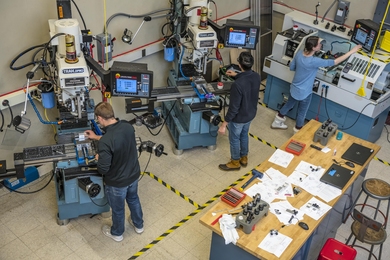
Report finds that higher education institutions can play a significant role in reforming workforce education.
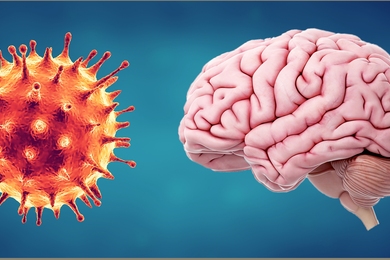
Picower Institute researchers are embarking on experiments to learn the mechanisms by which coronavirus might affect mental health.

Mathematician and CEO of web services company Akamai looks ahead to how the pandemic-driven shift to remote working might change society.
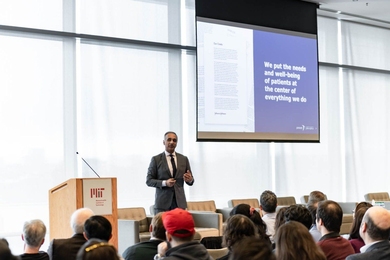
Inaugural AI Powered Drug Discovery and Manufacturing Conference drew pharmaceutical companies, government regulators, and pioneering drug researchers.

At MIT’s Starr Forum, experts consider whether the coronavirus crisis might lead to a rethinking of defense strategies.
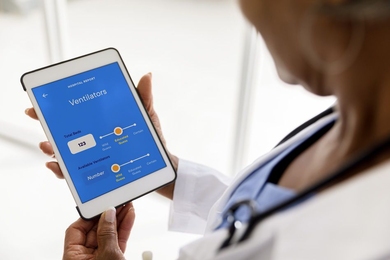
Based on crowdsourced data, app helps patients, EMTs, and physicians determine real-time availability of hospital resources.
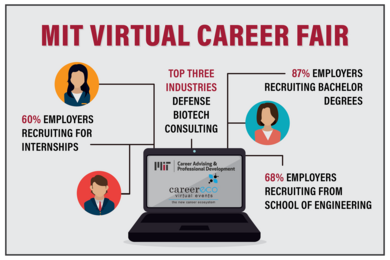
Career Advising and Professional Development's virtual event attracted 57 employer organizations and 472 MIT student and alumni participants.
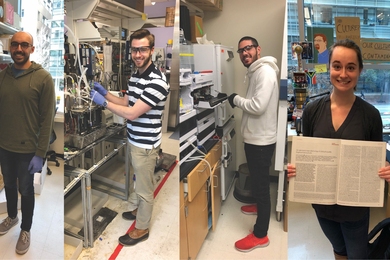
Manufacturability is key to producing a widely available, affordable vaccine.
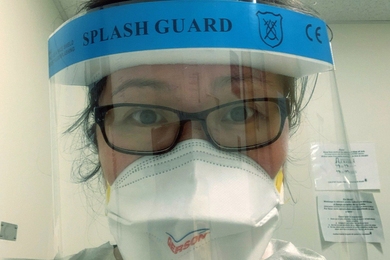
Neurologist and researcher Diane Chan pitches in to help New England get through tough times.
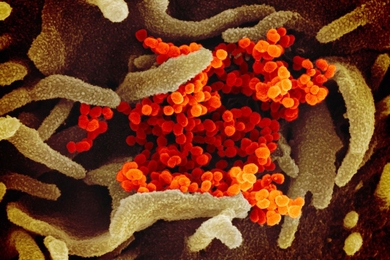
Study finds specific cells in the lungs, nasal passages, and intestines that are more susceptible to infection.

“Every emergency reveals that ‘impossible’ things are actually doable,” President Rafael Reif writes in Boston Globe op-ed.
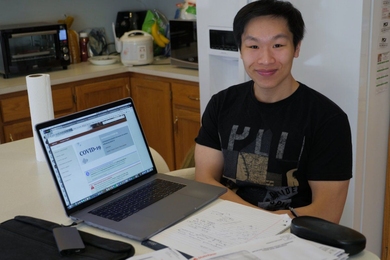
MIT senior helps his immigrant family address medical matters while balancing his school work.
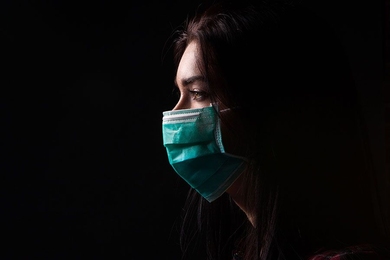
Survey from the Saxe Lab aims to measure the toll of social isolation during the Covid-19 pandemic.
