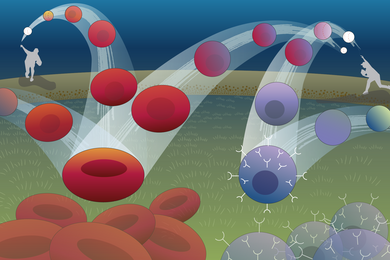
New computational tool predicts cell fates and genetic perturbations
The technique can help predict a cell’s path over time, such as what type of cell it will become.
The technique can help predict a cell’s path over time, such as what type of cell it will become.
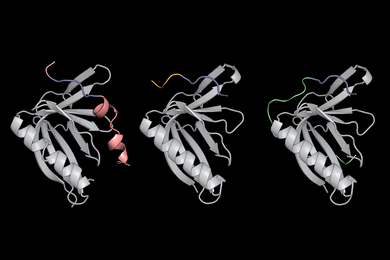
MIT biologists drilled down into how proteins recognize and bind to one another, informing drug treatments for cancer.

The findings could inform the design of new materials such as iridescent windows or waterproof textiles.
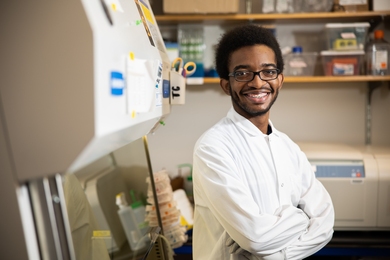
Senior Desmond Edwards has an insatiable curiosity about how the human body works — and how diseases stop it from working.
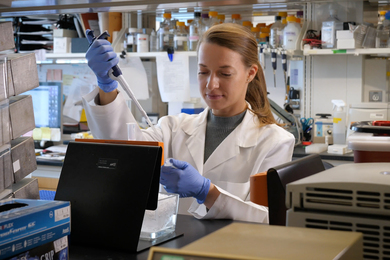
MIT biologists show that enlargement of blood stem cells restricts their ability to generate new blood cells during aging.
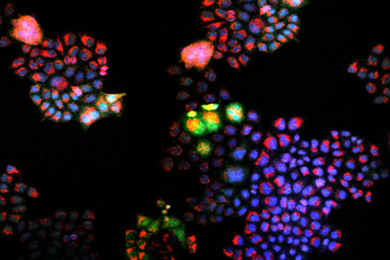
A screening method developed by MIT researchers targets hydrogen peroxide in the search for new cancer therapeutics.
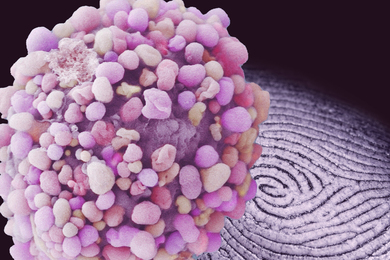
The method could be a route to quicker, less invasive cancer diagnoses.
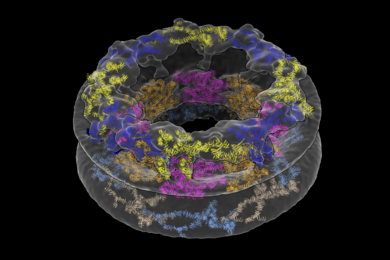
Researchers glean a more complete picture of a structure called the nuclear pore complex by studying it directly inside cells.
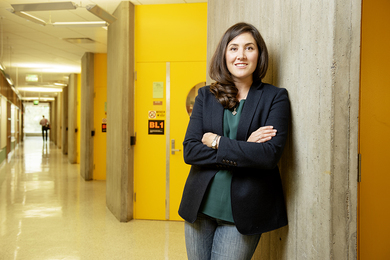
Using a combination of stem cell biology, systems biology, synthetic biology, and chromatin engineering, the Galloway lab will define the molecular regulatory rules of cell-fate transitions.

Kytopen is speeding up both discovery and delivery of engineered cell therapies with its transformative Flowfect platforms.
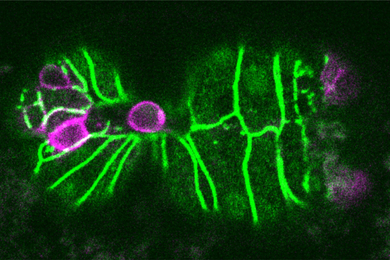
Study suggests this process for eliminating unneeded cells may also protect against cancer.
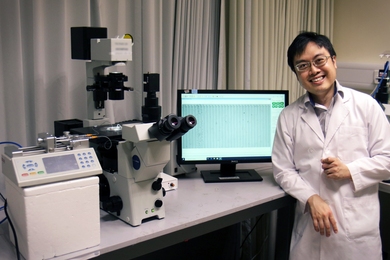
Deterministic lateral displacement assay can rapidly assess host inflammatory response, identifying a potentially life-threatening hyper-aggressive immune response.
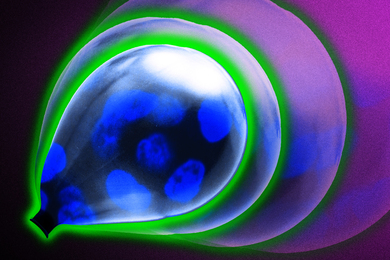
Tough as plastic wrap but elastic like a balloon, the lining could be a target for therapies to limit cancer cells from spreading.
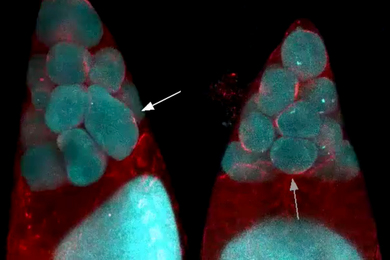
Oocyte growth relies on physical phenomena that drive smaller cells to dump their contents into a larger cell.

A new computational approach for analyzing complex datasets shows that as disease progresses, neurons and astrocytes lose the ability to maintain homeostasis.