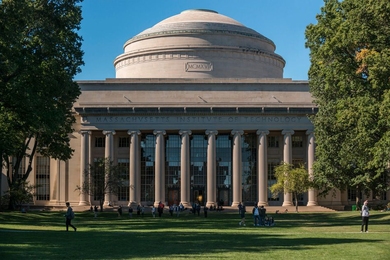
Institute launches the MIT Intelligence Quest
New Institute-wide initiative will advance human and machine intelligence research.
New Institute-wide initiative will advance human and machine intelligence research.
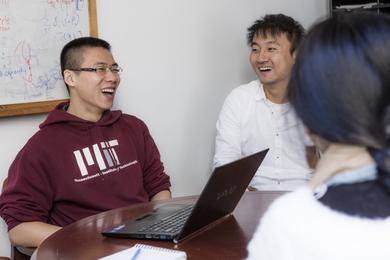
Graduate student Tianli Zhou works to make transportation systems more efficient.
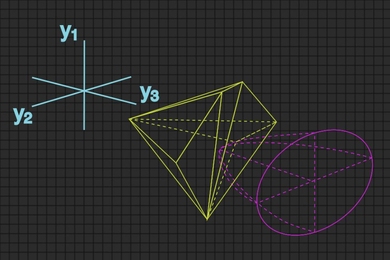
Theoretical study shows how to make wireless localization much more accurate.
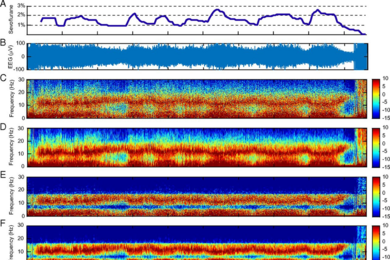

Platform analyzes big data to answer plain-language business queries in minutes instead of months.
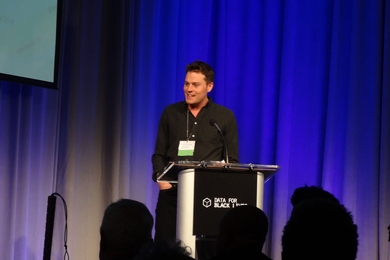
Math graduate student’s Data for Black Lives conference provides numbers behind the technologies that enable exclusion.
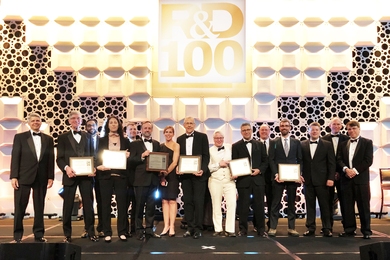
Technologies named among the year's most significant innovations address health care, radar performance, aircraft collision avoidance, and 24-hour wide-area surveillance.

Improved recommendation algorithm should work especially well when ratings data are “sparse.”
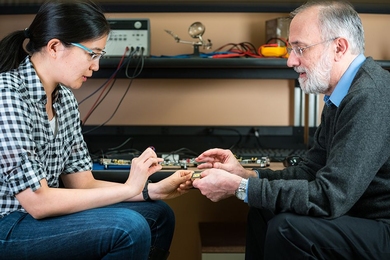
Class taught by Vivienne Sze and Joel Emer brings together traditionally separate disciplines for advances in deep learning.

New technique manipulates atoms into antiferromagnetic state.
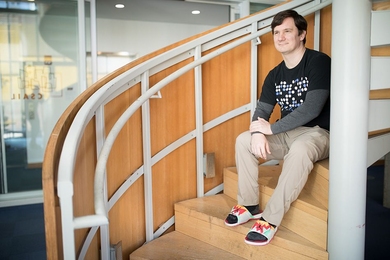
Ryan Williams has taken a key step toward solving the biggest problem in theoretical computer science.

MIT team develops software that can tell if tires need air, spark plugs are bad, or air filter needs replacing.
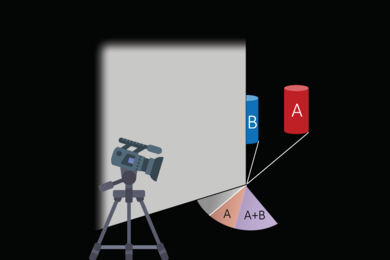
Using smartphone cameras, system for seeing around corners could help with self-driving cars and search-and-rescue.
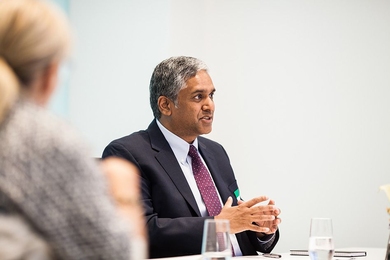
Lab seeks to expand the boundaries of research on artificial intelligence.
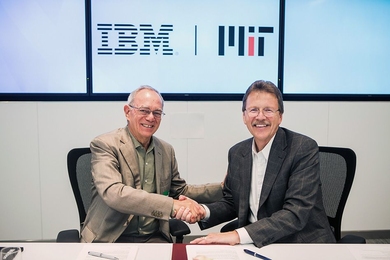
IBM plans to make a 10-year, $240 million investment in new lab with MIT to advance AI hardware, software, and algorithms.