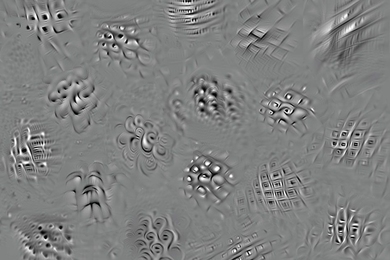
Putting vision models to the test
Study shows that artificial neural networks can be used to drive brain activity.
Study shows that artificial neural networks can be used to drive brain activity.

Mutation in disease model flies undermines maintenance of key ion balance.

Findings reported just weeks into the network’s latest operating run. (Press release)
“We will keep listening for these faint and remote cosmic whispers,” says the physics professor.

Experiments and analyses show how electrons and protons get together on an electrode surface.

Data-sampling method makes “sketches” of unwieldy biological datasets while still capturing the full diversity of cell types.

Faculty members Edward Boyden, Paula Hammond, and Aviv Regev recognized for “distinguished and continuing achievements in original research.”
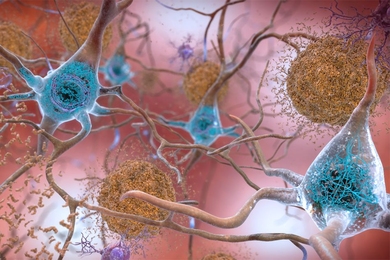
Analysis of genes altered by the disease could provide targets for new treatments.
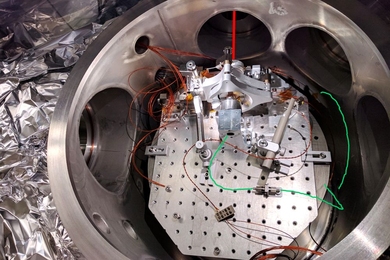
Research could enable a new suite of experiments to measure quantum activity at room temperature.

“I’m all about finding connections,” says senior Stephon Henry-Rerrie about his path from engineering to the financial sector.

Company announces $25 million, five-year collaboration.

Gifts to MIT and Harvard Medical School totaling $9 million will fund independent research on cannabinoid’s influence on brain health and behavior.

Eight biology contestants get one slide and three minutes to explain their research and impress their listeners.
The DiCarlo lab finds that a recurrent architecture helps both artificial intelligence and our brains to better identify objects.

Students are increasingly embarking on multiple study abroad opportunities, finding that one experience opens the door to others.