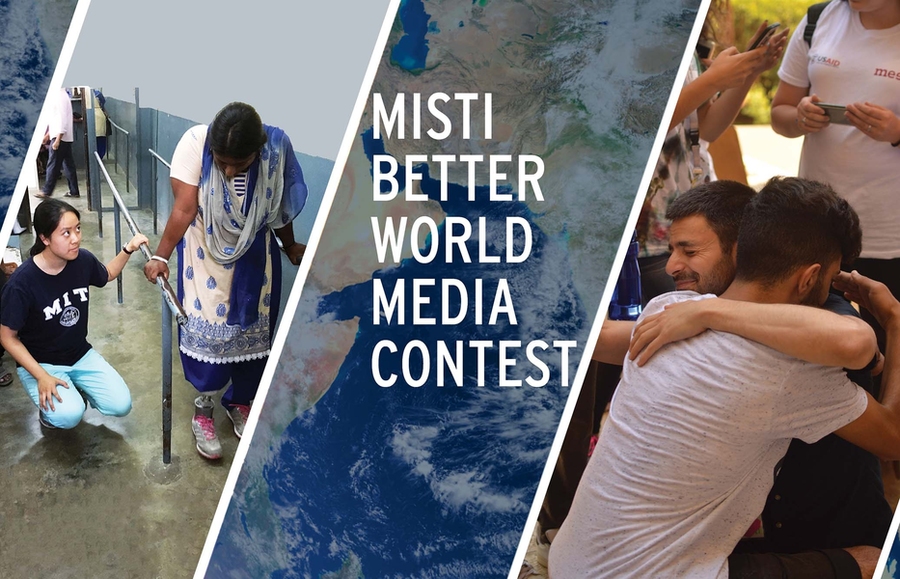
MIT International Science and Technology Initiatives (MISTI) — MIT’s pioneering international education program — asked the 700-plus students who studied and worked abroad this summer to submit photos and short videos showcasing the ways in which MIT is making the world a better place through the MISTI program.
From Chile to China, current MISTI students submitted one-minute videos and photographs focusing on their international projects and their experiences with different cultures. MISTI announced the contest winners via social media in the midst of its yearly information sessions. Video winners received $300 and photo winners received $50. MISTI received 25 video submissions and over 125 photographs this summer.
Winning videos:
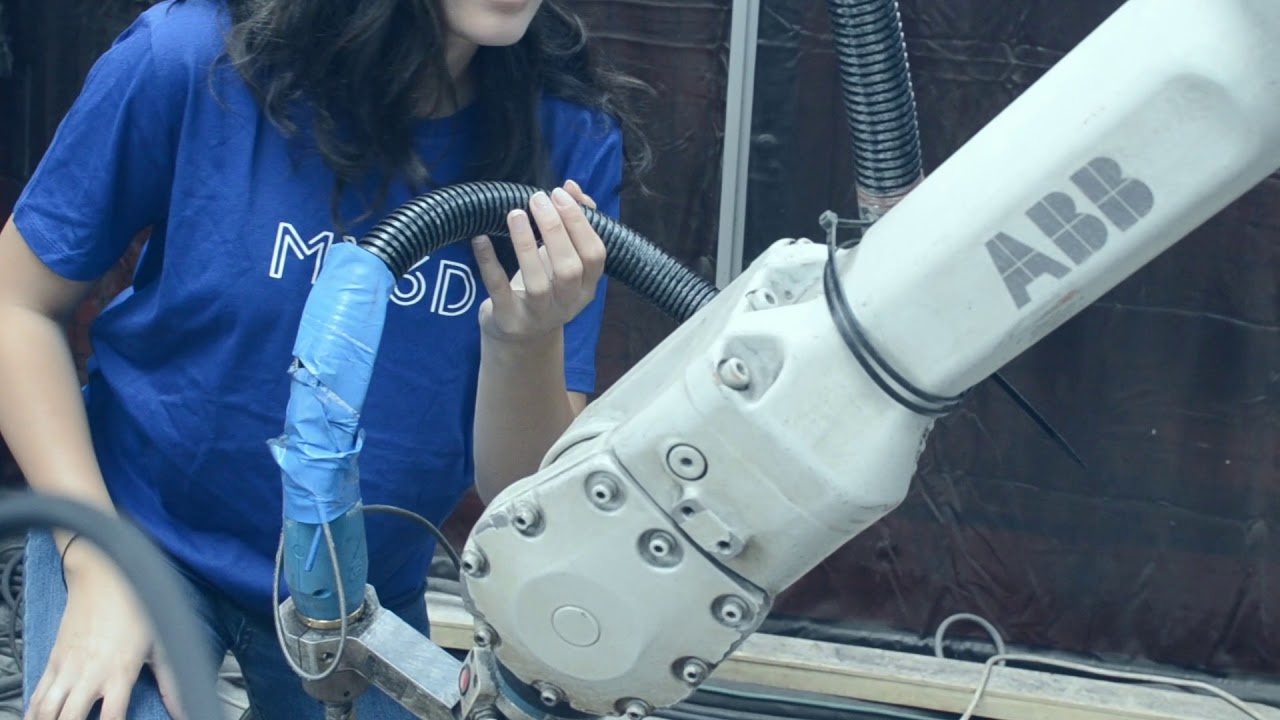
MIT-Netherlands Better World Story: Yara Azouni
At MX3D, Yara Azoni, now a senior in mechanical engineering, worked on the first 3-D-printed steel bridge in the world. The bridge will be "intelligent" with a smart sensor network to monitor the structure's health in response to environmental changes.
MIT-India Better World Story: Wan Chantavilasvong
Chantavilasvong, a master's in city planning candidate, interned with the Aga Khan Agency for Habitat (AKAH) under the Aga Khan Development Network to address the increasing threats to rural towns posed by natural disasters and climate change.
Winning photos:
Prosthetics in India (top left): Max Freitas and his D-Lab project partner Hope Chen (both juniors in biological engineering) developed and field tested prosthetics with Rise Legs through MIT-India.
Entrepreneurship in Jerusalem (top right): Dou Dou '17 brought over 80 Israeli and Palestinian high school students together by teaching them computer science and entrepreneurship through MIT-MEET (Middle East Entrepreneurs of Tomorrow).
For today's graduates of MIT, the ability to connect with, learn from and collaborate with people from different countries is essential. Interning, researching and teaching in over 30 countries around the world, MISTI students develop these practical intercultural skills working alongside international colleagues. An embodiment of MIT's "mens-et-manus" ("mind-and-hand") learning culture, MISTI provides students professional opportunities to take their education abroad and apply it to real world problems.
Each year, MISTI — a program of the MIT School of Humanities, Arts, and Social Sciences within the Center for International Studies — matches nearly 1,000 students with internship, teaching, and research opportunities in leading labs, companies, and schools around the world. At graduation, MISTI students report a higher level of self-confidence and an improved ability to adapt to new situations and to communicate effectively with international peers.
Are you an MIT undergrad or graduate student? Get involved early by reviewing student opportunities and requirements; reading more about MISTI students abroad; and attending MISTI country-specific info sessions this fall.