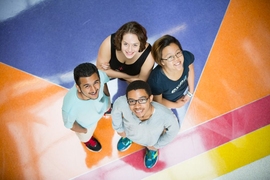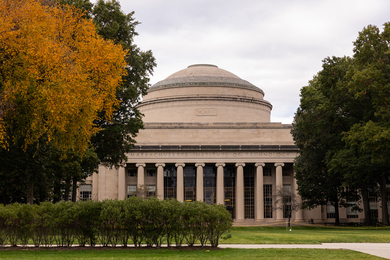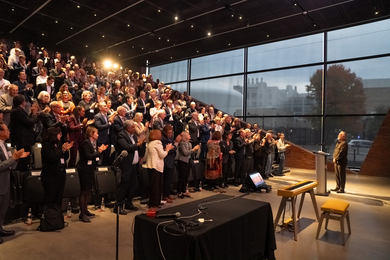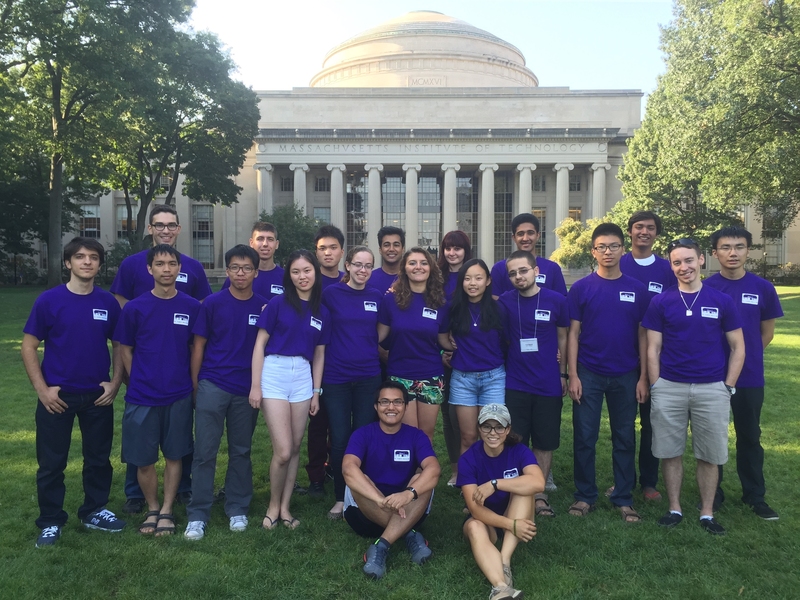


MIT’s transfer students form a special and unique community on campus. Each year, MIT Admissions accepts approximately 25 applicants from colleges and universities around the world. The fall 2015 cohort is comprised of 19 talented students from schools such as Bunker Hill Community College, Taras Shevchenko National University of Kyiv, the University of Rochester, Cornell University, and Peking University.
In addition to their diverse college backgrounds, transfer students bring a wealth of talents, life experiences, and academic promise. These students have included Math Olympiads participants, first-generation students, a Goldwater Scholar, and a recipient of the Oberndorf Lifeline to Completion Scholarship.
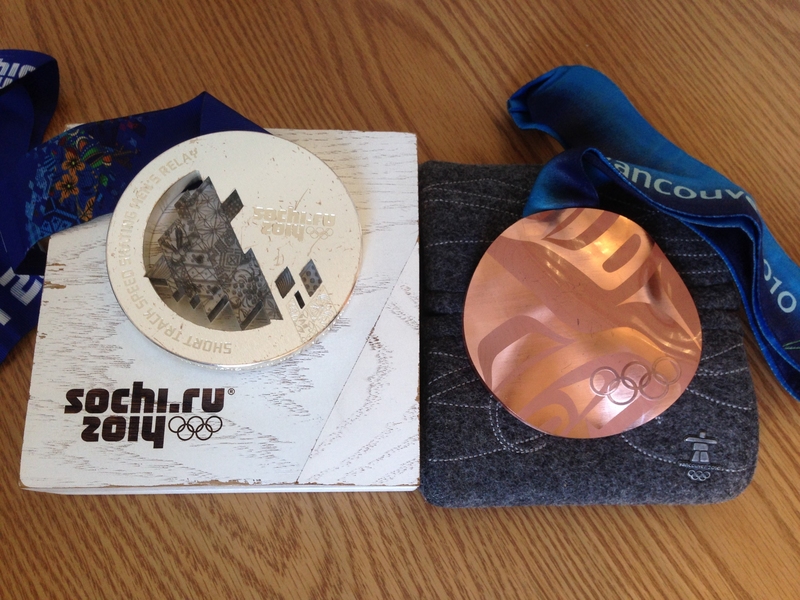
One of MIT's star transfer students this year is Jordan Malone, a two-time Olympic medalist in the sport of short track speed skating. Malone had engineering dreams before he had Olympic ones. Even as a 5-year-old avid LEGO builder, he says, he was “sold” on becoming an engineer and would eventually aspire to attend MIT. But with an expiration date on his athletic career, he chose to pursue his Olympic dreams first. “I didn’t want to be a good student and a good athlete, but a great student and a great athlete,” Malone says. He put his education on hold to compete in the Olympics.
A native of Denton, Texas, Malone is the only child of a single mom. He is flat-footed and has to contend with asthma, ADHD, and dyslexia. So he’s is not unfamiliar with adversity, rigor, and commitment, all of which he recognizes are part and parcel of an MIT education. “My past entitles me to nothing, but it proves that I'm relentless in the pursuit of a dream,” Malone says. At 30 years old, he has put down his skates and picked up his books in pursuit of a degree in mechanical engineering. But Malone doesn’t consider being admitted to MIT as having reached his goal; graduation is the real finish line.
Getting to the finish line poses a slightly different challenge for MIT transfer students than for other undergraduates. Although they participate in freshman orientation and have a home in an academic department, it does take time for them to carve out their place at the Institute. Some have expressed the experience of starting at MIT in this way: “I am not a freshman, yet I don’t really feel like an upperclassman.” But that unique shared identity is one reason transfer students continue to foster a close-knit community — long after they first set foot on campus.
To learn more about transferring to MIT, visit the MIT Admissions website.