
Artificial reef designed by MIT engineers could protect marine life, reduce storm damage
The sustainable and cost-saving structure could dissipate more than 95 percent of incoming wave energy using a small fraction of the material normally needed.
The sustainable and cost-saving structure could dissipate more than 95 percent of incoming wave energy using a small fraction of the material normally needed.
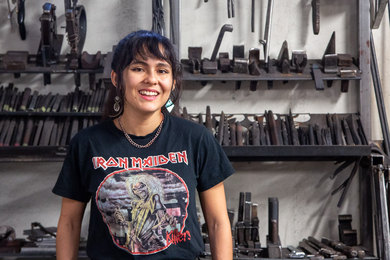
By blending mechanical engineering, creative writing, and history studies, senior Amber Velez is discovering new ways of addressing climate change.
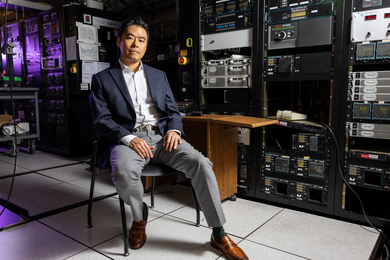
Associate Professor Jeehwan Kim is exploring systems that could take over where silicon leaves off.
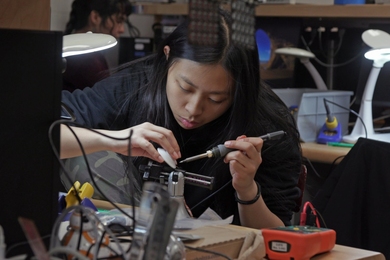
In class 2.679 (Electronics for Mechanical Systems II) a hands-on approach provides the skills engineers use to create and solve problems.

In field tests, MIT spinoff AgZen demonstrated that its feedback-optimized spraying system could halve the pesticide needs of farms and improve crop yields.
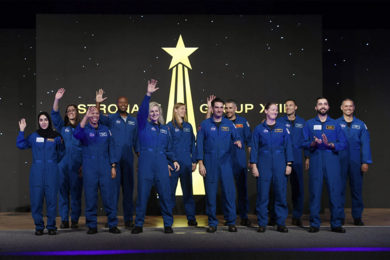
Marcos Berríos ’06, Christina Birch PhD ’15, and Christopher Williams PhD ’12, now eligible for spaceflight assignments, encourage MIT students to apply for the next astronaut class.

Using a machine-learning algorithm, researchers can predict interactions that could interfere with a drug’s effectiveness.

The team used machine learning to analyze satellite and roadside images of areas where small farms predominate and agricultural data are sparse.
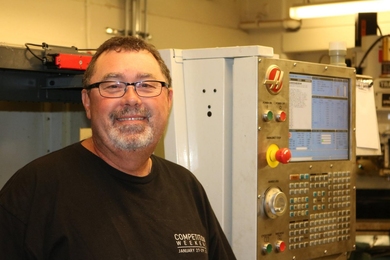
The MIT Edgerton Center technical instructor’s expertise and dedication enriches the student experience.
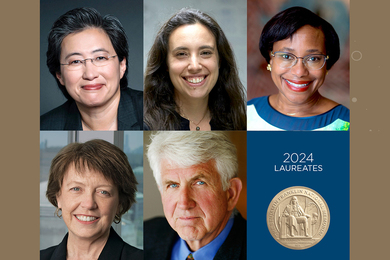
Two professors and three additional alumni recognized for “dreaming up solutions to global challenges — advancing health, sustainability, and human connection.”
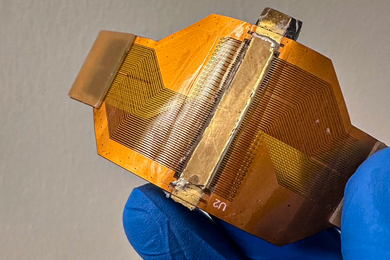
The sticky, wearable sensor could help identify early signs of acute liver failure.
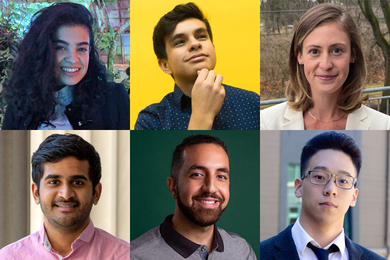
The graduate students will aim to commercialize innovations in AI, machine learning, and data science.
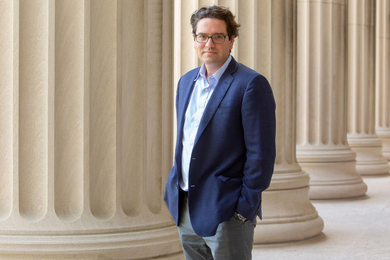
Awarded $65.67 million from ARPA-H, the researchers will work to develop ingestible capsules that deliver mRNA and electric stimuli to treat metabolic disorders such as diabetes.

Longtime professor helped develop the Department of Mechanical Engineering’s design and manufacturing curriculum, contributed to artificial joints as well as NASA inertial guidance systems.

High-speed experiments can help identify lightweight, protective “metamaterials” for spacecraft, vehicles, helmets, or other objects.