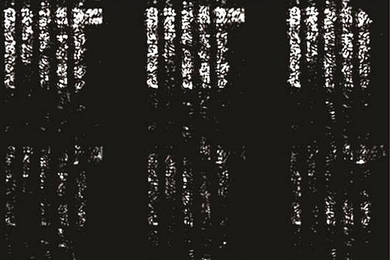
Chips that can steer light
Record-setting ‘optical phased arrays’ could lead to better laser rangefinders, smaller medical-imaging devices and even holographic TVs.
Record-setting ‘optical phased arrays’ could lead to better laser rangefinders, smaller medical-imaging devices and even holographic TVs.
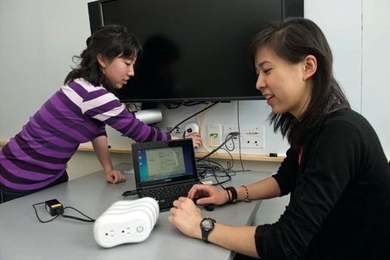

A new algorithm for message dissemination in decentralized networks is faster than its predecessors but, unlike them, guarantees delivery.
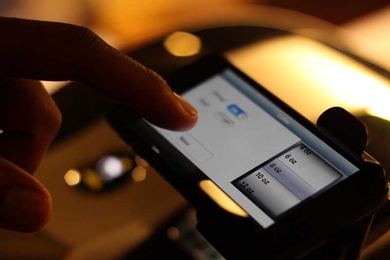
Undergraduate teams create helpful phone apps and devices for people with disabilities.
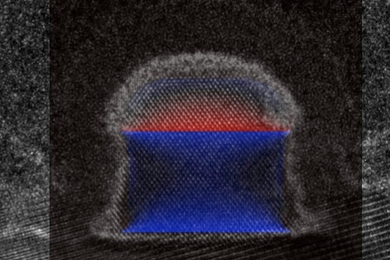
New design for a basic component of all computer chips boasts the highest ‘carrier mobility’ yet measured.

Nick Montfort and colleagues examine cultural significance of computer code in new book.

MIT researchers develop a new approach using graphene sheets coated with nanowires.

Presented annually for outstanding achievements in computer-related science and technology
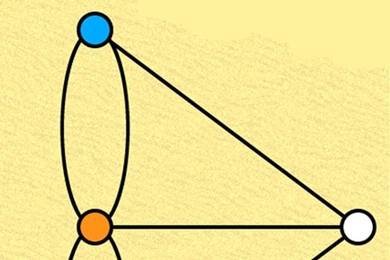
A simple tool for representing relationships between data, devices or almost anything else has ubiquitous applications in computer science.
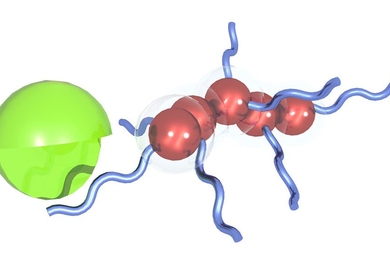
Nanoparticles amplify tumor signals, making them much easier to detect in the urine.
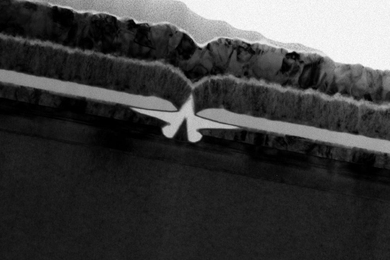
MIT researchers develop the smallest indium gallium arsenide transistor ever built.

The fellowship provides tenured, mid-career faculty in the Department of Electrical Engineer and Computer Science with resources for up to three years to pursue new research and development paths.

Associate provost will oversee Technology Licensing Office and Office of Corporate Relations; retains duties around space planning.