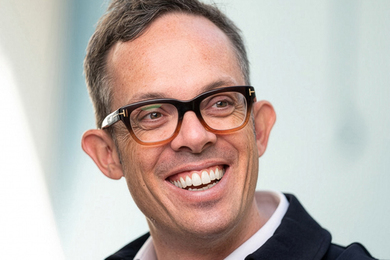
Reframing leadership as a design problem
Nicholas de Monchaux reflects on guiding the MIT Department of Architecture through a period of dramatic change for the profession.
Nicholas de Monchaux reflects on guiding the MIT Department of Architecture through a period of dramatic change for the profession.
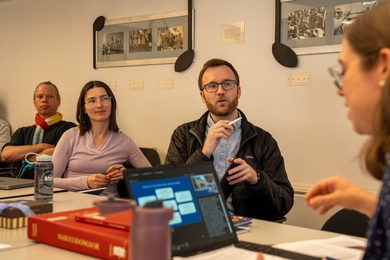
The SHASS Faculty Fellows Program, administered by the MIT Human Insight Collaborative, is fostering new research projects and creating space for supportive and interdisciplinary discussion.
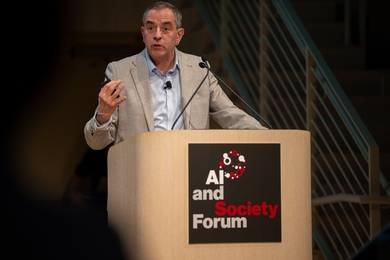
During the AI and Society Forum, leading MIT researchers examined critical questions about AI’s influence on employment and democracy.
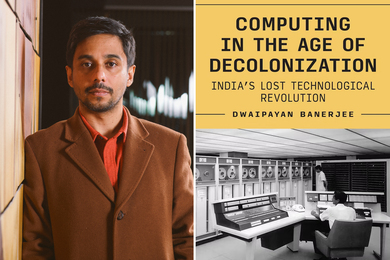
Associate Professor Dwai Banerjee’s new book examines the visionaries who wanted to turn India into a world power at making computers.
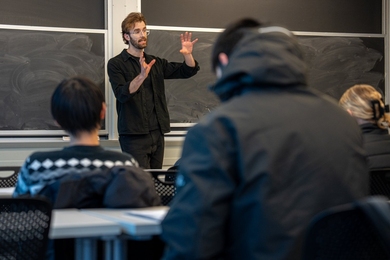
As the NC Ethics of Technology Postdoctoral Fellow, Michal Masny is advancing dialogue, teaching, and research into the social and ethical dimensions of new computing technologies.
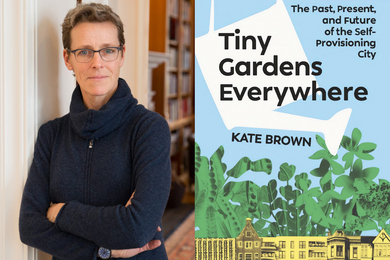
Kate Brown’s book, “Tiny Gardens Everywhere,” examines the hidden history of urban farming, its extensive use, and the politics of growing food.

In STS.059 (The Bioeconomy and Society), students explore the social and political factors at work in the biology, biotech, and biological engineering sectors.
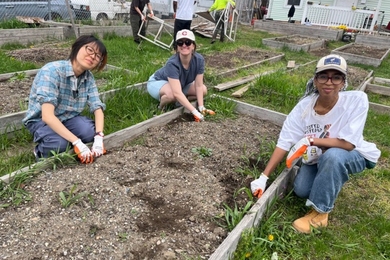
4.182 (Resilient Urbanism: Green Commons in the City), a new subject funded by the MIT Human Insight Collaborative (MITHIC), teaches students about sustainable agriculture in urban areas.
MIT’s Living Climate Futures Lab takes a human-centered approach to investigating a global challenge.
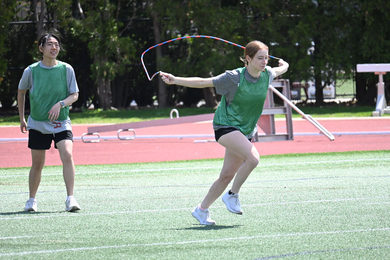
Exercise is Medicine class integrates physical activity and academics.
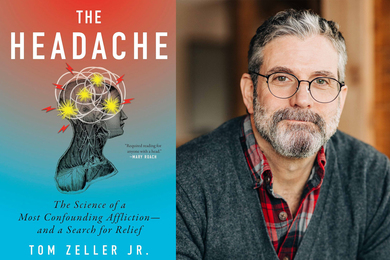
Tom Zeller’s new book, “The Headache,” sheds light on one of the world’s most confounding and agonizing ailments.
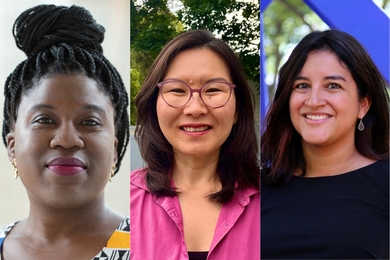
Sandy Alexandre, Manduhai Buyandelger, and Eden Medina take on new leadership positions.
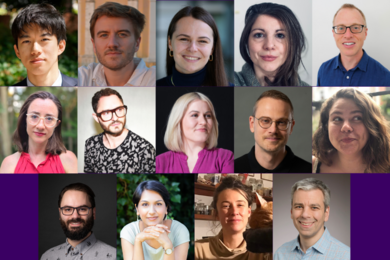
New professors join Comparative Media Studies/Writing, History, Linguistics and Philosophy, Music and Theater Arts, and Political Science.

The pioneering journalist and author was a steadfast champion of science journalism and its global community of practitioners.
McFarling, Pulitzer-prize winning journalist and national science correspondent for STAT, was a 1992-93 Knight Science Journalism Fellow.