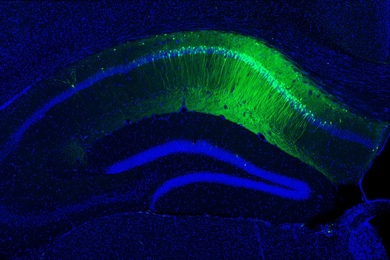
MIT neuroscientists build case for new theory of memory formation
Existence of “silent engrams” suggests that existing models of memory formation should be revised.
Existence of “silent engrams” suggests that existing models of memory formation should be revised.

Alumni and friends gather at the Boch Center Wang Theatre to celebrate the vibrant MIT community and the Institute's ambitious dreams for a better world.
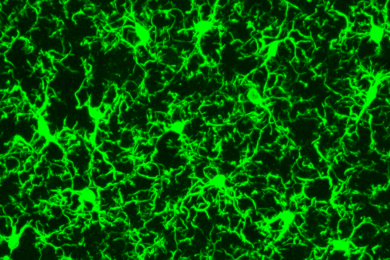
Neuroscientists identify genetic changes in microglia in a mouse model of neurodegeneration and Alzheimer's disease.

For the first time, researchers have identified neural signatures of explicit and implicit learning.
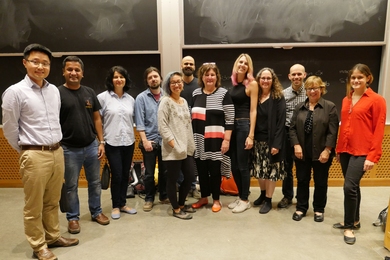
Eight biology trainees had just three minutes to explain their research and earn favor with the judges and audience in new yearly event.

Awards support high-risk, high-impact biomedical research.
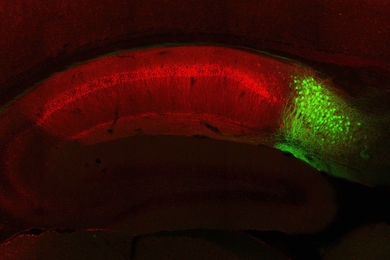

MIT study suggests a new approach to developing treatments for Alzheimer’s disease.
FLARE technique can reveal which cells respond during different tasks.
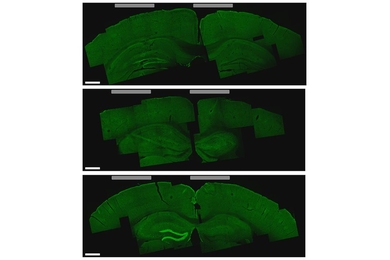
Electrodes placed on the scalp could help patients with brain diseases.

New findings shed light on how we quickly assess risks and rewards before acting.
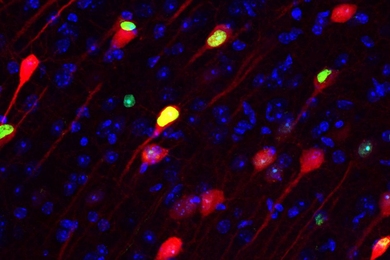
New findings challenge standard model of memory consolidation.
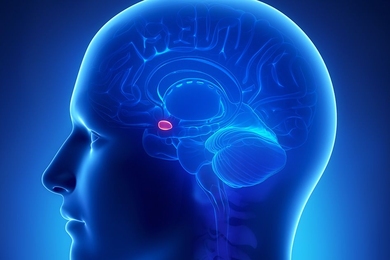
Surprisingly, the neurons are located in a brain region thought to be linked with fear.
Kids ask tough questions; MIT students, staff, and faculty answer. This episode of "#AskMIT" describes how much of our brains we really use.
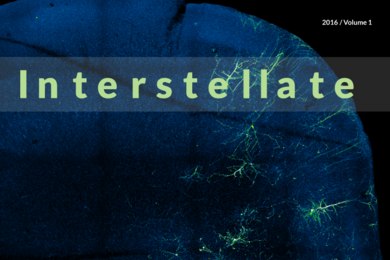
Caitlin Vander Weele, a graduate student in brain and cognitive sciences, launches a collaborative neuro-art pictorial magazine.