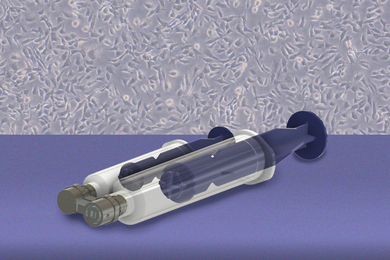
New cell-collection device could improve early cancer detection
MIT researchers developed a handheld system that gently collects living cells from patient samples to aid cancer testing and development of personalized medicines.
MIT researchers developed a handheld system that gently collects living cells from patient samples to aid cancer testing and development of personalized medicines.
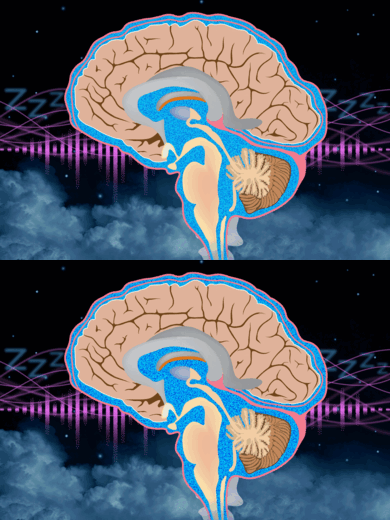
Delivered at just the right time, this type of auditory stimulus can strengthen the flow of cerebrospinal fluid, which clears debris from the brain and keeps it healthy.
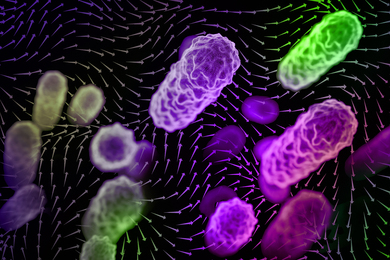
Researchers explore how a key factor can mitigate or promote tuberculosis transmission.
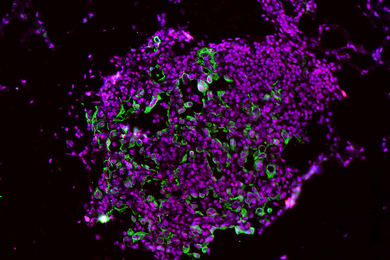
A new study by MIT researchers shows that inhibiting caspase-1 can reduce the risk of tumor growth.
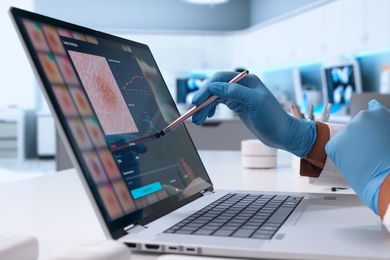
Study finds non-experts deferred to LLM-based diagnostic assistance, even when it was wrong, while clinicians caught AI errors.
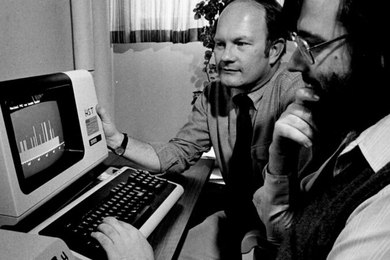
The visionary PhysioNet platform launched 25 years ago, based on a system developed at MIT in the 1970s. It has become one of the most comprehensive biomedical and clinical data repositories in existence.
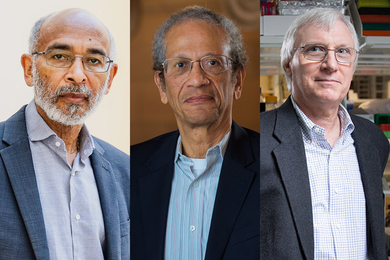
Longtime professors and experts in the fields of anesthesiology, aerospace engineering, and biological engineering, respectively, receive MIT’s highest faculty honor.
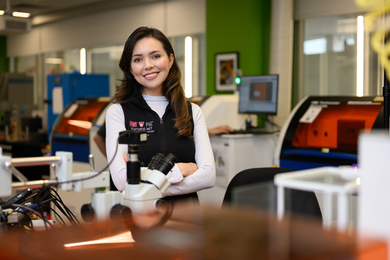
The PhD candidate builds soft bioelectronic technologies to decode signals between the brain and the rest of the body.

Researchers developed an auditing technique to test generative AI models for malicious capabilities, without prompting them for illegal outputs.
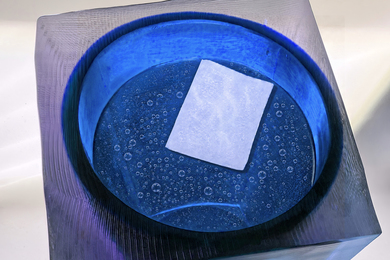
The new aerated material could enable longer-lasting bandages, implants, and wearable sensors.
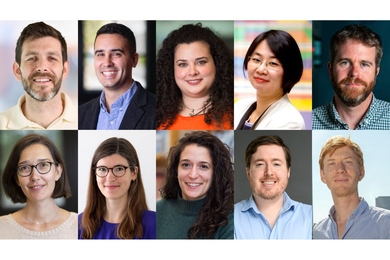
Ten faculty members have been granted tenure in five units across MIT’s School of Engineering.
MIT faculty member in electrical engineering and computer science to focus on innovation in engineering education and new pedagogical approaches.
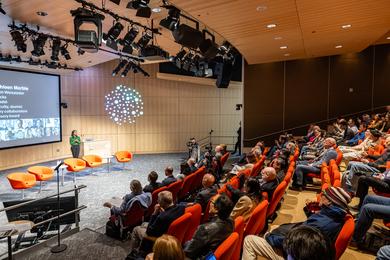
The MIT Marble Center for Cancer Nanomedicine looks back at 10 years of turning big ideas about nanotechnology into transformative advances for cancer patients.
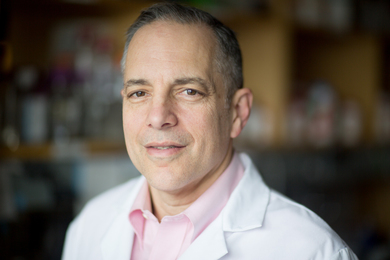
The professor of medical engineering and science is honored for medical research that has led to better treatments for cardiovascular disease.
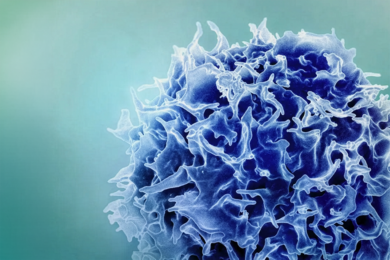
Using immune-remodeling mRNA molecules, researchers generated T cells that can slow tumor growth and, in some cases, eradicate tumors.