Putting the ‘art’ in artificial intelligence
CSAIL associate professor develops AI systems that can interpret images.
CSAIL associate professor develops AI systems that can interpret images.
CSAIL principal investigator honored for contributions to science and technology.
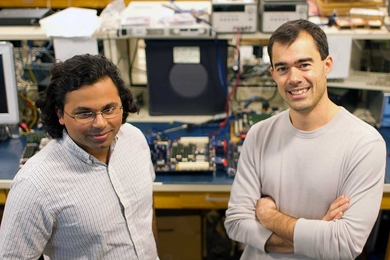
Designers of mobile devices need to think hard about which functions to implement in hardware and which in software. A new programming language makes that much easier.
CSAIL principal investigator receives Association for Computing Machinery honor.
Neuroscientist looks forward to collaborative studies of visual perception in the brain and its computational applications.
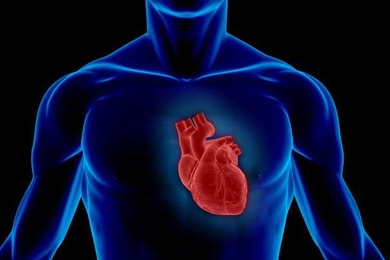
New technique searches for subtle indicators of risk hidden in a patient’s EKG.
By automatically cataloging connections between software 'objects,' a new system orients programmers joining large software projects in midstream.
Economist hopes to merge the fields of computer science and artificial intelligence with research on financial markets and risk.
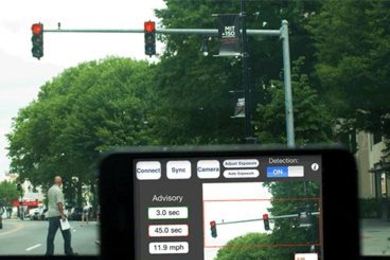
A network of dashboard-mounted phones can collect data on traffic lights and tell drivers how to avoid inefficient stopping and starting.

A new tool interrupts the ‘infinite loops’ that cause computer hang-ups, letting users save data and finish tasks before restarting a stalled program.