
Computer Science and Artificial Intelligence Laboratory (CSAIL)
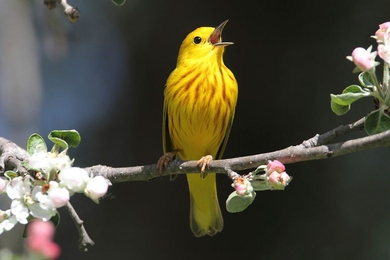
Could birdsong help us solve stuttering?
New CSAIL genomics work suggests vocalizing birds could tell us more about speech disorders.

CSAIL opens lab to 150 local students for Hour of Code
Robots, virtual visit from will.i.am aim to get kids excited about programming.

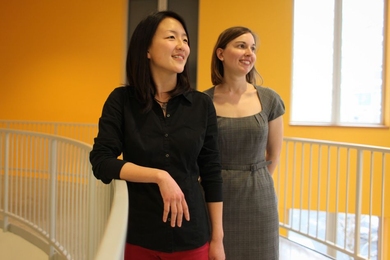
Computers that teach by example
New system enables pattern-recognition systems to convey what they learn to humans.

Hewlett Foundation funds new MIT initiative on cybersecurity policy
Largest-ever private commitment to cybersecurity establishes major new academic centers.

CSAIL, MechE marine experts win international self-driving boat competition
MIT marine experts win international RobotX self-driving boat competition
MIT students join Olin College to finish first in RobotX Challenge.

Harnessing error-prone chips
New system would allow programmers to easily trade computational accuracy for energy savings.

MIT computer scientists can predict the price of Bitcoin
CSAIL/LIDS team's algorithm doubles initial investment in under two months.

Getting metabolism right
Analysis of 89 models of metabolic processes finds flaws in 44 of them — but suggests corrections.

Turning the tables on wireless interference
Cognitive coexistence radio and other technologies will help alleviate spectrum congestion for wireless devices.

New frontier in error-correcting codes
Coding scheme for interactive communication is the first to near optimality on three classical measures.
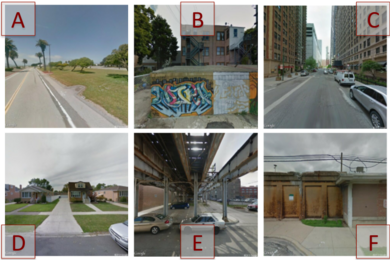
Can you out-race a computer?
Deep-learning algorithm can weigh up a neighborhood better than humans.

MIT Professional Education announces new offerings of Online X professional course on big data
In response to success of initial offering, individuals may sign up now for fall and spring sessions of "Tackling the Challenges of Big Data"
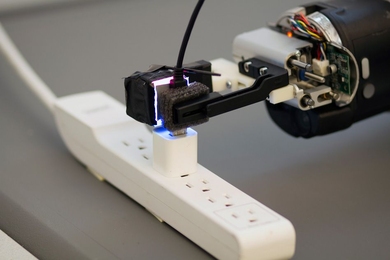
Fingertip sensor gives robot unprecedented dexterity
Equipped with a novel optical sensor, a robot grasps a USB plug and inserts it into a USB port.