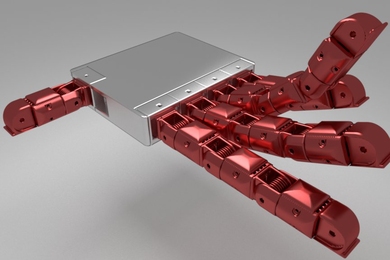
A one-up on motion capture
A new neural network approach captures the characteristics of a physical system’s dynamic motion from video, regardless of rendering configuration or image differences.
A new neural network approach captures the characteristics of a physical system’s dynamic motion from video, regardless of rendering configuration or image differences.

PhD candidate Jonathan Zong found a lack of systems that earn and maintain public trust in large-scale online research — so he made one himself.
MIT researchers can now estimate how much information data are likely to contain, in a more accurate and scalable way than previous methods.
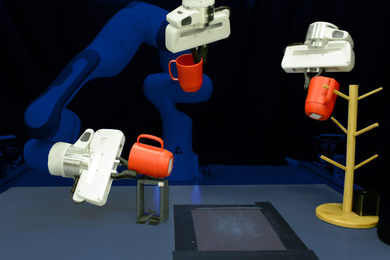
Researchers have developed a technique that enables a robot to learn a new pick-and-place task with only a handful of human demonstrations.
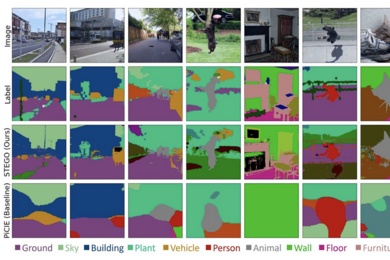
MIT CSAIL scientists created an algorithm to solve one of the hardest tasks in computer vision: assigning a label to every pixel in the world, without human supervision.
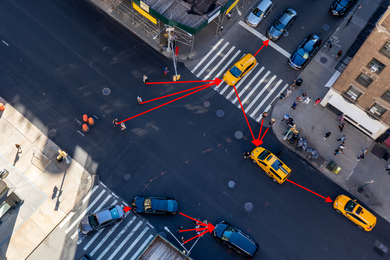
A new machine-learning system may someday help driverless cars predict the next moves of nearby drivers, cyclists, and pedestrians in real-time.
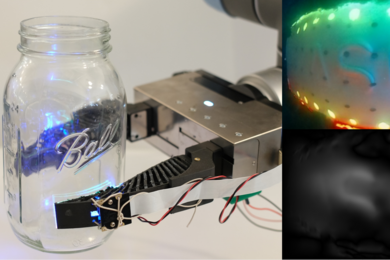
MIT engineers Edward Adelson and Sandra Liu duo develop a robotic gripper with rich sensory capabilities.

A multidisciplinary team of graduate students helps infuse ethical computing content into MIT’s largest machine learning course.

A new technique compares the reasoning of a machine-learning model to that of a human, so the user can see patterns in the model’s behavior.
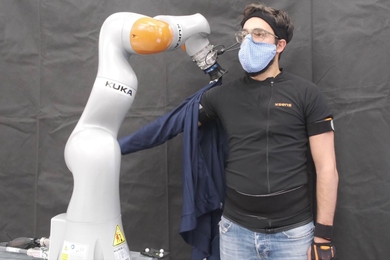
MIT researchers design a robot that has a trick or two up its sleeve.

A new analysis shows how milk-producing cells change over time in nursing mothers.

An efficient machine-learning method uses chemical knowledge to create a learnable grammar with production rules to build synthesizable monomers and polymers.
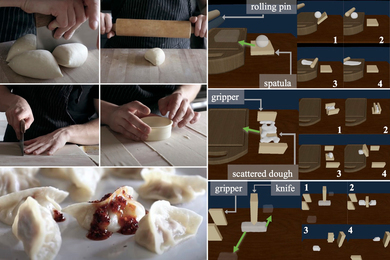
A new technique could enable a robot to manipulate squishy objects like pizza dough or soft materials like clothing.

A new technique for removing bias in datasets can enable machine-learning models to make loan approval predictions that are both fair and accurate.
MIT AI Hardware Program launches with five inaugural companies to advance AI technologies for the next decade.