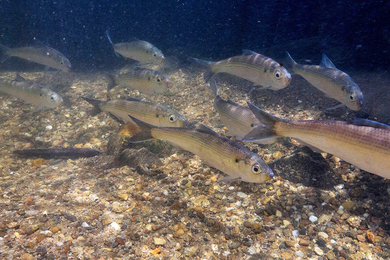
Augmenting citizen science with computer vision for fish monitoring
MIT Sea Grant works with the Woodwell Climate Research Center and other collaborators to demonstrate a deep learning-based system for fish monitoring.
MIT Sea Grant works with the Woodwell Climate Research Center and other collaborators to demonstrate a deep learning-based system for fish monitoring.
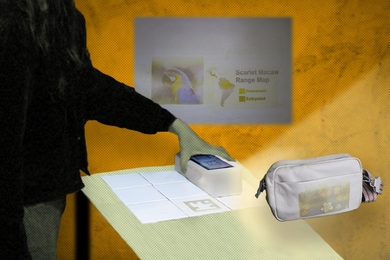
The portable “ChromoLCD” device combines LCD and LED lighting to customize high-quality designs onto things like shirts and whiteboards.
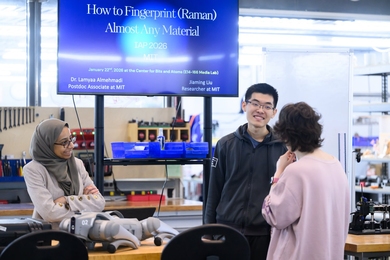
Participants learn how laser “fingerprinting” can help identify materials in fields ranging from law enforcement to art restoration.

Academia-industry relationship is an early-stage accelerator, supporting professional progress and research.
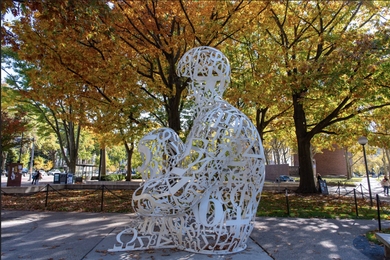
Faculty members and researchers were honored in recognition of their scholarship, service, and overall excellence.
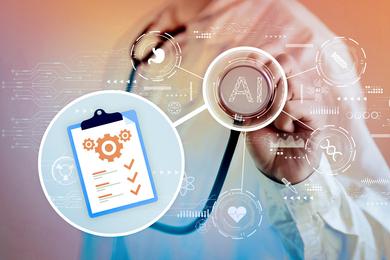
A new approach could help users know whether to trust a model’s predictions in safety-critical applications like health care and autonomous driving.
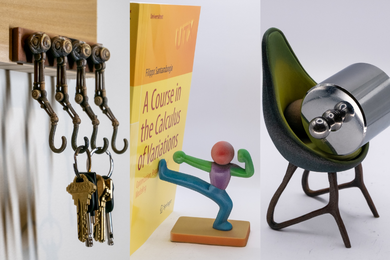
To help generative AI models create durable, real-world accessories and decor, the PhysiOpt system runs physics simulations and makes subtle tweaks to its 3D blueprints.
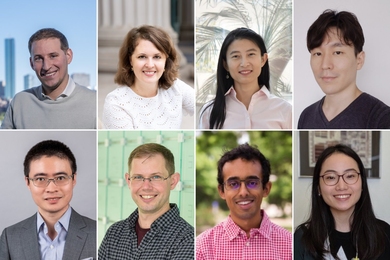
Annual award honors early-career researchers for creativity, innovation, and research accomplishments.
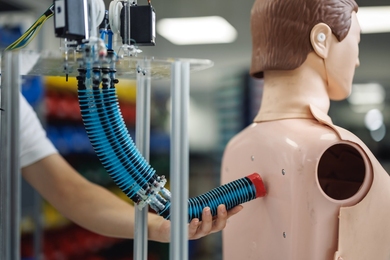
An AI control system co-developed by SMART researchers enables soft robotic arms to learn a broad set of motions once and adapt instantly to changing conditions without retraining.
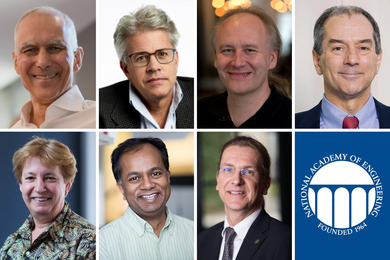
Seven faculty members, along with 12 additional alumni, are honored for significant contributions to engineering research, practice, and education.
EnCompass executes AI agent programs by backtracking and making multiple attempts, finding the best set of outputs generated by an LLM. It could help coders work with AI agents more efficiently.
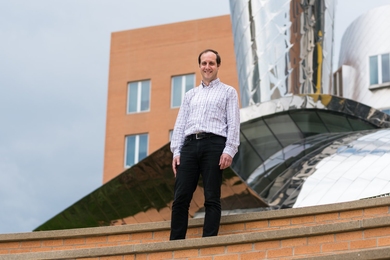
Torralba’s research focuses on computer vision, machine learning, and human visual perception.
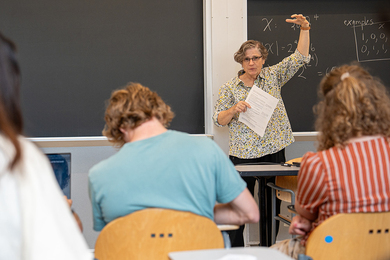
As AI technology advances, a new interdisciplinary course seeks to equip students with foundational critical thinking skills in computing.

New research detects hidden evidence of mistaken correlations — and provides a method to improve accuracy.
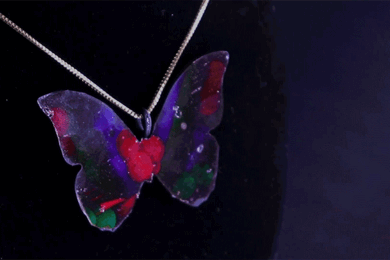
“MorphoChrome,” developed at MIT, pairs software with a handheld device to make everyday objects iridescent.