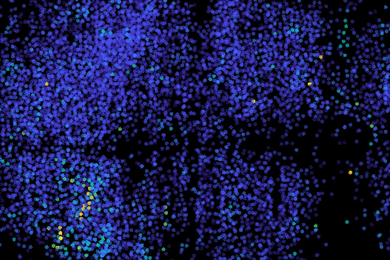
High-speed microscopy reveals electrical activity across the brain
The new technique could help scientists learn how the entire brain works to generate decisions and emotions.
The new technique could help scientists learn how the entire brain works to generate decisions and emotions.
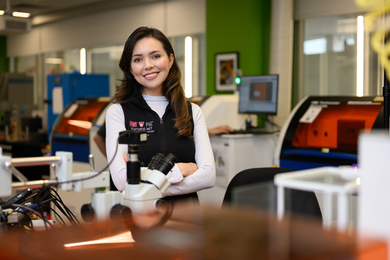
The PhD candidate builds soft bioelectronic technologies to decode signals between the brain and the rest of the body.
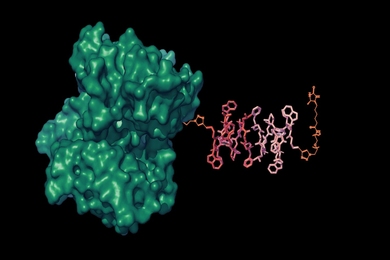
New MRI sensors developed at MIT sensitively detect target molecules in the brain and body.
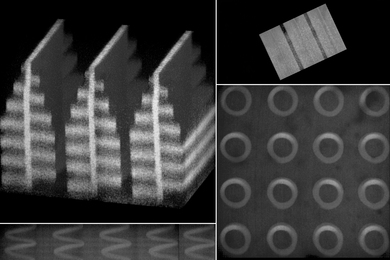
MIT researchers created tiny 3D photonic devices with features small enough to channel visible light.
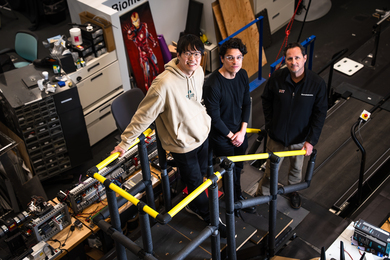
A new biohybrid system developed at MIT is the first living implant that uses rewired nerves to revive paralyzed organs.
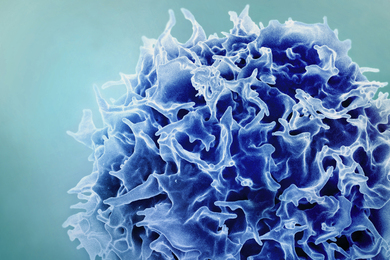
Stimulating the liver to produce some of the signals of the thymus can reverse age-related declines in T-cell populations and enhance response to vaccination.
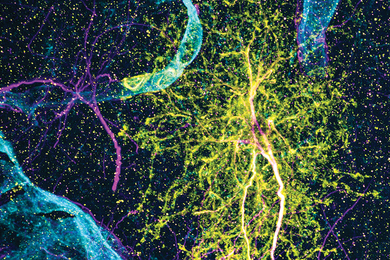
A new atlas charts the diversity of an influential cell type in the brains of mice and marmosets.

Whether they walk on two, four, or six legs, animals maintain stability by monitoring their body position and correcting errors with every step.
MIT neuroscientists find a surprising parallel in the ways humans and new AI models solve complex problems.
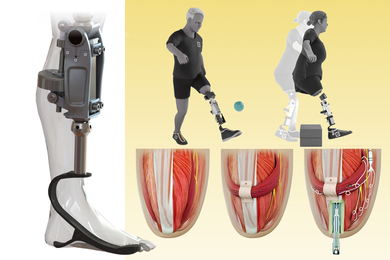
In a small clinical study, users of this prosthesis navigated more easily and said the limb felt more like part of their body.

Study shows humans flexibly deploy different reasoning strategies to tackle challenging mental tasks — offering insights for building machines that think more like us.

Researchers redesign a compact RNA-guided enzyme from bacteria, making it an efficient editor of human DNA.

After six weeks of practicing mindfulness with the help of a smartphone app, adults with autism reported lasting improvements in their well-being.
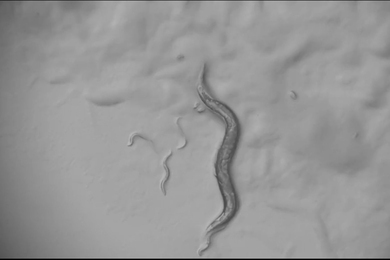
Upon infection, the C. elegans worm reshuffles the roles of brain cells and flips the functions of some of the chemicals it uses to regulate behavior.
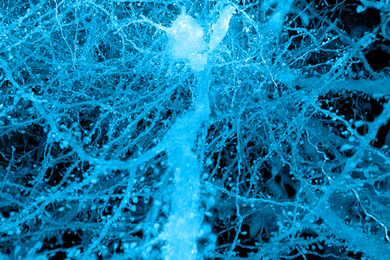
Since an MIT team introduced expansion microscopy in 2015, the technique has powered the science behind kidney disease, plant seeds, the microbiome, Alzheimer’s, viruses, and more.