
MIT researchers advance toward greater bandwidth, more energy-efficient communications
The FUTUR-IC research program integrates electronics and photonics in microchip systems.
The FUTUR-IC research program integrates electronics and photonics in microchip systems.

A new study suggests flexibility in the timing of electricity consumption could lower consumer costs.

A new system, known as Murakkab, optimizes the design and deployment of multistep workflows that power AI applications.

Founded by two researchers from MIT, Ferveret reduces the amount of energy and water required to cool the chips that power AI.

The “EnergAIzer” method generates reliable results in seconds, enabling data center operators to efficiently allocate resources and reduce wasted energy.

While the growing energy demands of AI are worrying, some techniques can also help make power grids cleaner and more efficient.

MIT researchers found a way to predict how efficiently materials can transport protons in clean energy devices and other advanced technologies.
By stacking multiple active components based on new materials on the back end of a computer chip, this new approach reduces the amount of energy wasted during computation.
AI supports the clean energy transition as it manages power grid operations, helps plan infrastructure investments, guides development of novel materials, and more.

Explosive growth of AI data centers is expected to increase greenhouse gas emissions. Researchers are now seeking solutions to reduce these environmental harms.

Plasma Science and Fusion Center researchers created a superconducting circuit that could one day replace semiconductor components in quantum and high-performance computing systems.

At the 2025 MIT Energy Conference, energy leaders from around the world discussed how to make green technologies competitive with fossil fuels.

Agreement between MIT Microsystems Technology Laboratories and GlobalFoundries aims to deliver power efficiencies for data centers and ultra-low power consumption for intelligent devices at the edge.
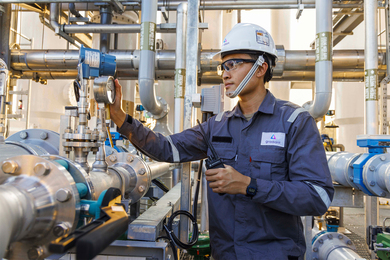
The company builds water recycling, treatment, and purification solutions for some of the world’s largest brands.

Providing electricity to power-hungry data centers is stressing grids, raising prices for consumers, and slowing the transition to clean energy.