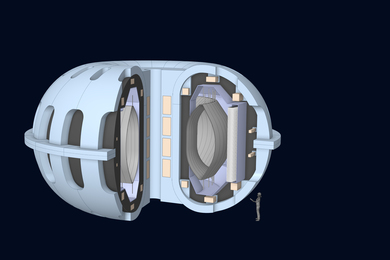
On course to create a fusion power plant
How an MIT engineering course became an incubator for fusion design innovations.
How an MIT engineering course became an incubator for fusion design innovations.
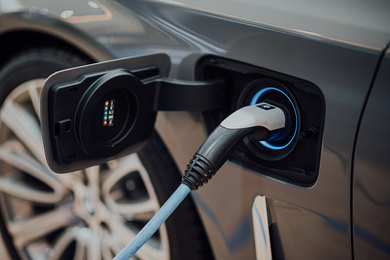
By 2030, 40 percent of vehicles sold in China will be electric; MIT research finds that despite benefits, the cost to consumers and to society will be substantial.

Her research focuses on more-efficient deep neural networks to process video, and more-efficient hardware to run applications.
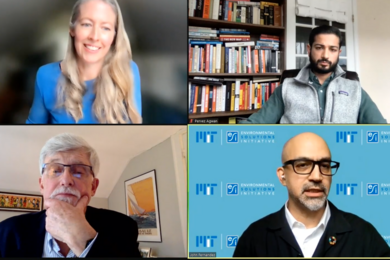
Engagement with political, community leaders must be a key part of forthcoming climate action plan, MIT climate leaders say.
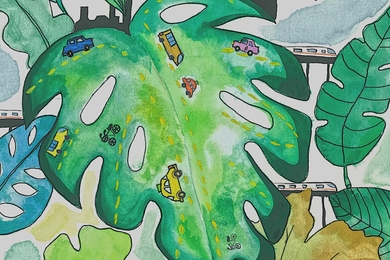
SMART research finds US road congestion increased by almost 1 percent while the duration of congestion rose by 4.5 percent.
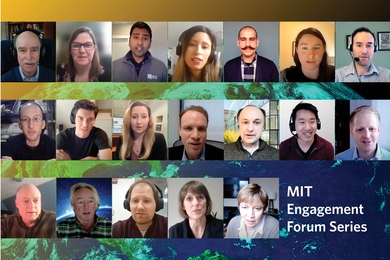
Symposium highlights ambitious goals of MIT–industry research targeting technologies to reduce greenhouse gas emissions.
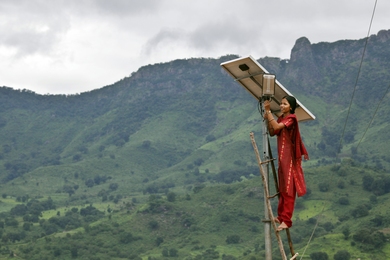
MIT scholars are helping to solve the economic, cultural, and political dimensions of the world’s energy and climate challenges.
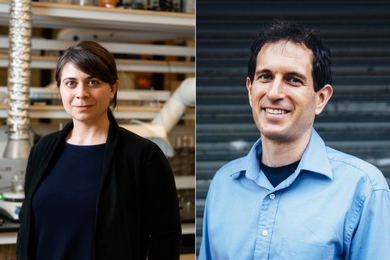
CEE and DUSP faculty members recognized for excellence in leadership, service, and impactful work tackling environmental and social justice issues.
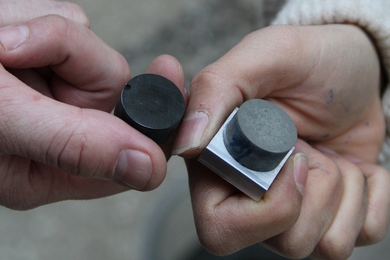
A collaboration between MIT and CNRS has yielded a cement that conducts electricity and generates heat.

In a Boston Globe op-ed, MIT’s president argues that the US must invest in new breakthroughs while also deploying all available tools today.

A new approach to identifying useful formulations could help solve the degradation issue for these promising new lightweight photovoltaics.
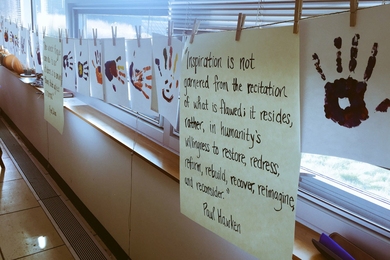
A new framework calculates companies’ beneficial environmental "handprints" as well as their negative footprints, to encourage eco-friendly actions.

Mechanical engineering student Arnav Patel is on a mission to promote sustainability — from Cambridge to the Himalaya.

Researchers evaluate the role and value of long-duration energy storage technologies in securing a carbon-free electric grid.
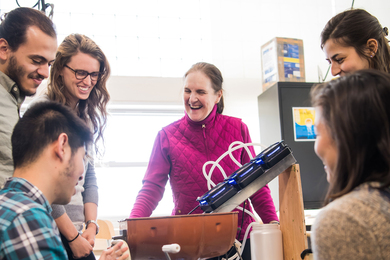
MIT’s Susan Murcott is dedicated to providing clean water access and building a new generation of humanitarian water leaders.