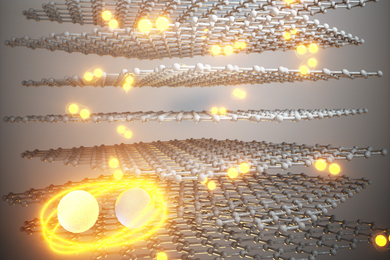
Physicists discover a “family” of robust, superconducting graphene structures
The findings could inform the design of practical superconducting devices.
The findings could inform the design of practical superconducting devices.
Enjoy these recent titles from Institute faculty and staff.
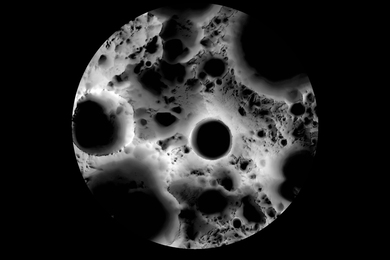
The moon sustained twice as many impacts as can be seen on its surface, scientists find.
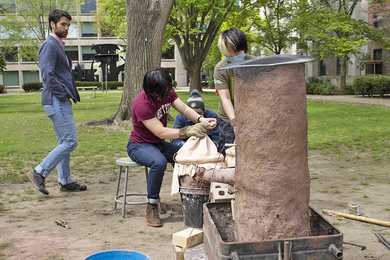
Building and working a clay-and-grass furnace, teachers and students learn more than how to turn ore into metal.
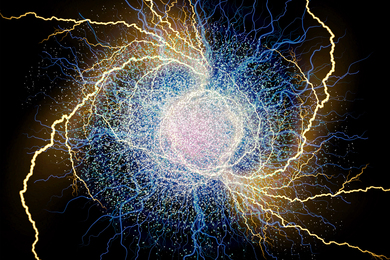
Long predicted but never observed, this fluid-like electron behavior could be leveraged for low-power next-generation electronics.
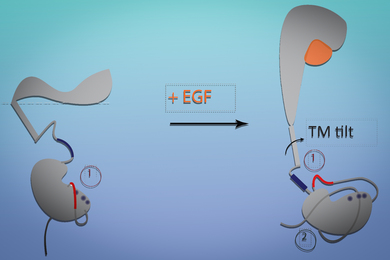
Insight into the way the EGF receptor sends signals into cells could help researchers design new cancer drugs that target this protein.

Christoph Paus, the MIT physicist who co-led the effort to detect the particle, looks ahead to the next 10 years.
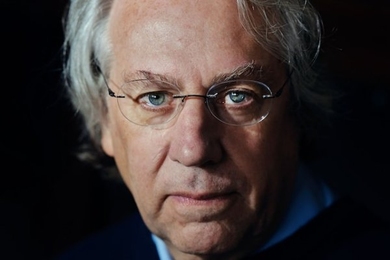
With over 200 published papers, multiple books, and countless media appearances, Emanuel’s 41 years at MIT have been marked by influential research into hurricane formation and climate change outreach.
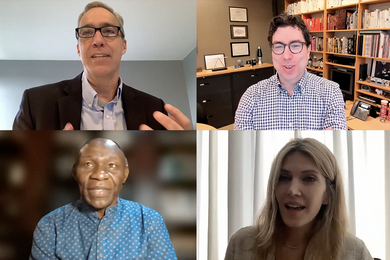
The second AI Policy Forum Symposium convened global stakeholders across sectors to discuss critical policy questions in artificial intelligence.
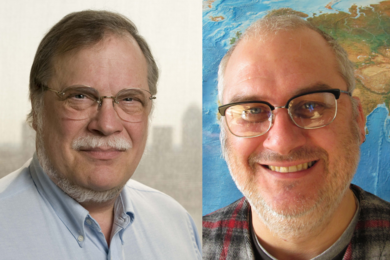
Ed Boyle to step down as director; Mick Follows will take over the directorship in July.
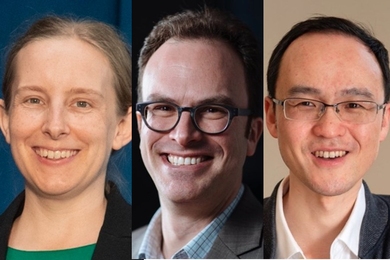
Tracy Slatyer, Jesse Thaler, and Wei Zhang are honored for their research, leadership, and mentorship.
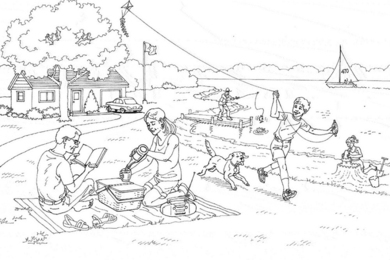
A team of cognitive scientists and doctors finds that patients with aphasia use different cognitive tools to compensate for language deficits.
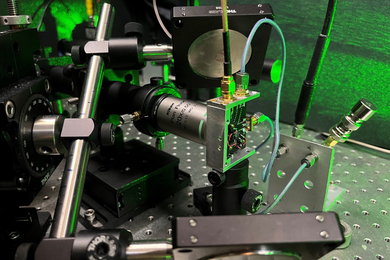
MIT engineers expand the capabilities of these ultrasensitive nanoscale detectors, with potential uses for quantum computing and biological sensing.
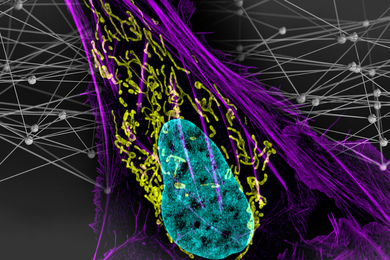
The system rapidly scans the genome of cancer cells, could help researchers find targets for new drugs.

A new computational model could explain differences in recognizing facial emotions.