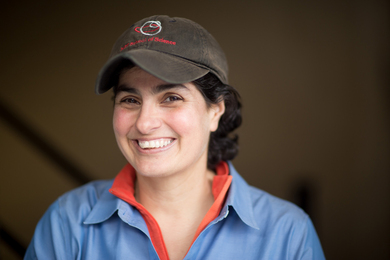
Nergis Mavalvala named School of Science dean
Astrophysicist and associate head of the physics department will succeed Michael Sipser.
Astrophysicist and associate head of the physics department will succeed Michael Sipser.
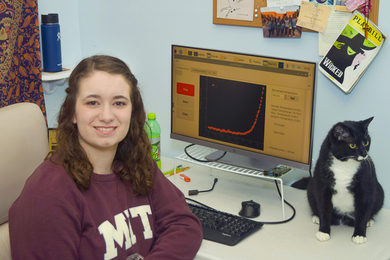
Rising MIT sophomore finds satisfaction designing for the laboratory and the playing field.
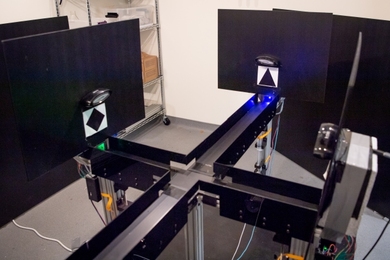
New statistical model may help scientists understand how animals infer whether surroundings are novel or haven’t changed enough to be a new context.
Sequential immunization might be safer and more effective than the existing tetravalent vaccine.
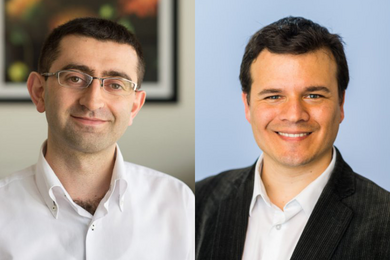
Funding will support using light to study quantum materials and on twistronics research to advance superconductivity and quantum technologies.
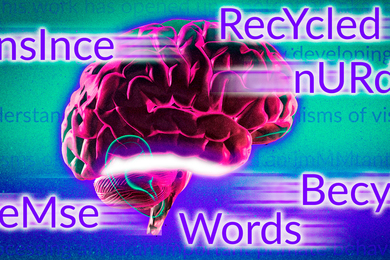
Part of the visual cortex dedicated to recognizing objects appears predisposed to identifying words and letters, a study finds.
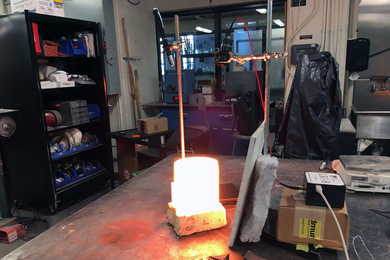
By making their own lava and cooled glass, scientists find these materials likely aren’t responsible for the unexpected glow of some exoplanets.
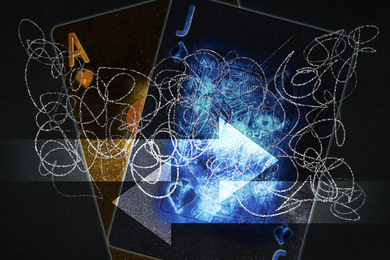
Study finds quantum entanglement could, in principle, give a slight advantage in the game of blackjack.
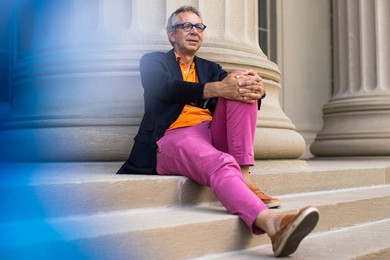
MIT physicist led government-backed effort to study the challenges and solutions surrounding campus lab work.
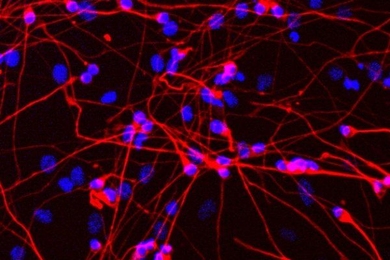
Disruption of condensates in the neurodevelopmental disorder provides insights into how cells compartmentalize chromosomes, as well as new potential therapies.
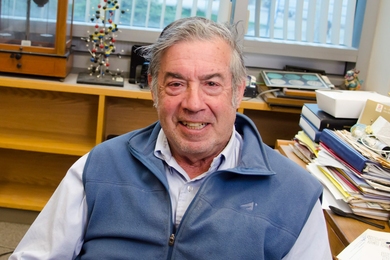
Professor of biology discusses a scientist’s responsibility to speak out about important issues that affect our nation and the world.
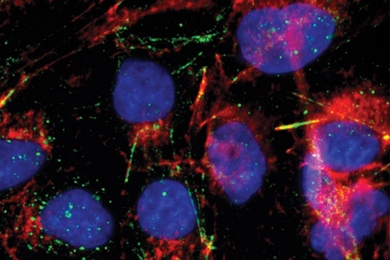
ENCODE consortium identifies RNA sequences that are involved in regulating gene expression.
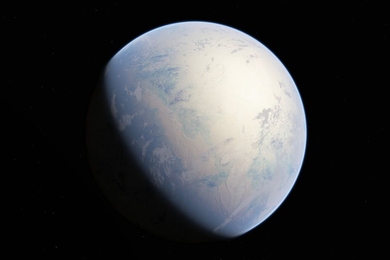
Findings also suggest exoplanets lying within habitable zones may be susceptible to ice ages.
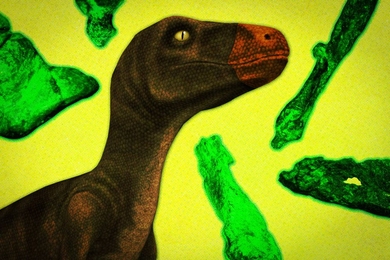
Geological evidence suggests the known dinosaur groups diverged early on, supporting the traditional dinosaur family tree.
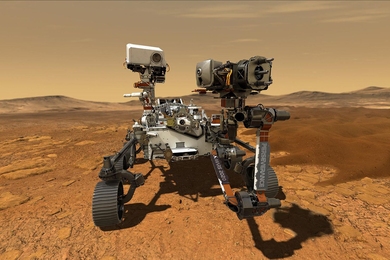
Led by MIT researchers, one of the experiments aboard the next mission to the Red Planet aims to generate oxygen from Martian air.