
In international relations, it’s the message, not the medium
Research surveys show warnings issued by world leaders are taken equally seriously whether issued on social media or through formal statements.
Download RSS feed: News Articles / In the Media / Audio
Research surveys show warnings issued by world leaders are taken equally seriously whether issued on social media or through formal statements.

Letting people work with a “navigator” dramatically increases how often they move to higher-opportunity neighborhoods.
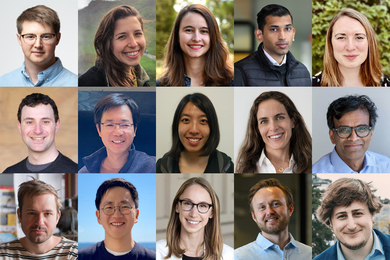
Fifteen new faculty members join six of the school’s academic departments.

Christopher Wang, a senior in EECS, shares his favorite study spaces, how he discovered theater at the Institute, and what he'll miss most.
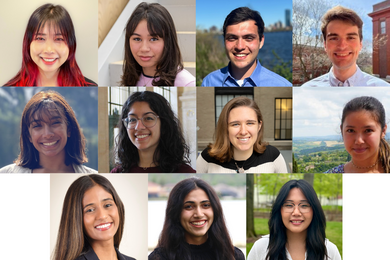
The Fulbright US Student Program funds research, study, and teaching opportunities abroad.
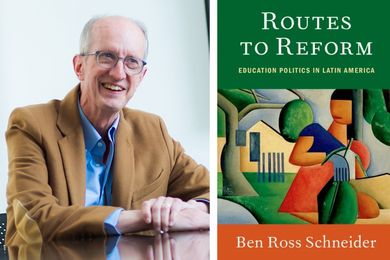
Political scientist Ben Ross Schneider’s new book examines why improving public education has been so difficult in Latin America.
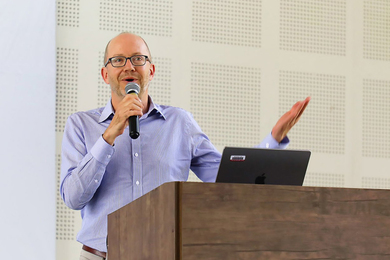
Professor of political science Evan Lieberman discusses his research into perceptions among African and American citizens about the climate crisis and how their governments are responding.
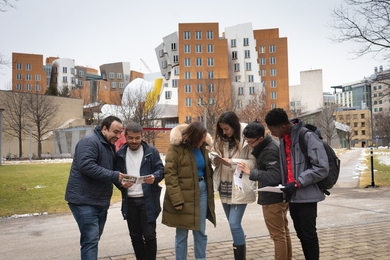
Students have new avenues for learning and research on the most effective approaches to fighting poverty in the US and other high-income countries.

The fellowship funds graduate studies at Stanford University.
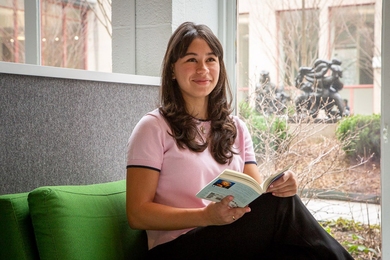
A joint humanities and engineering major, senior Grace McMillan is setting her sights on a legal career focused on education policy reform.
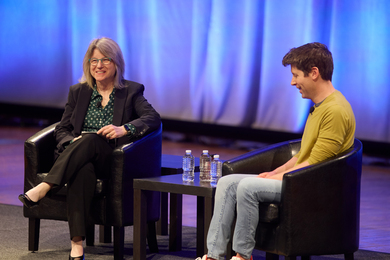
The conversation in Kresge Auditorium touched on the promise and perils of the rapidly evolving technology.
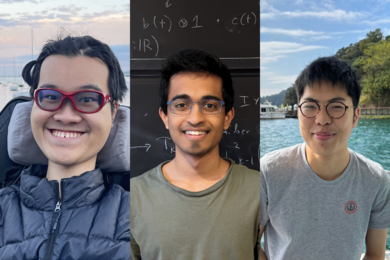
Undergraduates Ben Lou, Srinath Mahankali, and Kenta Suzuki, whose research explores math and physics, are honored for their academic excellence.

Senior James Simon wants to effect change in two ways: by quantifying societal issues and working directly with disadvantaged communities.
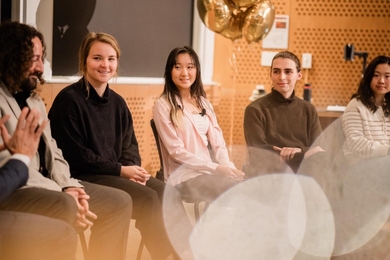
At MIT’s Festival of Learning 2024, panelists stressed the importance of developing critical thinking skills while leveraging technologies like generative AI.

William Deringer studies “very old things and very technical things” — that have never been more relevant.