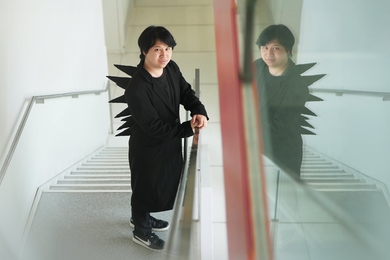
3 Questions: Neural transparency and the future of AI design
Assistant Professor Pat Pataranutaporn describes a new interface that lets everyday users glimpse inside an AI's neural network before their chatbot ever says a word.
Assistant Professor Pat Pataranutaporn describes a new interface that lets everyday users glimpse inside an AI's neural network before their chatbot ever says a word.
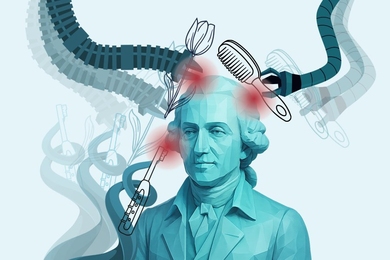
MIT CSAIL and LIDS researchers developed a mathematically grounded system that lets soft robots deform, adapt, and interact with people and objects, without violating safety limits.
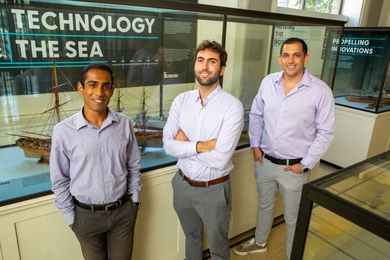
First-of-its-kind handbook serves as a guide for design safety for civilian nuclear ships.
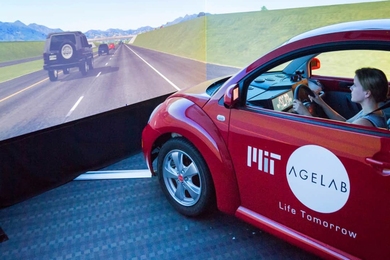
A decade-plus alliance between MIT’s AgeLab and Toyota’s Collaborative Safety Research Center is recognized as a key contributor to advancements in automotive safety and human-machine interaction.
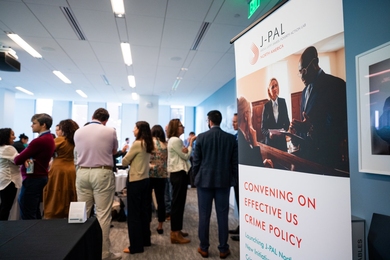
The IECP will generate rigorous evidence for fair and effective public safety solutions.
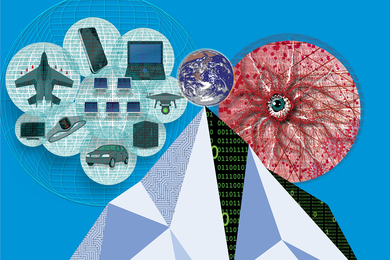
Lincoln Laboratory cybersecurity expert Hamed Okhravi calls for a unified approach to securing computer memory, as a matter of national security.

MIT Advanced Vehicle Technology Consortium marks a decade of developing data that improve understanding of how drivers use and respond to increasingly sophisticated automotive features.
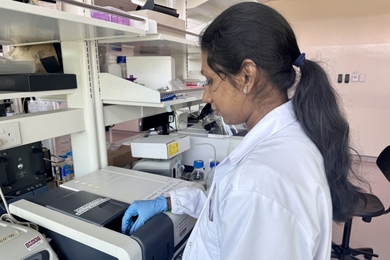
Ultraviolet light “fingerprints” on cell cultures and machine learning can provide a definitive yes/no contamination assessment within 30 minutes.

“We need to both ensure humans reap AI’s benefits and that we don’t lose control of the technology,” says senior Audrey Lorvo.
CTL research scientist will provide recommendations to the Federal Aviation Administration focused on the most significant human-factor risks to aviation safety.

The MIT Advanced Vehicle Technology Consortium provides data-driven insights into driver behavior, along with trust in AI and advanced vehicle technology.
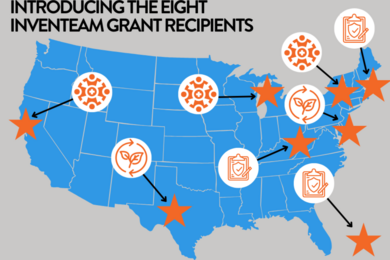
Each $7,500 grant allows high schoolers to solve real-world problems with technological solutions.
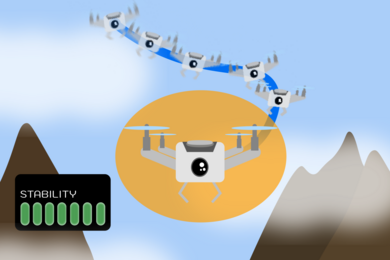
Neural network controllers provide complex robots with stability guarantees, paving the way for the safer deployment of autonomous vehicles and industrial machines.

Longtime professor helped develop the Department of Mechanical Engineering’s design and manufacturing curriculum, contributed to artificial joints as well as NASA inertial guidance systems.
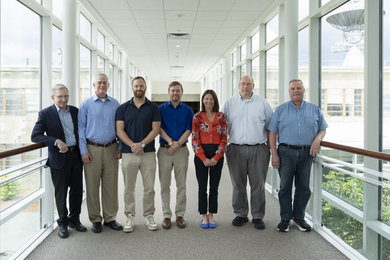
Lincoln Laboratory is developing a roadmap to streamline system acquisitions and facilitate connectivity across the Southwestern test ranges.