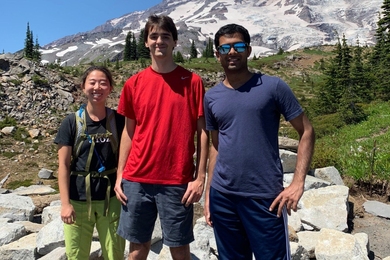
An immersive experience in industry
Through the MechE Alliance’s Industry Immersion Program, graduate students get hands-on experience working on projects across a range of industries.
Through the MechE Alliance’s Industry Immersion Program, graduate students get hands-on experience working on projects across a range of industries.
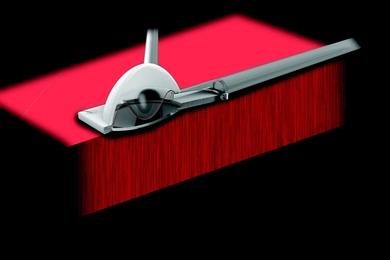
Discovery could enable longer-lasting and better-functioning devices — including pacemakers, breast implants, biosensors, and drug delivery devices.

New capabilities allow “roboats” to change configurations to form pop-up bridges, stages, and other structures.
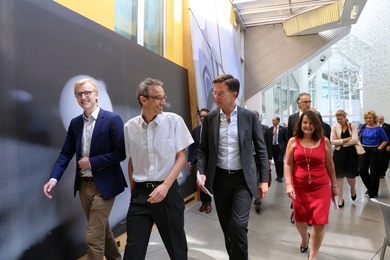
Dutch delegation visits the Institute for a tour focused on computing, robotics, and health care innovation.
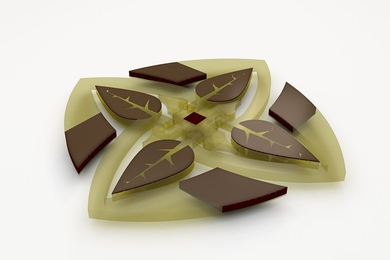
When designing actuators involves too many variables for humans to test by hand, this system can step in.
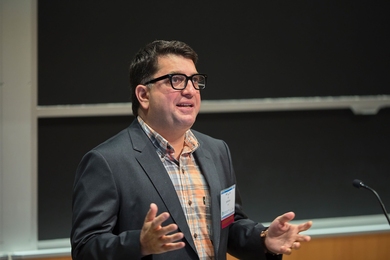
L4DC explored an emerging scientific area at the intersection of real-time physical data, machine learning, control theory, and optimization.
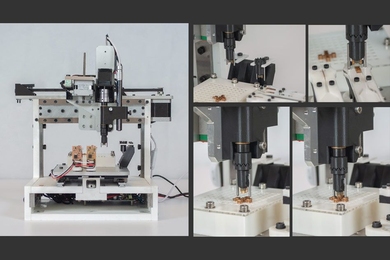
Mobile motor could pave the way for robots to assemble complex structures — including other robots.
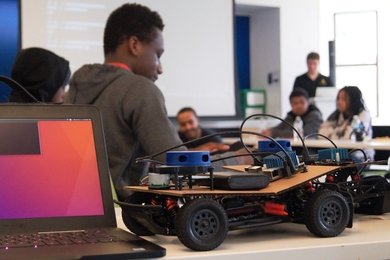
Laboratory staff teamed up with the Timothy Smith Network to offer a four-week coding course for middle school students.

Interacting with a robotic teddy bear invented at MIT boosted young patients’ positive emotions, engagement, and activity level.

New approach quickly finds hidden objects in dense point clouds, for use in driverless cars or work spaces with robotic assistants.
MIT CSAIL system can learn to see by touching and feel by seeing, suggesting future where robots can more easily grasp and recognize objects.
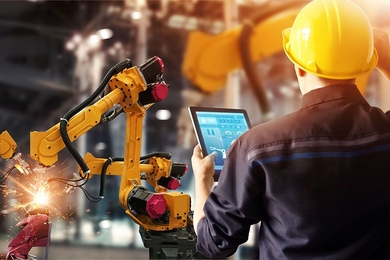
A new tool for predicting a person’s movement trajectory may help humans and robots work together in close proximity.
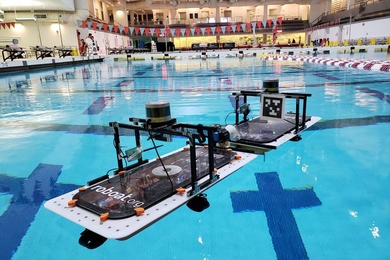
Fleet of “roboats” could collect garbage or self-assemble into floating structures in Amsterdam’s many canals.
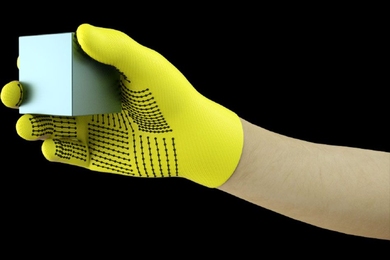
Signals help neural network identify objects by touch; system could aid robotics and prosthetics design.
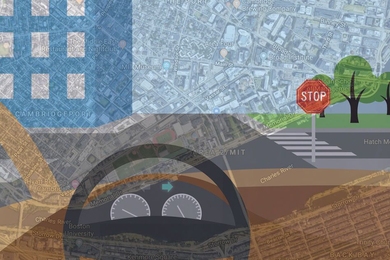
Autonomous control system “learns” to use simple maps and image data to navigate new, complex routes.