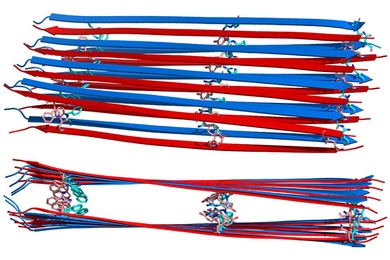
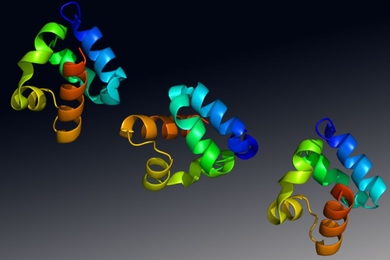
Chemists discover structure of glucagon fibrils
Study may be a step toward shelf-stable versions of the hormone, which is used to control diabetes.
Study may be a step toward shelf-stable versions of the hormone, which is used to control diabetes.
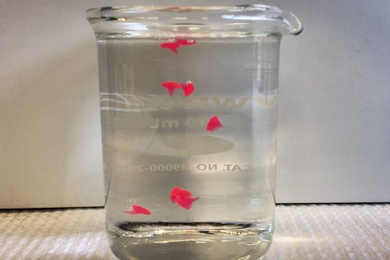
Novel materials made with FDA-approved components could deliver large payloads of active ingredients.
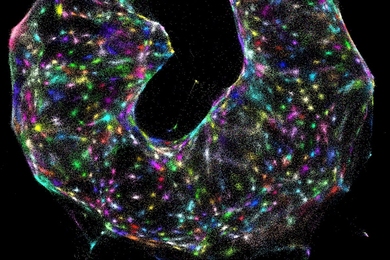
Researchers develop a new microscopy system for creating maps of cells, using chemical reactions to encode spatial information.

New approach quickly finds hidden objects in dense point clouds, for use in driverless cars or work spaces with robotic assistants.

Urban studies research from MIT sheds light on the ways low-income riders use mass transit.
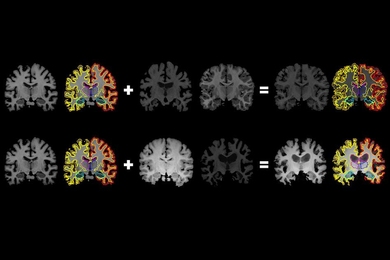
System helps machine-learning models glean training information for diagnosing and treating brain conditions.
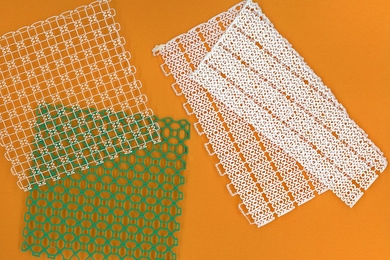
Techniques could lead to personalized wearable and implantable devices.
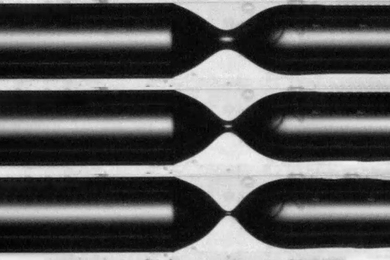
Findings show how to make confined bubbles develop uniformly, instead of in their usual scattershot way.

System automatically writes optimized algorithms to encrypt data in Google Chrome browsers and web applications.
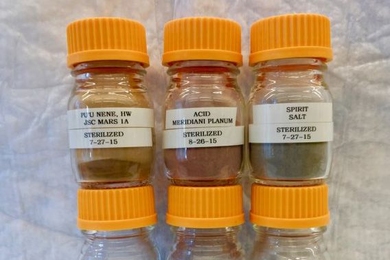
Scientists from the Search for Extra-Terrestrial Genomes instrument team develop method to detect the tiniest traces of life on other planetary bodies.

MIT CSAIL system can learn to see by touching and feel by seeing, suggesting future where robots can more easily grasp and recognize objects.
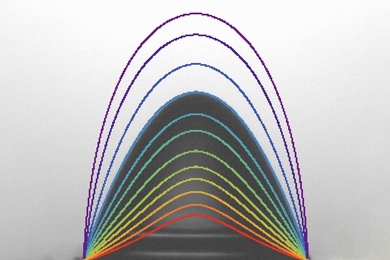
Researchers have found a simple formula that could be useful for air purification, space propulsion, and molecular analyses.

Study shows minerals sequester carbon for thousands of years, which may explain oxygen’s abundance in the atmosphere.
By introducing a gene variant associated with autism into monkeys, researchers hope to study treatment options for severe neurodevelopmental disorders.

Neuroscientists trace a brain circuit that filters unwanted sensory input.