
Study provides suggestions for keeping classroom air fresh
MIT team looks at classroom configurations and offers modifications to enhance safety during Covid-19 pandemic.
MIT team looks at classroom configurations and offers modifications to enhance safety during Covid-19 pandemic.

The commonplace phenomenon, now quantified for the first time, could be harnessed for many useful applications.
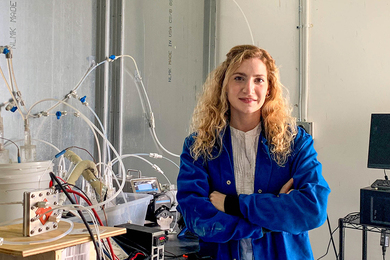
MIT team produces practical guidelines for generating hydrogen using scrap aluminum.

Researchers observe a “warming bias” over the past 66 million years that may return if ice sheets disappear.
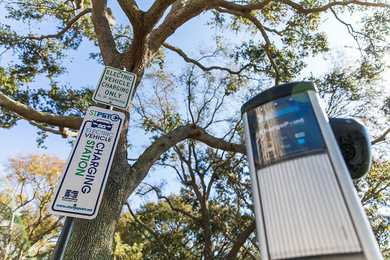
An MIT study gauges the pace of shifting to battery power.

After nearly a decade, an interdisciplinary collaboration to model a 3D spider web leads to many surprising results.
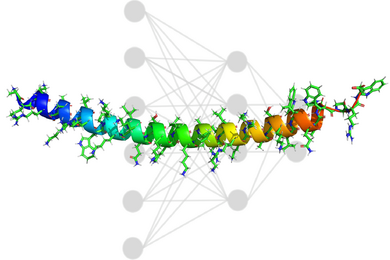
MIT researchers employ machine learning to find powerful peptides that could improve a gene therapy drug for Duchenne muscular dystrophy.
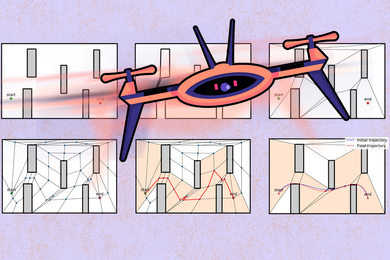
New algorithm could enable fast, nimble drones for time-critical operations such as search and rescue.
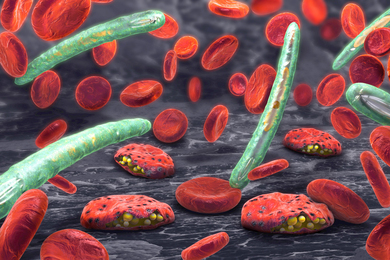
Blocking a key enzyme could kill parasites that have evolved resistance to existing drugs.

Probabilistic programming language allows for fast, error-free answers to hard AI problems, including fairness.

A new adhesive that mimics the sticky substance barnacles use to cling to rocks may offer a better way to treat traumatic injuries.
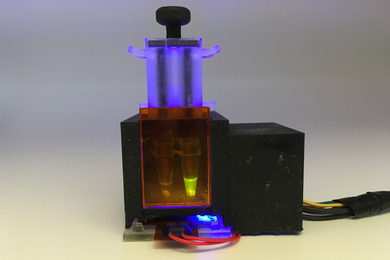
The tabletop diagnostic yields results in an hour and can be programmed to detect variants of the SARS-CoV-2 virus.
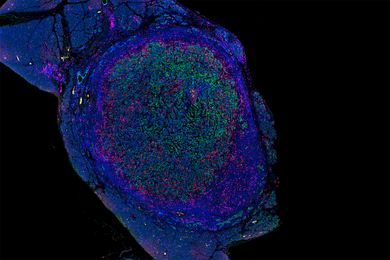
Researchers find three immunotherapy drugs given together can eliminate pancreatic tumors in mice.
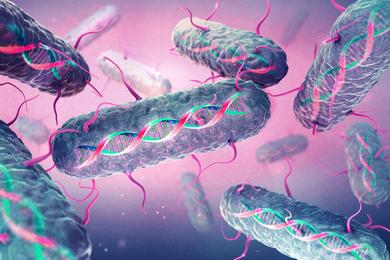
Technique for editing bacterial genomes can record interactions between cells, may offer a way to edit genes in the human microbiome.

Two research projects on the design of state-of-the-art hardware could one day power next-generation 5G and 6G mobile networks.