Researching extreme environments
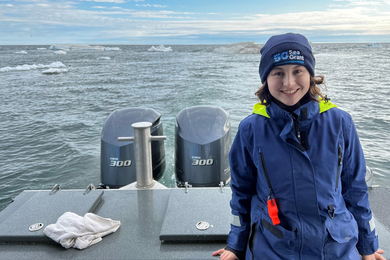
PhD candidate Emma Bullock studies the local and global impacts of changing mineral levels in Arctic groundwater.
PhD candidate Emma Bullock studies the local and global impacts of changing mineral levels in Arctic groundwater.
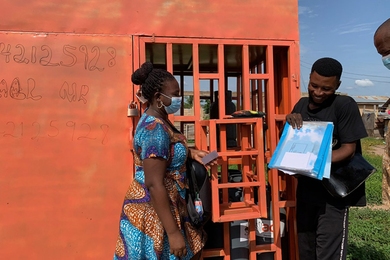
Since 2020, K-CAI has innovated and tested climate policies in more than 35 countries and supported scale-ups that have reached over 15 million people.
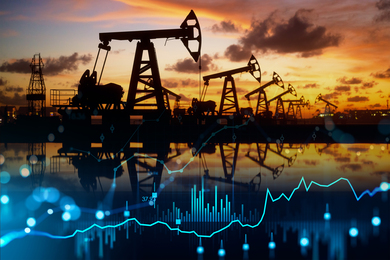
Amplified Industries, founded by Sebastien Mannai SM ’14, PhD ’18, helps oil field operators eliminate spills and stop methane leaks.
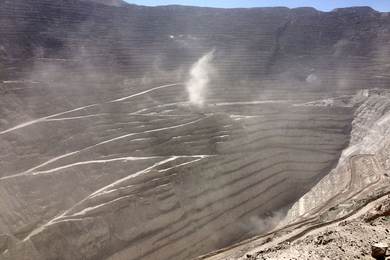
Extractive industries threaten water, glaciers, and livelihoods, but new research offers hope.
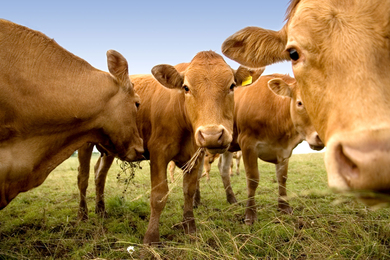
Too much livestock on a given amount of land can lead to carbon losses, but appropriate numbers can actually help sequester the carbon.
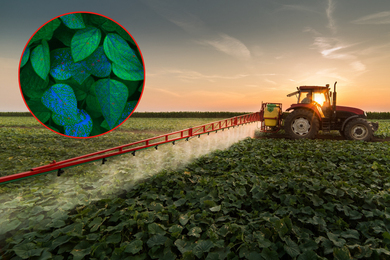
In field tests, MIT spinoff AgZen demonstrated that its feedback-optimized spraying system could halve the pesticide needs of farms and improve crop yields.
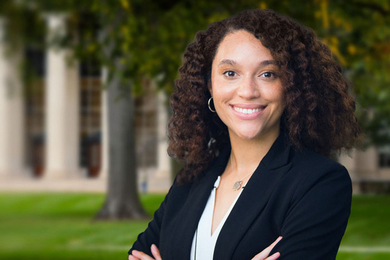
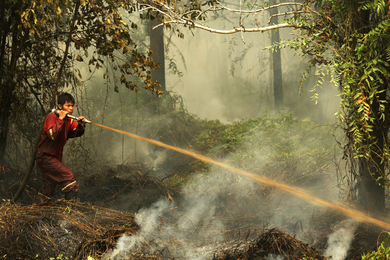
Research in Southeast Asia quantifies how much wildfire smoke hurts peoples’ moods; finds the effect is greater when fires originate in other countries.
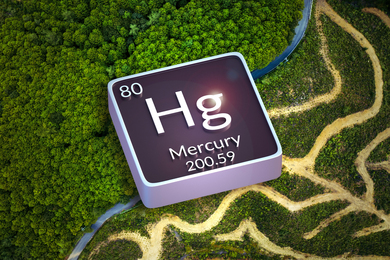
Scientists quantify a previously overlooked driver of human-related mercury emissions.
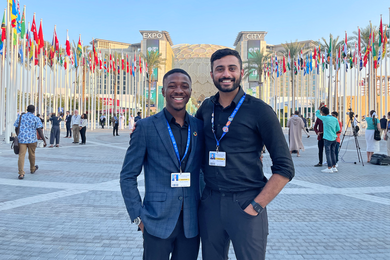
MIT delegates share observations and insights from the largest-ever UN climate conference.
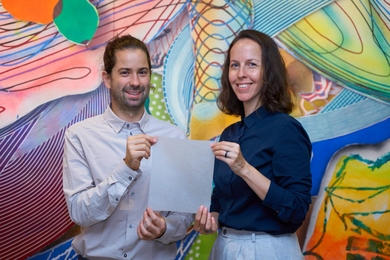
Atacama Biomaterials, co-founded by Paloma Gonzalez-Rojas SM ’15, PhD ’21, combines architecture, machine learning, and chemical engineering to create eco-friendly materials.
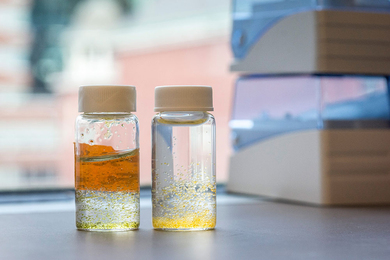
MIT chemical engineers create a zwitterionic hydrogel system for single-step water treatment with minimal environmental footprint.
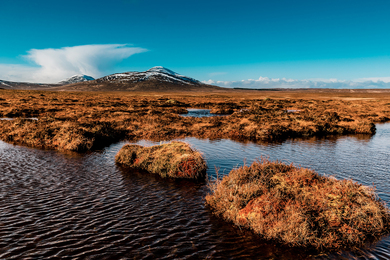
The technique could enable restoration efforts and doesn’t require labor-intensive onsite sampling.

Professor Haruko Wainwright describes a new effort to communicate information about managing and disposing of spent fuel from nuclear reactors.

While useful for killing pathogens including SARS-CoV-2, the lights may cause unwanted chemical reactions and should be used with ventilation, researchers say.