
Study: Fusion energy could play a major role in the global response to climate change
Experts in energy systems modeling and fusion technology explore the future role of fusion at various costs and carbon constraints.
Experts in energy systems modeling and fusion technology explore the future role of fusion at various costs and carbon constraints.
One of the largest MIT clubs sees itself as “the umbrella of all things related to energy and climate on campus.”
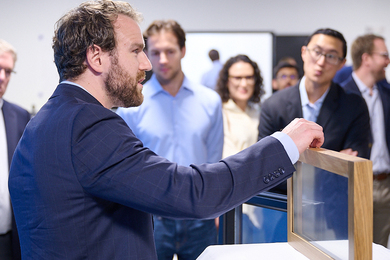
MIT startup AeroShield has opened a new facility for manufacturing highly insulating windows that will reduce building energy use and cut carbon emissions.
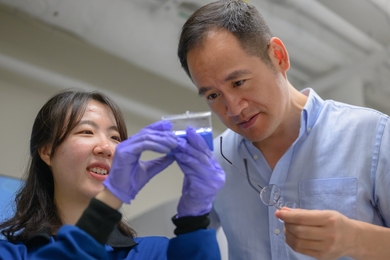
MIT researchers have found a way to make structural materials last longer under the harsh conditions inside a fusion reactor.
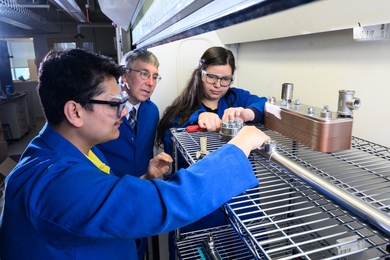
MIT researchers show a promising plan for using clean-burning hydrogen in place of the diesel fuel now used in most freight-transport trucks.
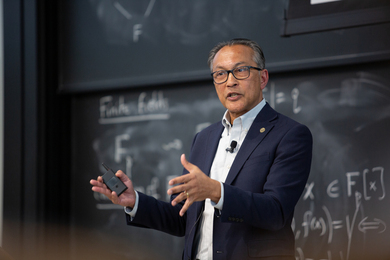
At the 2024 Earth Day Colloquium, World Resource Institute President and CEO Ani Dasgupta says systemic changes in a handful of countries will be critical to meeting global emissions goals.
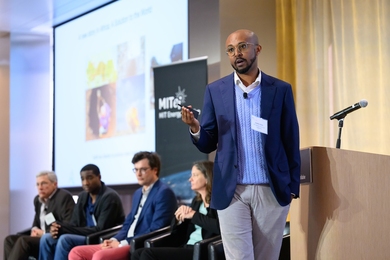
At the 2024 MIT Energy Iniative Spring Symposium, experts weighed whether hydrogen stored in the earth might be a practical energy source of the future.


In his new role, the professor of chemical engineering plans to speed up the consensus process among academics, business leaders, and policymakers for a successful energy transition.
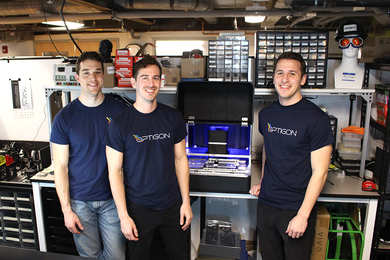
With laser-based precision tools for measuring and tuning materials, MIT spinout Optigon aims to rev up the energy transition.

Professor of applied economics Catherine Wolfram balances global energy demands and the pressing need for decarbonization.

A catalyst tethered by DNA boosts the efficiency of the electrochemical conversion of CO2 to CO, a building block for many chemical compounds.
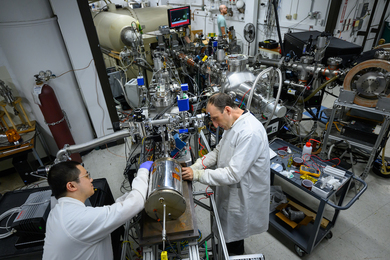
MIT researchers show that using the right metals could alleviate the corrosion problem in these promising new reactor designs.

At the 2024 MIT Energy Conference, participants grappled with the key challenges and trends shaping our fight to prevent the worst effects of climate change.