From Idaho to MIT, on a quest to cut methane emissions
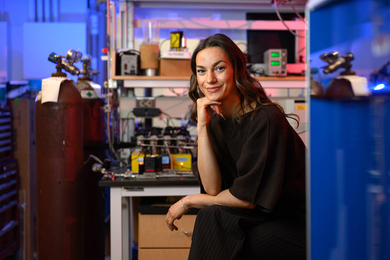
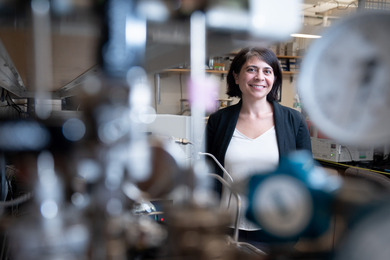
PhD student Audrey Parker studies methane mitigation strategies in dairy farms and coal mines, to reduce emissions of the potent greenhouse gas.
Global Change Outlook report for 2025 shows how accelerated action can reduce climate risks and improve sustainability outcomes, while highlighting potential geopolitical hurdles.
Mantel, founded by MIT alumni, developed a system that captures CO2 from factories and power plants while delivering steam to customers.
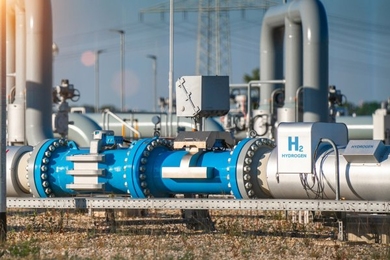
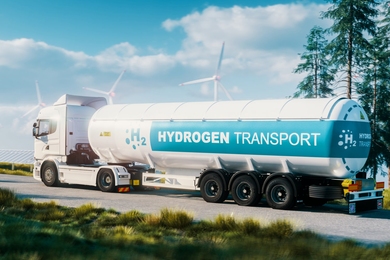
MIT study confirms the climate impacts of hydrogen, recommends leak prevention be a priority as infrastructure for handling this clean-burning fuel is built.
The MIT Electric Vehicle Team, Sustainable Engine Team, Solar Electric Vehicle Team, Motorsports Team, First Nations Launch Team, and Arcturus are each doing their part to improve the health of our planet.
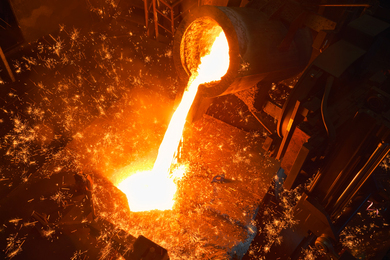
MIT spinout Boston Metal is commercializing a new method for making steel and other metals, to help clean up the emissions-intensive industry.
MIT researchers are developing a system for reducing emissions of the potent greenhouse gas at dairy farms and other sites.
The technique could enable restoration efforts and doesn’t require labor-intensive onsite sampling.
Series of 2030 quantitative campus impact goals aims to reduce emissions and inform and advance the Institute’s commitment to climate.
2023 Global Change Outlook from the MIT Joint Program on the Science and Policy of Global Change quantifies benefits of policies that cap global warming at 1.5 C.
Inaugural Fast Forward Faculty Fund grants aim to spur new work on climate change and deepen collaboration at MIT.
Desirée Plata is on a lifelong mission to make sustainability a bigger factor in design decisions.
The MIT and Accenture Convergence Initiative for Industry and Technology selects three new research projects to support.
Assistant Professor Cathy Wu is addressing traffic control problems by leveraging deep reinforcement learning.
Study shows that cities’ plans often won’t achieve their goals, but decarbonizing the local grid could make the difference.