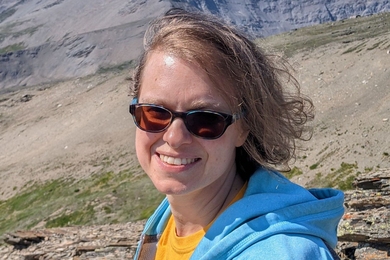
3 Questions: Thea Keith-Lucas on ministering to the MIT community
Chaplain to the Institute and associate dean of the Office of Religious, Spiritual, and Ethical Life reflects on the office’s priorities and how the community still surprises her.
Chaplain to the Institute and associate dean of the Office of Religious, Spiritual, and Ethical Life reflects on the office’s priorities and how the community still surprises her.
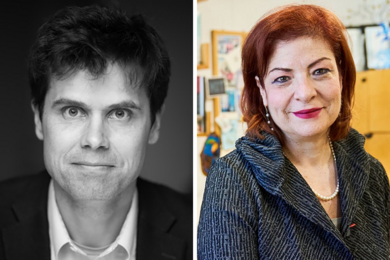
The faculty members will work together to advance the cross-cutting initiative of the MIT Schwarzman College of Computing.

New research ties inaccuracies in pulse oximeter readings to racial disparities in treatment and outcomes.

The MIT Museum director describes how the museum is reinventing itself for the 21st century.
“Interpretability methods” seek to shed light on how machine-learning models make predictions, but researchers say to proceed with caution.

Methods that make a machine-learning model’s predictions more accurate overall can reduce accuracy for underrepresented subgroups. A new approach can help.
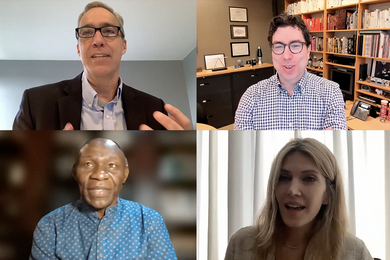
The second AI Policy Forum Symposium convened global stakeholders across sectors to discuss critical policy questions in artificial intelligence.

In annual T.T. and W.F. Chao Distinguished Buddhist Lecture Series, Baker takes up “Environment, Ethics and Embodiment: Buddhist Approaches to Climate Change.”

MIT political science master’s student Milain Fayulu is building brands to bring change to his home country.

MIT's Council for the Uncertain Human Future convenes small circle groups to reckon with the climate crisis in solidarity.
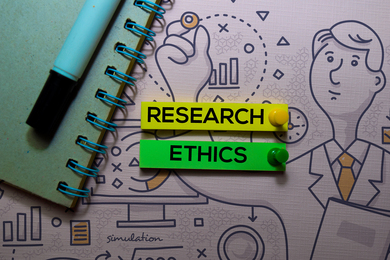
PhD candidate Jonathan Zong found a lack of systems that earn and maintain public trust in large-scale online research — so he made one himself.
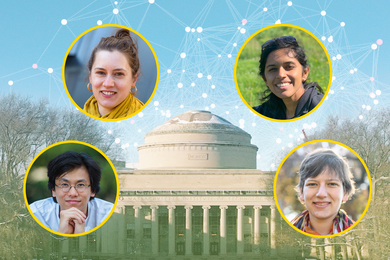
A multidisciplinary team of graduate students helps infuse ethical computing content into MIT’s largest machine learning course.
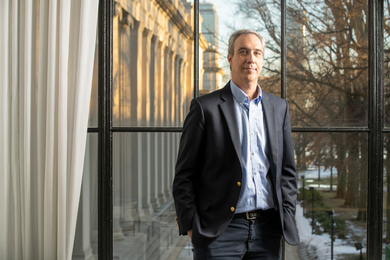
For the MIT Schwarzman College of Computing dean, bringing disciplines together is the best way to address challenges and opportunities posed by rapid advancements in computing.
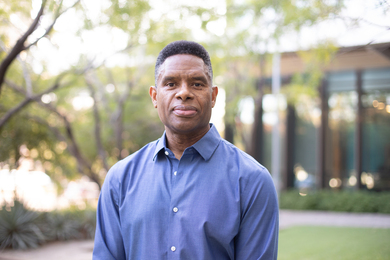
MLK Visiting Professor S. Craig Watkins looks beyond algorithm bias to an AI future where models more effectively deal with systemic inequality.
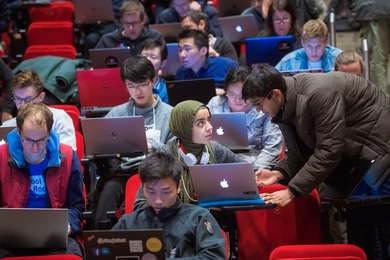
The Social and Ethical Responsibilities of Computing publishes a collection of original pedagogical materials developed for instructional use on MIT OpenCourseWare.