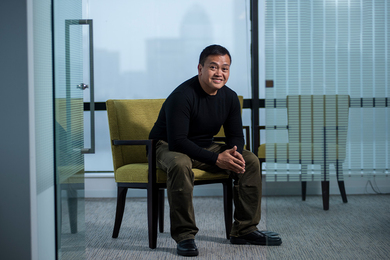
Joining the battle against health care bias
Leo Anthony Celi invites industry to broaden its focus in gathering and analyzing clinical data for every population.
Leo Anthony Celi invites industry to broaden its focus in gathering and analyzing clinical data for every population.

J-PAL North America is developing a strategic vision — informed by a new racial equity advisory committee — to advance inclusion, prioritize racial equity in research, and promote equitable and inclusive research practices in its network.
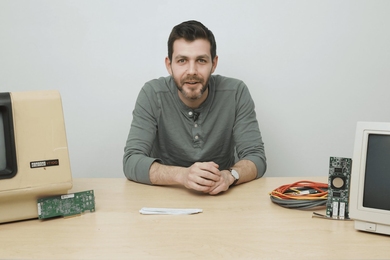
The CSAIL scientist describes natural language processing research through state-of-the-art machine-learning models and investigation of how language can enhance other types of artificial intelligence.
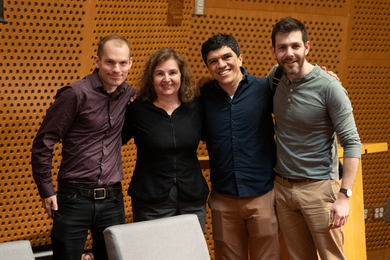
Experts convene to peek under the hood of AI-generated code, language, and images as well as its capabilities, limitations, and future impact.
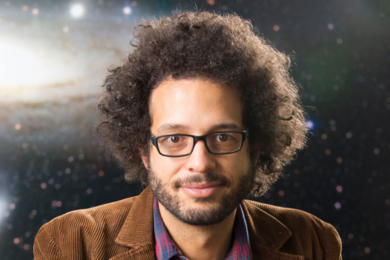
Martin Luther King Jr. Scholar Brian Nord trains machines to explore the cosmos and fights for equity in research.
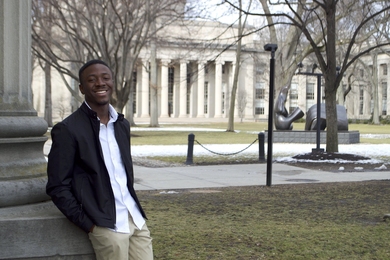
Environmental engineering major Runako Gentles seeks to lead projects that increase harmony between society and the environment.
Aleksander Mądry urges lawmakers to ask rigorous questions about how AI tools are being used by corporations.
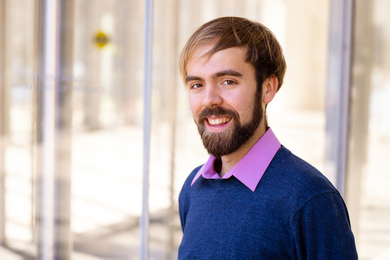
The computer science and philosophy double-major aims to advance the field of AI ethics.

The role-playing game “On the Plane” simulates xenophobia to foster greater understanding and reflection via virtual experiences.
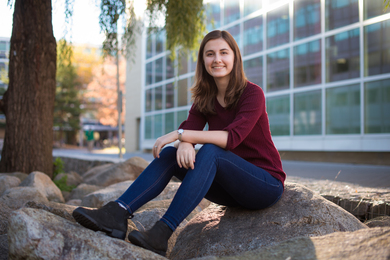
Philosophy PhD student Eliza Wells investigates how our social roles influence our moral lives.
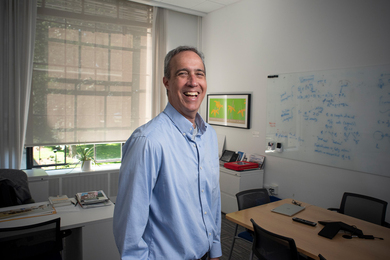
Dan Huttenlocher is a professor of electrical engineering and computer science and the inaugural dean at MIT Schwarzman College of Computing.

MIT’s inaugural Bearing Witness, Seeking Justice conference explores video’s role in the struggle over truth and civil liberties.

Aleksander Madry, Asu Ozdaglar, and Luis Videgaray, co-chairs of the AI Policy Forum, discuss key issues facing the AI policy landscape today.
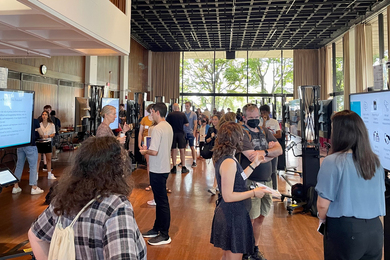
In MIT’s Experiential Ethics summer course, students grapple with real-world ethical decision making, often while interning in the very fields they’re studying.
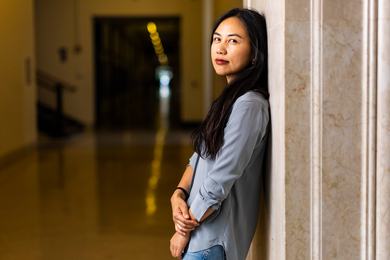
Danielle Li takes a close look at scientific practices and organizational decisions — and provides data about improving them.