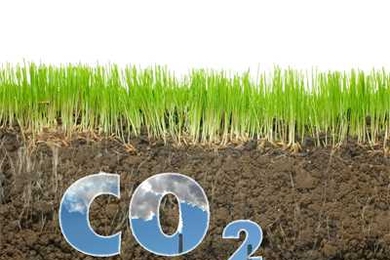
Figuring out where to put the carbon
If we plan to keep using fossil fuels, we need to figure out how to sequester the resulting carbon dioxide. New tools from MIT could help evaluate where to do it — and how to keep it contained.
If we plan to keep using fossil fuels, we need to figure out how to sequester the resulting carbon dioxide. New tools from MIT could help evaluate where to do it — and how to keep it contained.
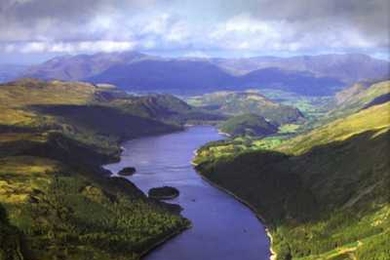
MIT historian Harriet Ritvo explains how a battle to save an English lake helped found modern environmentalism — but might worry greens today
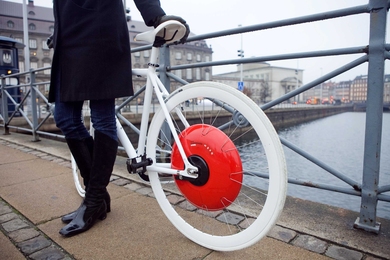
New bicycle wheel not only boosts power, but also can keep track of friends, fitness, smog and traffic
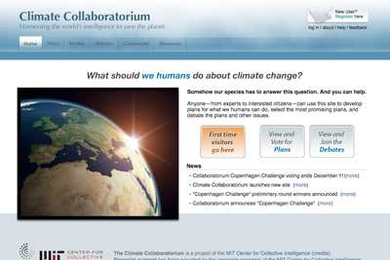
Climate Collaboratorium lets the public review the impacts of plans now being discussed and debated internationally
At Dec. 10 forum, MIT faculty experts discussed what 'Climategate' really means for climate science and the ongoing policy negotiations in the Congress and at Copenhagen.
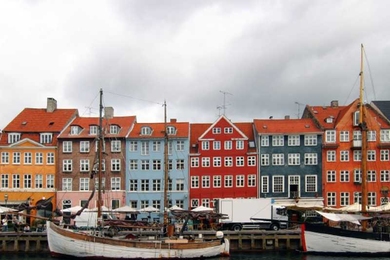
Delegation of MIT professors, students and alumni attend historic global warming conference to present research and report on event
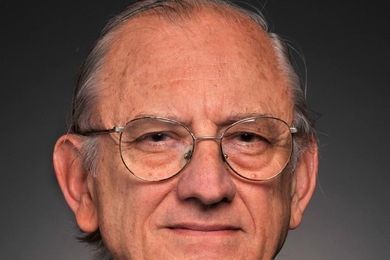
The co-director of MIT’s Global Change program discusses what to expect from the U.N. Climate Change Conference, and the effects of ‘Climategate’
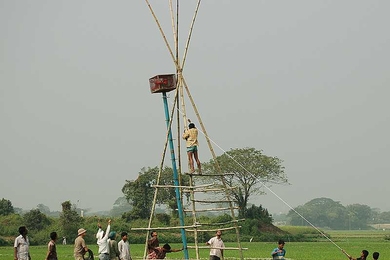
Research points to carbon in man-made ponds as catalyst for arsenic contamination in Bangladeshi wells
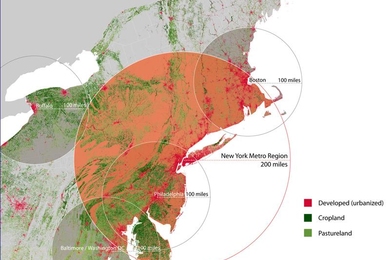
MIT researchers think America's obesity epidemic can be reversed via ‘foodsheds,’ in which healthier, more affordable food is produced and consumed regionally.
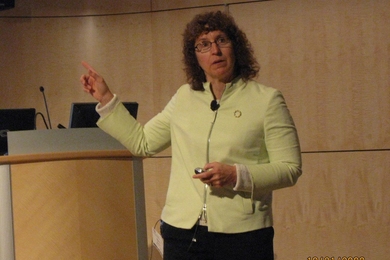
On Oct. 22-23, MIT faculty and industry leaders discussed the need for a systems-based approach to tackle complex challenges such as health care, energy, and the environment at the 2009 MIT conference on systems thinking for contemporary challenges.

Judith Layzer says there’s no easy way out when it comes to climate change — but that geo-engineering might be a last-ditch solution.