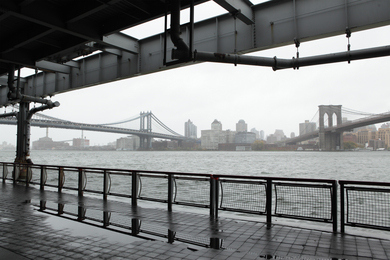
New tool predicts flood risk from hurricanes in a warming climate
Using New York as a test case, the model predicts flooding at the level experienced during Hurricane Sandy will occur roughly every 30 years by the end of this century.
Using New York as a test case, the model predicts flooding at the level experienced during Hurricane Sandy will occur roughly every 30 years by the end of this century.

The MIT Orbital Capacity Assessment Tool lets users model the long-term future space environment.
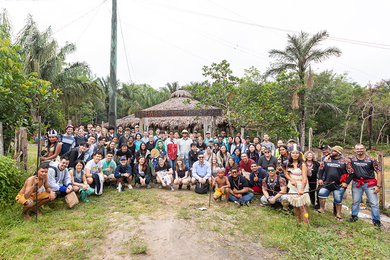
In a new documentary film, music’s storytelling power illuminates cultural and environmental sustainability in Brazil.
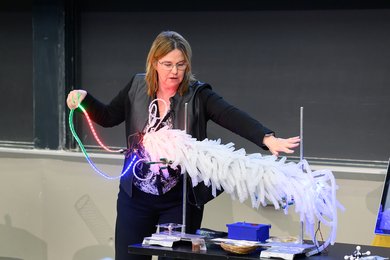
MIT professor combines nanoscience and viruses to develop solutions in energy, environment, and medicine.

The technique could enable restoration efforts and doesn’t require labor-intensive onsite sampling.
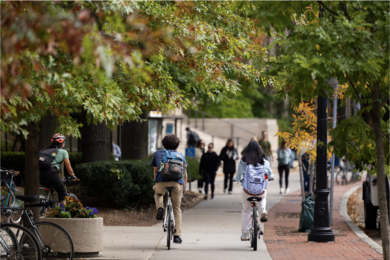
Series of 2030 quantitative campus impact goals aims to reduce emissions and inform and advance the Institute’s commitment to climate.
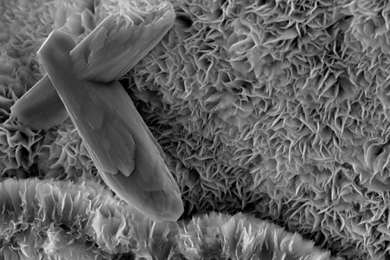
An accordion-textured clay called smectite efficiently traps organic carbon and could help buffer global warming over millions of years.
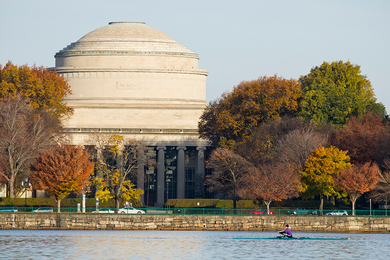
Inaugural Fast Forward Faculty Fund grants aim to spur new work on climate change and deepen collaboration at MIT.
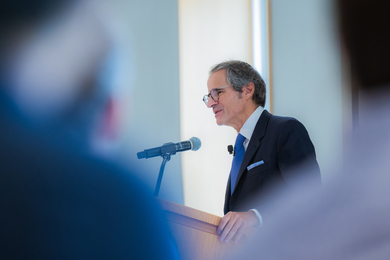
At MIT, the head of the International Atomic Energy Agency addresses the world’s urgent energy and environmental challenges.
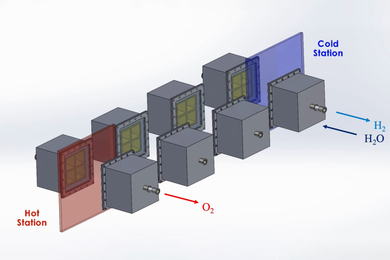
Conventional systems for producing hydrogen depend on fossil fuels, but the new system uses only solar energy.

MIT PhD student Alexander O’Brien is working to deliver the next generation of fusion devices through research on additive manufacturing of metal-ceramic composites.

Through community-based research with organizations that work to “hoʻomomona hou i ka ʻāina,” or “restore that which feeds back to abundance,” PhD student Aja Grande has embarked on a healing journey of her own.
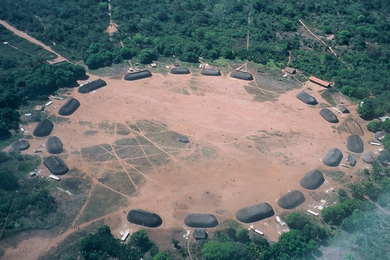
The rich soil holds thousands of tons of carbon, sequestered over centuries by indigenous practices, a new study suggests.
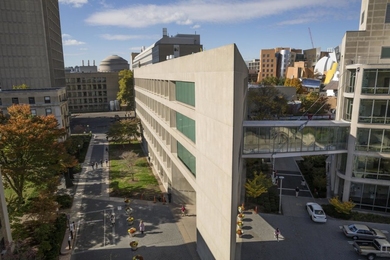
A cross-departmental team is leading efforts to utilize machine learning for increased efficiency in heating and cooling MIT’s buildings.

The PhD student is honing algorithms for designing large structures with less material — helping to shrink the construction industry’s huge carbon footprint.