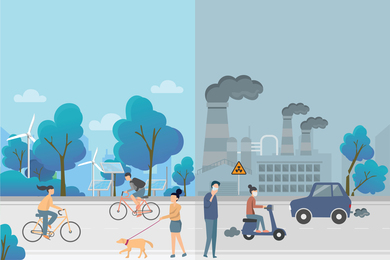
When companies “go green,” air quality impacts can vary dramatically
Cutting air travel and purchasing renewable energy can lead to different effects on overall air quality, even while achieving the same CO2 reduction, new research shows.
Cutting air travel and purchasing renewable energy can lead to different effects on overall air quality, even while achieving the same CO2 reduction, new research shows.
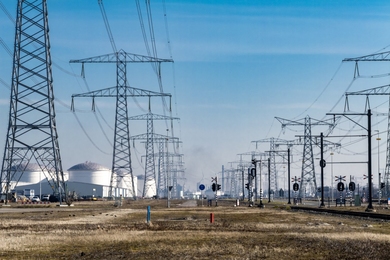
Macro, a modeling tool developed by the MIT Energy Initiative, enables energy-system planners to explore options for developing infrastructure to support decarbonized, reliable, and low-cost power grids.
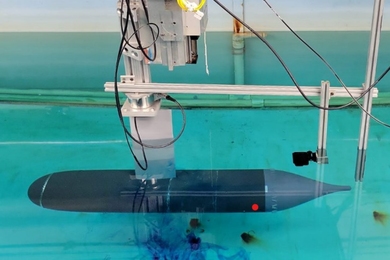
Wedge-shaped vortex generators reduce drag in ship hulls, which could advance decarbonization for the shipping industry.

Four MIT alumni say their startup, Amogy, has the technology to help decarbonize maritime shipping, power generation, manufacturing, and more.
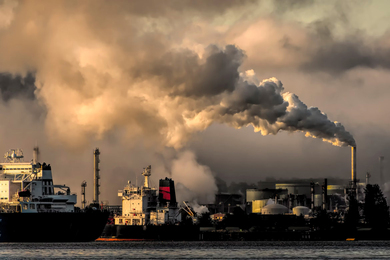
Mantel, founded by MIT alumni, developed a system that captures CO2 from factories and power plants while delivering steam to customers.
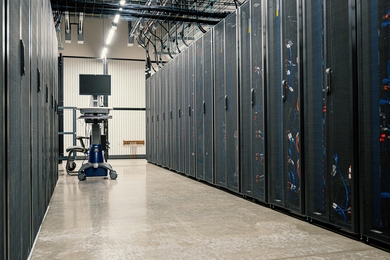
MIT faculty and MITEI member company experts address power demand from data centers.
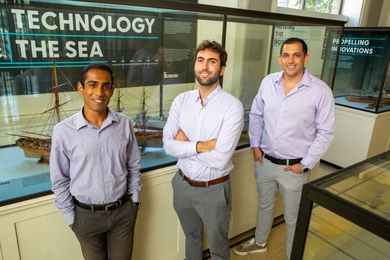
First-of-its-kind handbook serves as a guide for design safety for civilian nuclear ships.
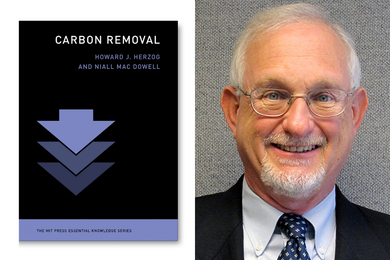
In “Carbon Removal,” Howard Herzog and Niall MacDowell assess proposed methods of removing carbon already in the atmosphere as a means of mitigating climate change.
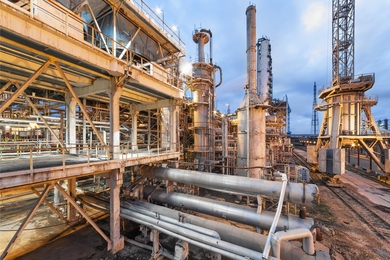
Proposed system would combine two kinds of plants, creating greater efficiency and lowering costs while curbing climate-changing emissions.
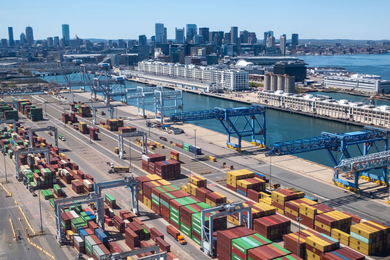
Analysis from MIT’s Center for Transportation and Logistics finds companies are still acting to reduce emissions, but often lag in measurement techniques.

Explosive growth of AI data centers is expected to increase greenhouse gas emissions. Researchers are now seeking solutions to reduce these environmental harms.

A lantern created in the Design Intelligence Lab creates sustainable alternatives for consumer electronics.

J-PAL North America’s inaugural Climate Action Learning Lab provided six U.S. cities and states with customized training and resources to leverage data and evaluation to advance climate solutions that work.
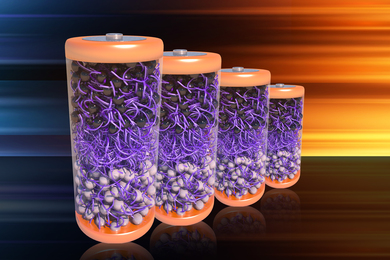
MIT researchers designed an electrolyte that can break apart at the end of a battery’s life, allowing for easier recycling of components.

New research shows the natural variability in climate data can cause AI models to struggle at predicting local temperature and rainfall.