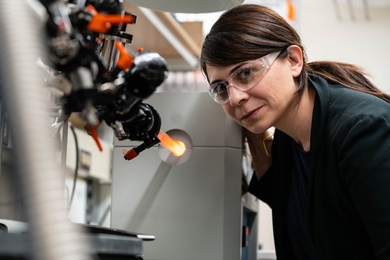
Desirée Plata appointed associate dean of engineering
Faculty member in civil and environmental engineering will advance research and entrepreneurial initiatives across the School of Engineering.
Faculty member in civil and environmental engineering will advance research and entrepreneurial initiatives across the School of Engineering.

Co-founded by Dan Sobek ’88, SM ’92, PhD ’97, 1s1 Energy has developed electrochemical cell materials for hydrogen electrolyzers that it says reduces energy use by 30 percent.

A new study pieces together existing data sources in order to develop a detailed, dynamic picture of auto emissions.

A new model shows how levels of the “atmosphere’s detergent” may rise and fall in response to climate change.
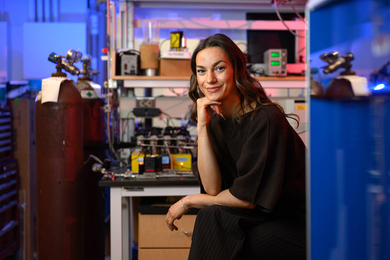
PhD student Audrey Parker studies methane mitigation strategies in dairy farms and coal mines, to reduce emissions of the potent greenhouse gas.
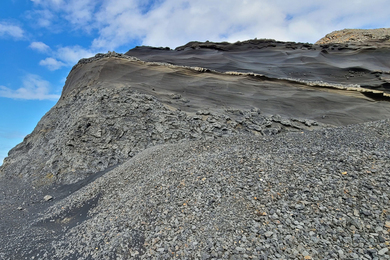
New research by MIT geophysicists could assist efforts to remove carbon from the atmosphere and store it underground.

In research that could help elucidate humans’ role in global warming, scientists showed how three major natural events impacted global atmospheric temperatures.

By minimizing the need to drive around looking for a parking spot, this technique can save drivers up to 35 minutes — and give them a realistic estimate of total travel time.
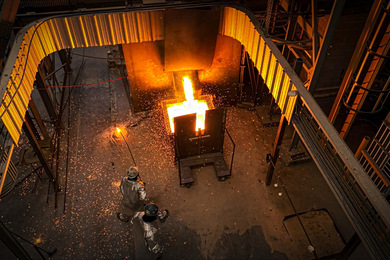
Hertha Metals, founded by Laureen Meroueh SM ’18, PhD ’20, uses an electric arc furnace, powered by natural gas and electricity, to melt and reduce low-grade iron ore in a single step.
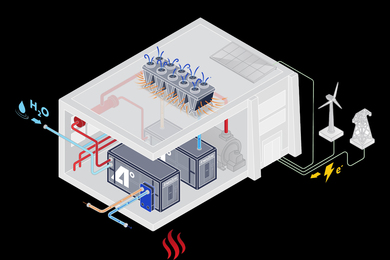
AtmosZero, co-founded by Addison Stark SM ’10, PhD ’14, developed a modular heat pump to electrify the centuries-old steam boiler.

MIT Energy Initiative researchers calculated the economic and environmental impact of future ammonia energy production and trade pathways.

Images from geostationary satellites alone aren’t enough to help planes avoid contrail-prone regions, MIT researchers report.

Global Change Outlook report for 2025 shows how accelerated action can reduce climate risks and improve sustainability outcomes, while highlighting potential geopolitical hurdles.
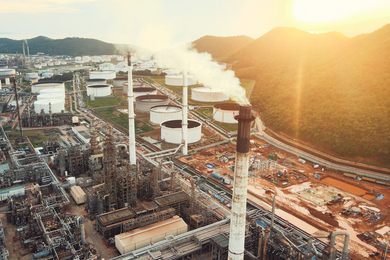
Chemical engineers have found a simple way to make capturing carbon emissions from industrial plants more energy-efficient.

The project was designed and built with novel “bio-composite” materials developed by the student team.