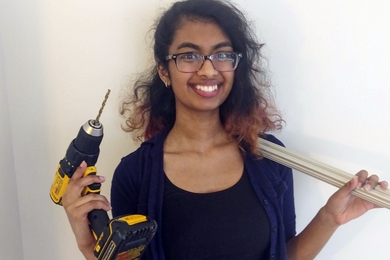
At home with fusion research
Hundreds of miles from campus, Sreya Vangara recalibrates her approach to laboratory research and other MIT commitments.
Download RSS feed: News Articles / In the Media / Audio
Hundreds of miles from campus, Sreya Vangara recalibrates her approach to laboratory research and other MIT commitments.
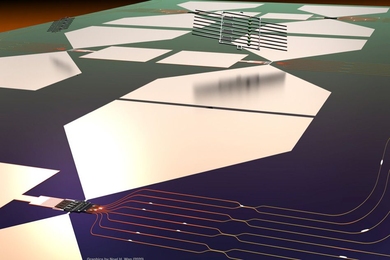
MIT engineers develop a hybrid process that connects photonics with “artificial atoms,” to produce the largest quantum chip of its type.

Annual MITEI awards support research on battery storage, smart grids, and carbon emissions reduction.
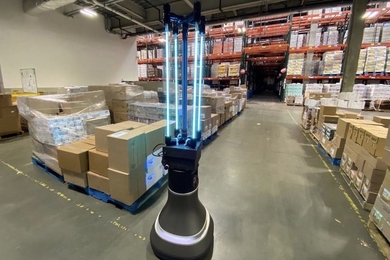
Using UV-C light, the system can disinfect a warehouse floor in half an hour — and could one day be employed in grocery stores, schools, and other spaces.

A modern-day Renaissance man, Hawley pioneered the internet of things, won the Van Cliburn amateur piano competition, and published the world’s largest book.

Music gesture artificial intelligence tool developed at the MIT-IBM Watson AI Lab uses body movements to isolate the sounds of individual instruments.
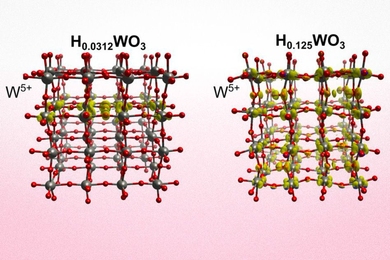
Ion-based technology may enable energy-efficient simulations of the brain’s learning process, for neural network AI systems.
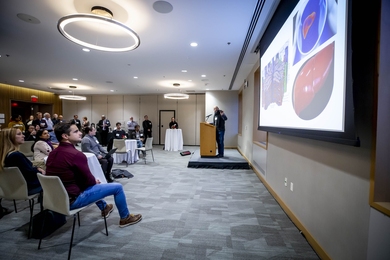
Research projects will harness the power of artificial intelligence to positively impact human health.

Researchers capture our shifting gaze in a model that suggests how to prioritize visual information based on viewing duration.
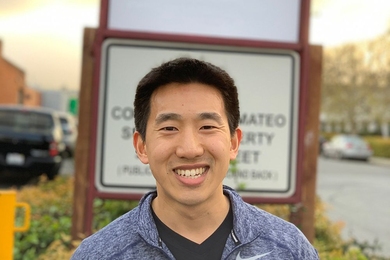
“The inventions and technical advancements of Swift Solar have the opportunity to revolutionize the format of solar photovoltaic technology.”

Ranked at the top for the ninth straight year, the Institute also places first in 12 subject areas.
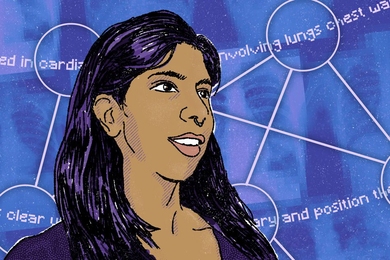
PhD student Geeticka Chauhan draws on her experiences as an international student to strengthen the bonds of her MIT community.

Longtime professor of electrical engineering was also a transformative director of the MIT Laboratory for Information and Decisions Systems.
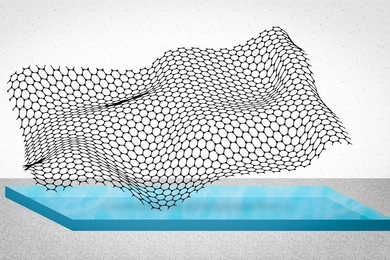
New roll-to-roll production method could enable lightweight, flexible solar devices and a new generation of display screens.

MIT CSAIL researchers say improving computing technology after Moore's Law will require more efficient software, new algorithms, and specialized hardware.