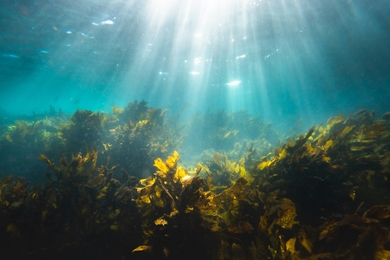
Marine bacteria team up to break down one of the ocean's toughest carbon-storing molecules
Researchers reveal how communities of marine bacteria divide the task of degrading fucoidan, a key player in ocean carbon storage.
Researchers reveal how communities of marine bacteria divide the task of degrading fucoidan, a key player in ocean carbon storage.
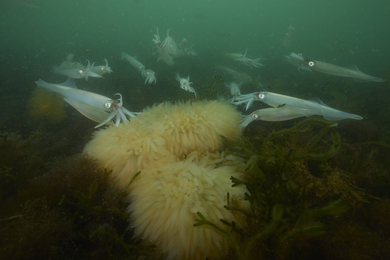
MIT Sea Grant resident artist and acclaimed underwater photographer Keith Ellenbogen captures an intimate look at courtship and communication in a hidden spawning spectacle off Cape Cod.

As sea levels rise and saltwater seeps into freshwater, stressed aquatic populations may retain overall growth even as diversity declines, MIT scientists find.
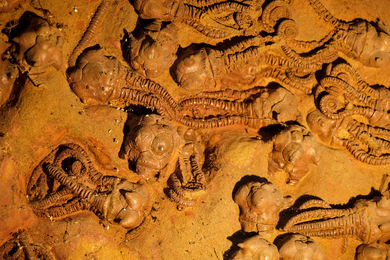
A new model links Earth’s mass extinctions to mismatches between rates of environmental change and biological adaptation.
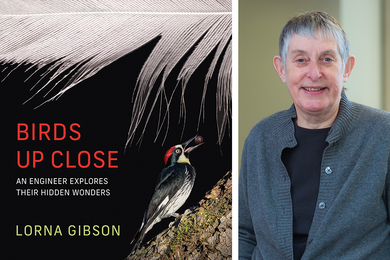
In her new book, “Birds Up Close,” MIT materials engineer Lorna Gibson explores feathers, bones, bills, eggs, and flight, and the mechanics behind birds’ extraordinary abilities.
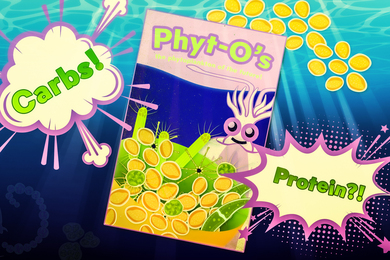
With warmer ocean temperatures, the composition of marine plankton could shift from protein-rich to carb-heavy, a new study suggests.
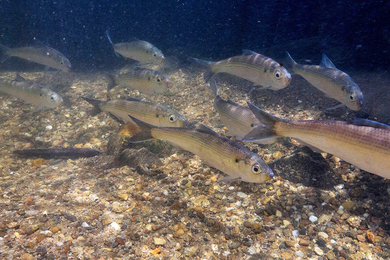
MIT Sea Grant works with the Woodwell Climate Research Center and other collaborators to demonstrate a deep learning-based system for fish monitoring.
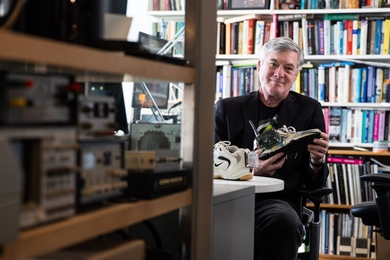
From early motion-sensing platforms to environmental monitoring, the professor and head of the Program in Media Arts and Sciences has turned decades of cross-disciplinary research into real-world impact.
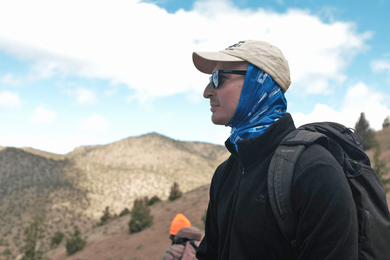
MIT PhD student and CSAIL researcher Justin Kay describes his work combining AI and computer vision systems to monitor the ecosystems that support our planet.
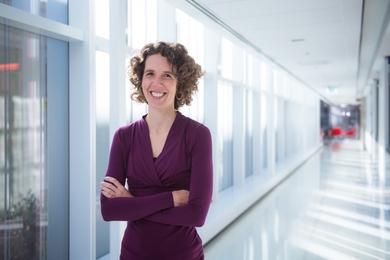
McRose, an environmental microbiologist, is recognized for researching the ecological roles of antibiotics in shaping ecosystems, agriculture, and health.
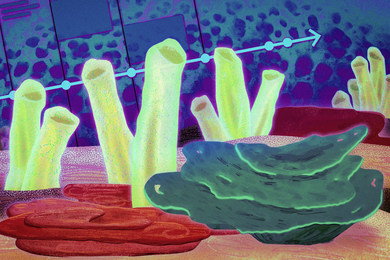
MIT researchers traced chemical fossils in ancient rocks to the ancestors of modern-day demosponges.
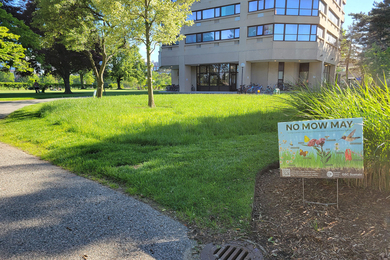
With advocacy from GSC Sustain, the No Mow May project supports pollinator habitats and provides educational opportunities.
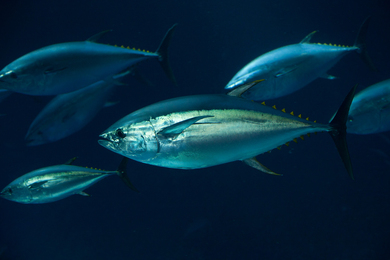
These big fish get most of their food from the ocean’s “twilight zone,” a deep, dark region the commercial fishing industry is eyeing with interest.
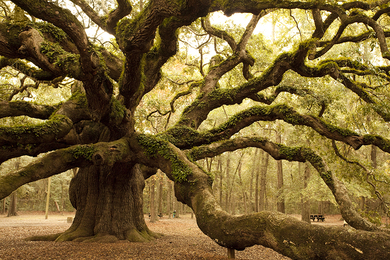
McGovern Institute researchers develop a mathematical model to help define how modularity occurs in the brain — and across nature.

Assistant Professor Sara Beery is using automation to improve monitoring of migrating salmon in the Pacific Northwest.