
New AI programming language goes beyond deep learning
General-purpose language works for computer vision, robotics, statistics, and more.
General-purpose language works for computer vision, robotics, statistics, and more.

MIT CSAIL system can learn to see by touching and feel by seeing, suggesting future where robots can more easily grasp and recognize objects.

Program creates a new hub for pedagogy and research in time-based media.
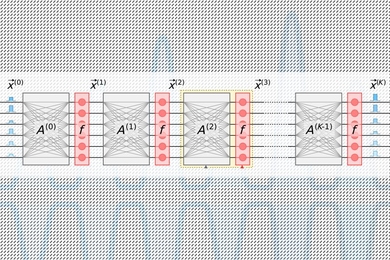
Simulations suggest photonic chip could run optical neural networks 10 million times more efficiently than its electrical counterparts.

Interactive tool lets users see and control how automated model searches work.
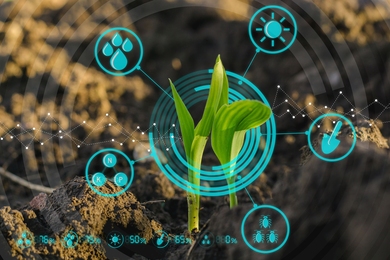
Research from the Institute for Data, Systems, and Society aims to help African farmers increase their production and profits with better prediction.
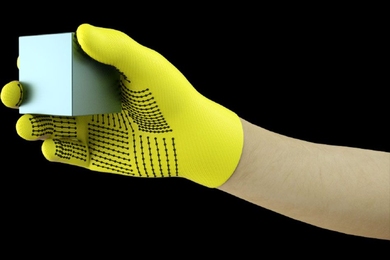
Signals help neural network identify objects by touch; system could aid robotics and prosthetics design.

Working group studies options for creating a new set of faculty hires for MIT’s new college.

Interdisciplinary teams propose creative policy solutions addressing societal challenges at the Institute for Data, Systems, and Society student-organized event.
New tools can find patterns in vast online data to track and identify users on illicit forums.
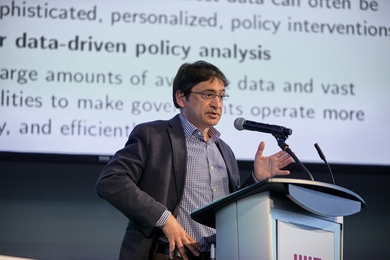
Third annual MIT Statistics and Data Science conference gathers a growing interdisciplinary community of researchers and practitioners.

In some cases, radio frequency signals may be more useful for caregivers than cameras or other data-collection methods.
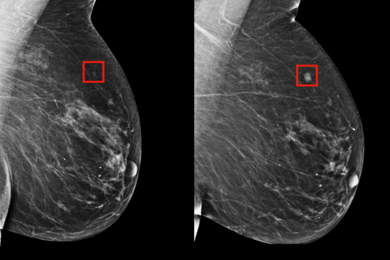
MIT/MGH's image-based deep learning model can predict breast cancer up to five years in advance.
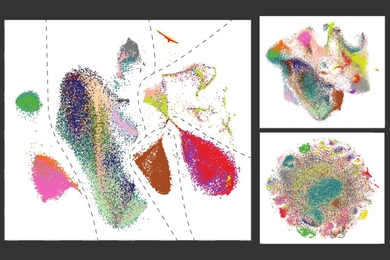
Algorithm stitches multiple datasets into a single “panorama,” which could provide new insights for medical and biological studies.
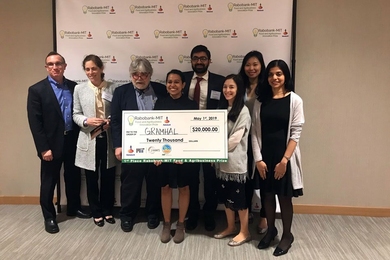
Seven finalist teams pitched their business ideas at the Rabobank-MIT Food and Agribusiness Innovation Prize competition.