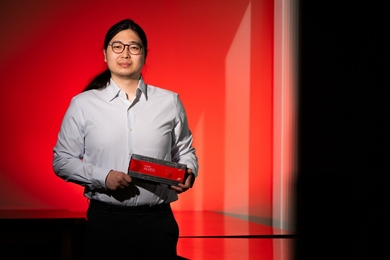
Jeffery Lim wants to open up cloud research
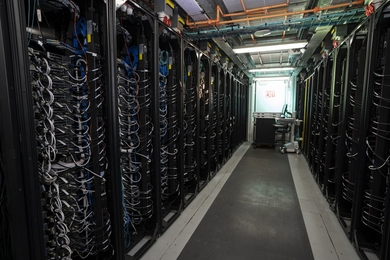
The Lincoln Laboratory scholar developed a hardware platform inspired by proprietary infrastructure, allowing researchers to design and evaluate their cloud technology in a realistic environment.
The Lincoln Laboratory scholar developed a hardware platform inspired by proprietary infrastructure, allowing researchers to design and evaluate their cloud technology in a realistic environment.
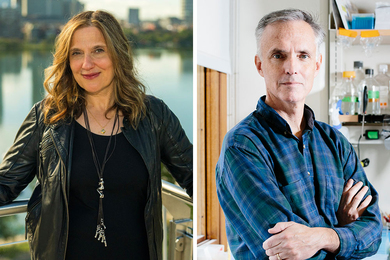
The MIT professors collaborated to identify the first AI-discovered antibiotic, a scientific breakthrough that is widely recognized as a milestone in AI-driven drug discovery.
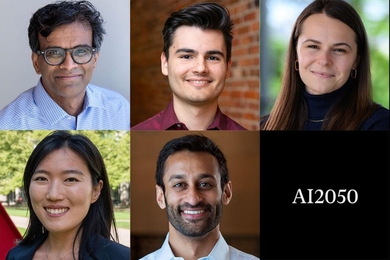
Five MIT faculty members and two additional alumni are honored with fellowships to advance research on beneficial AI.
MIT professors Adam Berinsky and Chara Podimata discuss a new project to track how AI chatbots are responding to questions about the 2026 U.S. midterm elections.
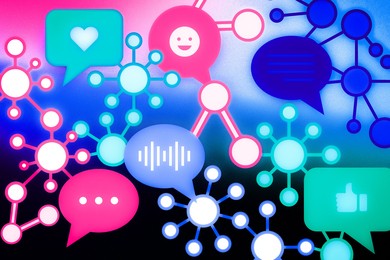
The Social.Wiki framework enables anyone to easily edit social websites within the system, while allowing them to choose the content they see.

Professor Paris Smaragdis develops computers with superhuman hearing for applications like speech recognition, music understanding, and environmental monitoring.
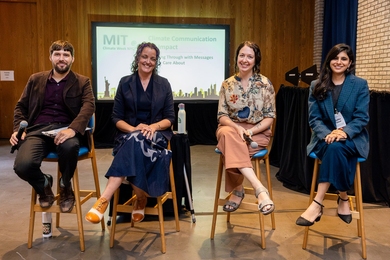
A cross-section of the MIT community convened discussions on topics ranging from data centers and super pollutants to agriculture and education.
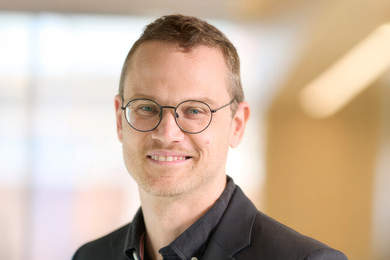
Assistant Professor Benjamin Lindquist studies how engineers deliberately injected randomness into early AI, giving rise to deep-learning models that sometimes hallucinate.
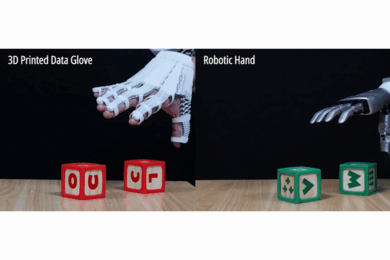
“X-Hinges” helps design and 3D print items like lamps and gloves with an interactive twist: automatically embedded sensors that perceive and adaptively respond to human contact.
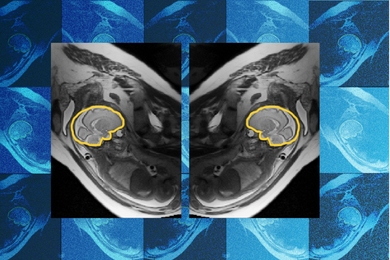
A model developed by researchers at MIT and Boston Children's Hospital adjusts scans on the fly to track fetal movement, potentially sparing families repeat hospital visits.
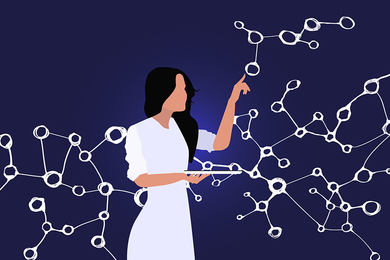
MIT Statistics and Data Science Center Director Alexander (Sasha) Rakhlin shares important considerations for departments and institutions.
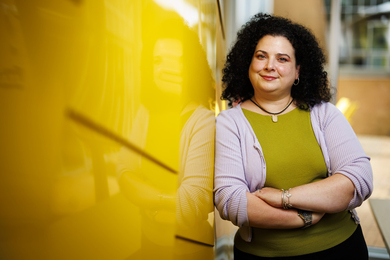
By rethinking how large cloud computing systems operate, Associate Professor Christina Delimitrou seeks to make data centers more energy efficient.

Over two decades at MIT, Hamilton forged new paths in computer science and engineering. Her groundbreaking work included leading the team that programmed the first computers that took humans to the moon.
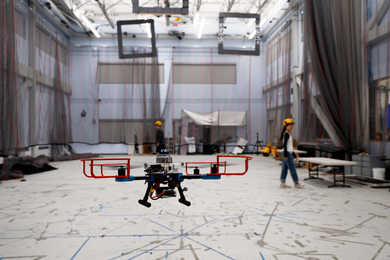
This new method, called “SANDO,” could help disaster-response robots navigate dangerous, unknown environments.
An ongoing survey tracks the latest AI accelerator systems to keep hardware relevant for Lincoln Laboratory staff and sponsors.