
A platform to expedite clean energy projects
Station A, founded by MIT alumni, makes the process of buying clean energy simple for property owners.
Station A, founded by MIT alumni, makes the process of buying clean energy simple for property owners.
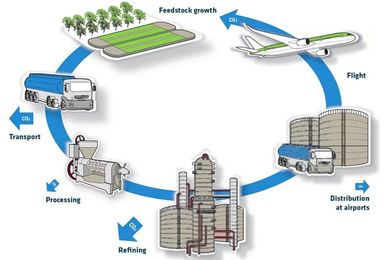
Special report describes targets for advancing technologically feasible and economically viable strategies.

Providing electricity to power-hungry data centers is stressing grids, raising prices for consumers, and slowing the transition to clean energy.

Using the Earth itself as a chemical reactor could reduce the need for fossil-fuel-powered chemical plants.

Rapid development and deployment of powerful generative AI models comes with environmental consequences, including increased electricity demand and water consumption.

By developing new materials for separating a mixture’s components, Zachary Smith hopes to reduce costs and environmental impact across many U.S. industries.
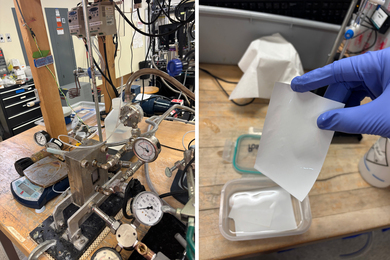
MIT engineers designed a nanofiltration process that could make aluminum production more efficient while reducing hazardous waste.

Professor Jessika Trancik’s course helps students understand energy levers for addressing climate change at the macro and micro scales.
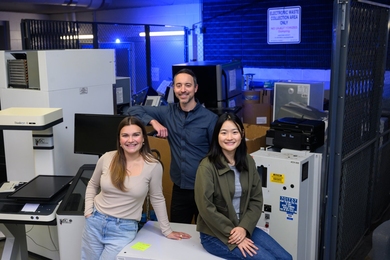
SERC Scholars from around the MIT community examine the electronic hardware waste life cycle and climate justice.
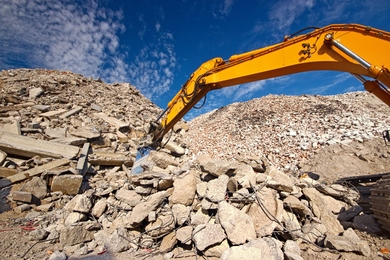
A better understanding of construction industry stakeholders’ motivations can lead to greater adoption of circular practices.

MIT chemical engineers designed an environmentally friendly alternative to the microbeads used in some health and beauty products.

MIT chemical engineers have devised a way to capture methane, a potent greenhouse gas, and convert it into polymers.
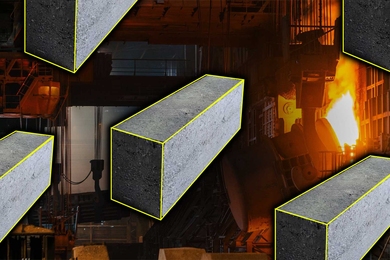
MIT spinout Electrified Thermal Solutions has developed an electrically conductive firebrick that stores heat at high enough temperatures to power industrial processes.
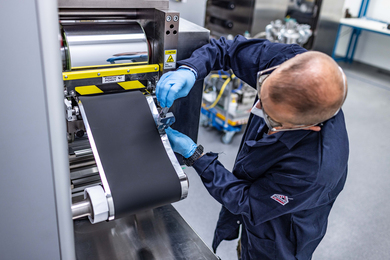
The startup Alsym Energy, co-founded by Professor Kripa Varanasi, is hoping its batteries can link renewables with the industrial sector and beyond.
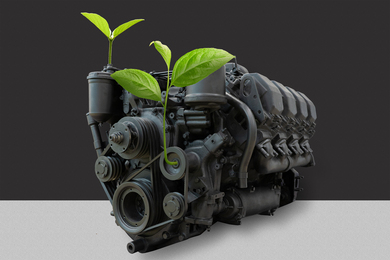
The MIT spinout Emvolon is placing its repurposed engines next to methane sources, to generate greener methanol and other chemicals.