School of Science announces 2022 Infinite Expansion Awards
Eight postdocs and research scientists within the School of Science honored for contributions to the Institute.
Eight postdocs and research scientists within the School of Science honored for contributions to the Institute.
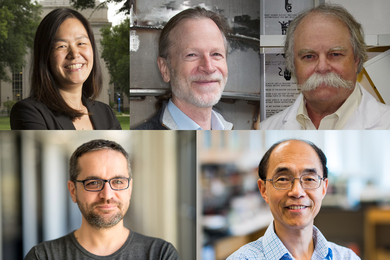
Dincă, Feng, Hunter, Shoemaker, and Wang are recognized for their efforts to advance science.
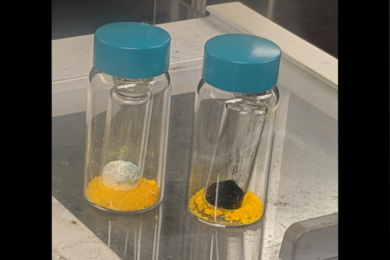
Discovery allows scientists to study crucial intermediate in battery development.

Tiny Tides is an automated fast-flow instrument that can synthesize peptide-nucleic acids in a single shot.
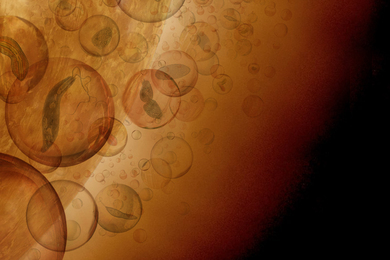
A new study shows it’s theoretically possible. The hypothesis could be tested soon with proposed Venus-bound missions.

SENSE.nano symposium highlights the importance of sensing technologies in medical studies.
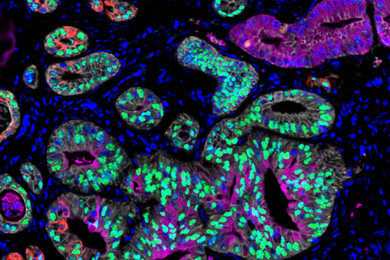
Study results also show that pancreatic tumor cells can be forced into a more susceptible state by changing their environment.
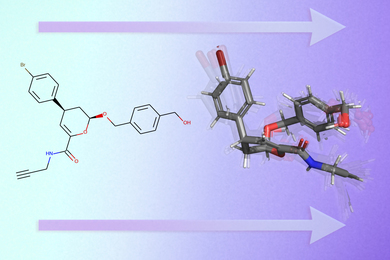
A deep learning model rapidly predicts the 3D shapes of drug-like molecules, which could accelerate the process of discovering new medicines.
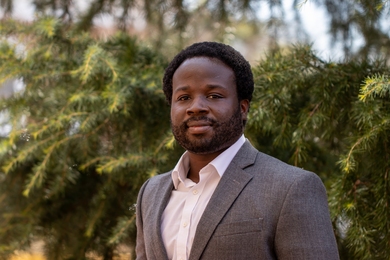
MIT visiting scholar is motivated by foundational science at the edges of the periodic table.
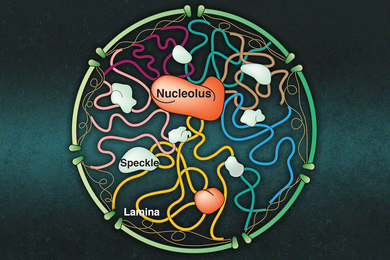
A new study finds the clusters form small, stable droplets and may give the genome a gel-like structure.
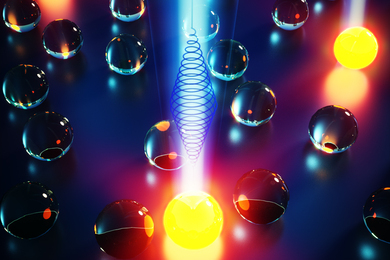
New approach solves a persistent problem of intermittency that has hindered use of the tiny light emitters for biological imaging or quantum photonics.
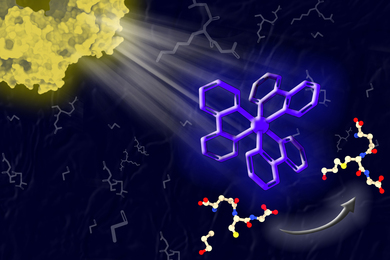
The new molecule can improve the yield of reactions for generating pharmaceuticals and other useful compounds.
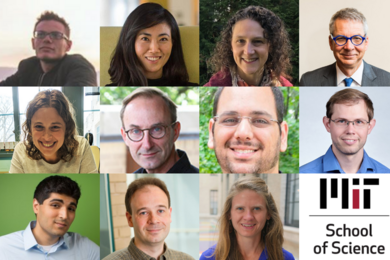
Those selected for these positions receive additional support to pursue their research and develop their careers.

Awards support research to improve the efficiency, scalability, and adoption of clean energy technologies.
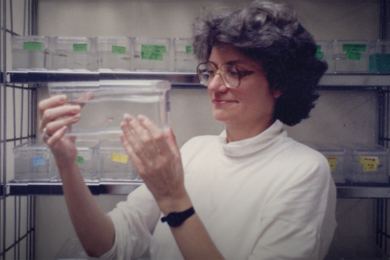
Film examines the history and international impact of the 1999 Study on the Status of Women Faculty in Science at MIT, through interviews with Nancy Hopkins and other leading scientists.