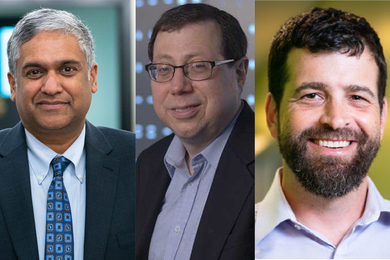
Three MIT faculty elected 2020 ACM Fellows
Association for Computing Machinery honors Anantha Chandrakasan, Alan Edelman, and Samuel Madden for work that underpins contemporary computing.
Association for Computing Machinery honors Anantha Chandrakasan, Alan Edelman, and Samuel Madden for work that underpins contemporary computing.
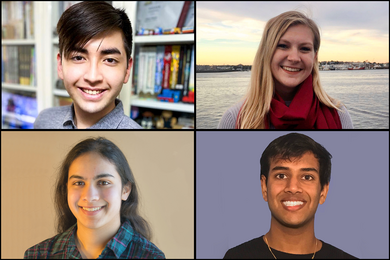
In two years, the MIT Quest for Intelligence has allowed hundreds of students to explore AI in its many applications.
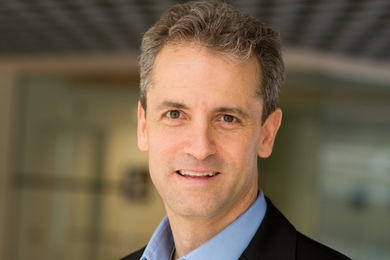
Brain and cognitive sciences professor will lead the Institute’s interdisciplinary initiative to advance research in natural and artificial intelligence.
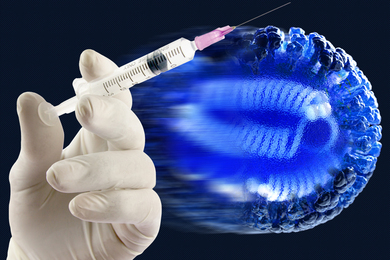
Using this computational system, researchers can identify viral protein sequences that could make better vaccine targets.
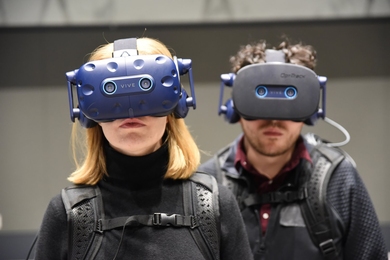
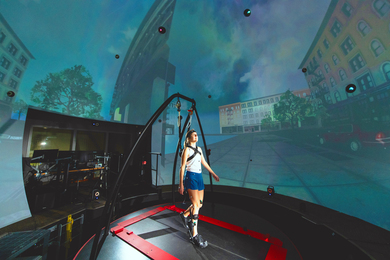
Facility within MIT.nano offers equipment and capabilities for visualizing data, creating immersive environments.
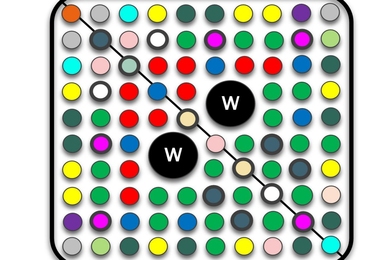
Researchers show that deep reinforcement learning can be used to design more efficient nuclear reactors.
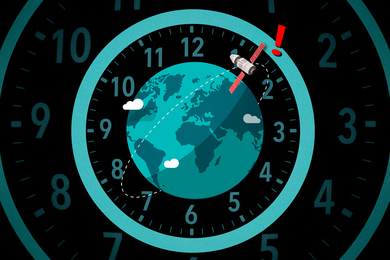
A new deep-learning algorithm could provide advanced notice when systems — from satellites to data centers — are falling out of whack.
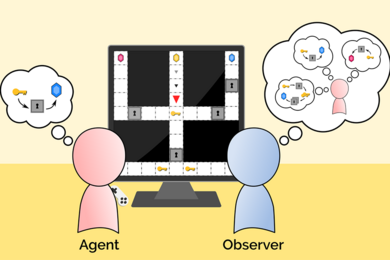
A new algorithm capable of inferring goals and plans could help machines better adapt to the imperfect nature of human planning.
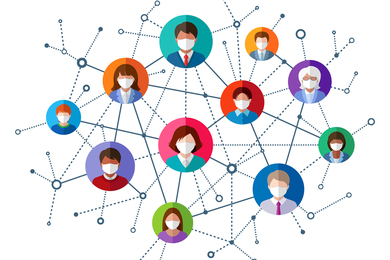
A key finding: Early reopening last spring led to a dramatic drop in “quarantine strength” in southern and west-central U.S. states.
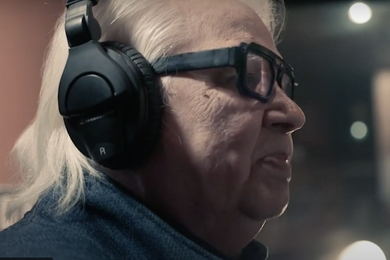
A week of workshops, lab visits, and pairings matched Indigenous delegates with relevant labs and researchers across MIT.
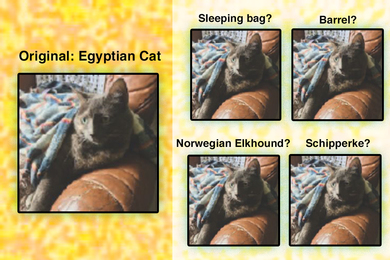
Adding a module that mimics part of the brain can prevent common errors made by computer vision models.
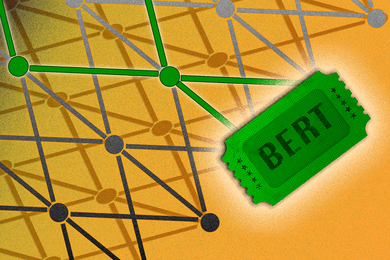
A new approach could lower computing costs and increase accessibility to state-of-the-art natural language processing.
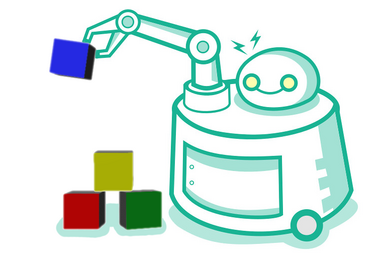
What's SSUP? The Sample, Simulate, Update cognitive model developed by MIT researchers learns to use tools like humans do.
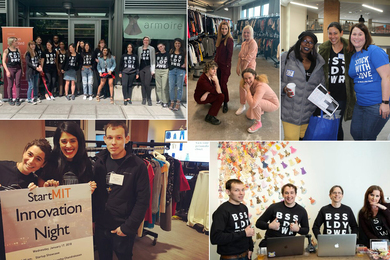
The clothing rental service Armoire helps customers sustainably maintain a fresh wardrobe.
Will focus on responding to disasters and humanitarian crises, defending against biothreats, addressing climate change, and improving human health and performance.