
A new chapter for MIT Reads
A new focus on fiction and memoir aims to help the MIT community celebrate the power of storytelling and strengthen social connection.
A new focus on fiction and memoir aims to help the MIT community celebrate the power of storytelling and strengthen social connection.
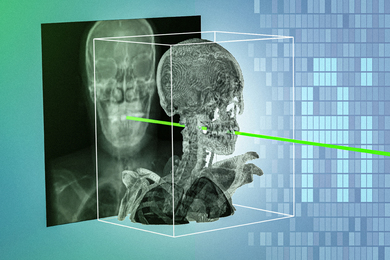
This patient-specific method, called xvr, helps doctors use X-rays for surgical navigation in fields such as orthopedics and neurosurgery.

Naoki Egami has become a standout in political methodology, helping refine tools that give scholars durable results.

The “HardFlow” algorithm could help generative AI models produce high-quality outputs that obey strict requirements when “pretty close” doesn’t cut it.

Atlas Building Composites is commercializing MIT research to turn plastic waste into parts for buildings and other infrastructure.
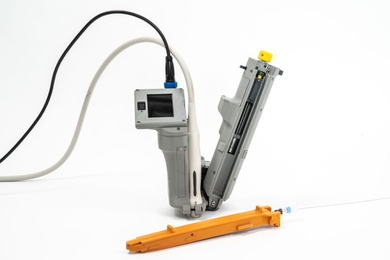
The handheld catheterization device AI-GUIDE, created by Lincoln Laboratory and Massachusetts General Hospital, promises improved health outcomes for injured service members and civilians.
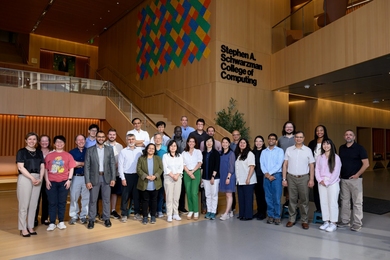
A weeklong summer workshop brought higher education faculty to campus to explore how AI and machine learning materials can be adapted for their classrooms.

MIT affiliates engage with the MIT-IBM Computing Research Lab to bring rigorous theory to production systems.

A new method, called CW-Net, translates the reasoning process of an autonomous vehicle’s AI system into understandable concepts that explain its behavior.

The senior lecturer, already director of the degree program, will now oversee all aspects of the center’s activities and operations.

The PhD student works to give young people an active role in shaping digital technologies that can support their own well-being.

The Institute welcomes its first cohort of QMIT Fellows this fall to advance interdisciplinary quantum research.

With millions of users across the world, Julia has been used to conduct cutting-edge research and to design new drugs, jet engines, heat pumps, and more.
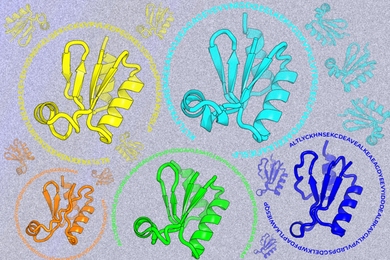
A new machine-learning framework aims to improve the success rate of computational protein design while moving away from results that reproduce sequences found in nature.

The “CrysVCD” tool developed at MIT could cut the huge amounts of time and money spent on screening out chemically unstable designs.