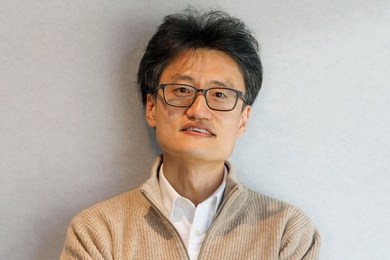
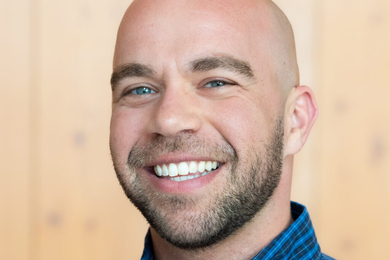
Jinhua Zhao named head of the Department of Urban Studies and Planning
An expert in behavioral science and transportation, Zhao combines these studies with AI and public policy to address some of the most urgent challenges facing cities.
An expert in behavioral science and transportation, Zhao combines these studies with AI and public policy to address some of the most urgent challenges facing cities.
MIT researchers provide a major upgrade to the nearly century-old idea of random utility models.
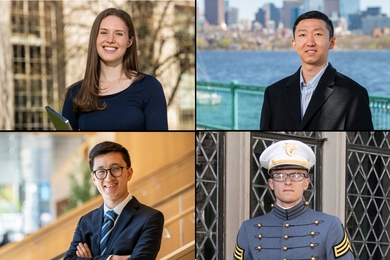
The fellowships in applied sciences, engineering, and mathematics recognize doctoral students who are pursuing solutions to the most pressing challenges in science and technology.
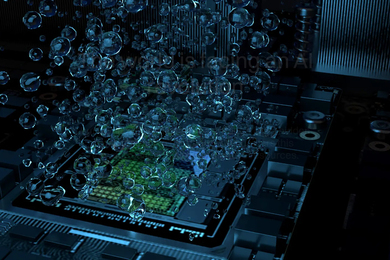
Founded by two researchers from MIT, Ferveret reduces the amount of energy and water required to cool the chips that power AI.

A Media Lab study shows that, much like how GPS has weakened our navigation skills, AI can make us worse at detecting fake news.
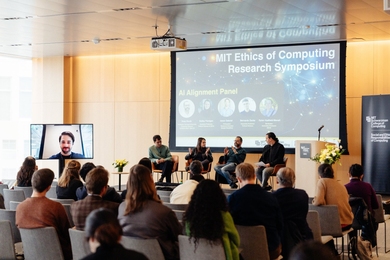
The MIT Ethics of Computing Research Symposium brought together experts and researchers working at the heart of ethical and social impact in technology.
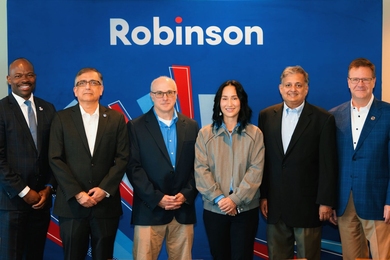
MIT RAISE and Georgia State University announce an initiative to connect universities, community colleges, industry, and government to expand industry-aligned AI training and career pathways.
IAIFI enters its second phase with increased funding, broader ambitions, and a growing community at the frontier of AI and fundamental physics.
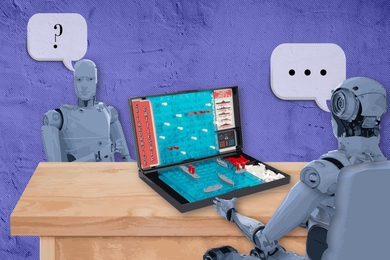
MIT researchers use the classic game as a test bed for AI agents, finding a small AI model can outperform the biggest ones at 1 percent of the cost.
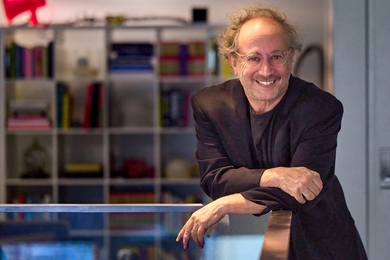
The George Peabody Medal is the highest honor bestowed by the Peabody Institute of the Johns Hopkins University.

The new ChartNet training dataset could improve the accuracy of vision-language models that help analyze business trends or interpret scientific figures.
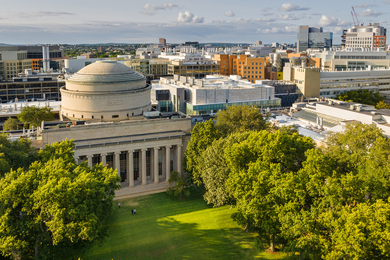
With $25 million investment from the Commonwealth of Massachusetts, MIT to build a new shared-use facility to serve as a statewide quantum toolbox.
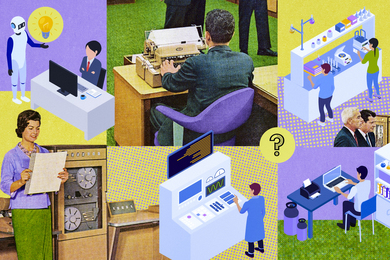
A new study of the postwar U.S. shows which kinds of workers historically filled new tech-enabled jobs.
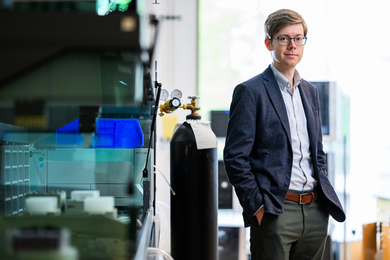
Connor Coley works at the interface of chemistry and machine learning, to discover and design new drug compounds.
MIT faculty member in electrical engineering and computer science to focus on innovation in engineering education and new pedagogical approaches.